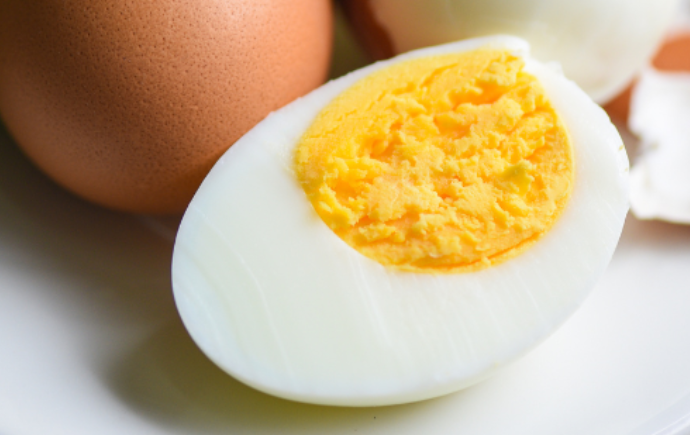
Hard-boiled eggs are far more than a simple, affordable source of protein. They are practical, nourishing, and remarkably adaptable in everyday cooking. From breakfast plates to picnic baskets, they appear in countless meals without much attention given to their background or hidden qualities. Yet this familiar kitchen staple carries a surprising range of benefits and fascinating details that often go unnoticed.
Below are 11 interesting facts about hard-boiled eggs that highlight why they remain a favorite in households around the world.
Fun Facts About Hard-Boiled Eggs
Many people eat hard-boiled eggs regularly without considering what makes them unique. Beneath their modest shell lies a rich nutritional profile, a long culinary history, and impressive versatility. Let’s explore some lesser-known insights about this timeless food.
Fact 1: Hard-Boiled Eggs Are a U.S. Favorite
According to research cited by the food blog Pantry & Larder, hard-boiled eggs rank among the most popular ways Americans prepare eggs. In fact, residents in 30 out of 50 states reportedly selected hard-boiled eggs over scrambled, fried, or poached varieties. Their simplicity and convenience make them a preferred option across the country.
Fact 2: They Offer Complete, High-Quality Protein
Protein plays a central role in muscle repair, immune function, and overall well-being. One large egg provides approximately 6.3 grams of protein and contains all nine essential amino acids. This makes it a complete protein source. Whether eaten before a workout, after exercise, or as a quick breakfast, hard-boiled eggs deliver sustained energy and satiety.
Fact 3: Eggs May Support Heart Health
Eggs were once viewed cautiously due to cholesterol concerns. However, a 2018 study suggested that moderate egg consumption may not increase the risk of heart disease for most individuals. Eggs contain nutrients that can help raise HDL cholesterol, commonly referred to as “good” cholesterol, while supporting balanced cardiovascular function when part of a varied diet.
Fact 4: Boiling Helps Preserve Nutritional Value
The way eggs are prepared influences their nutritional impact. High-temperature frying may contribute to cholesterol oxidation. Boiling uses lower heat and avoids added oils, helping maintain the egg’s natural composition. For this reason, hard-boiled eggs are often considered a wholesome preparation method.
Fact 5: Peeling Techniques Can Make a Big Difference
Peeling hard-boiled eggs can sometimes feel frustrating when shells cling tightly. Fortunately, there are many helpful methods. Peeling under running water, gently rolling the egg on a countertop before removing the shell, or starting at the wider end where an air pocket forms can make the process smoother.
Fact 6: Freshness Affects How Easily Eggs Peel
Very fresh eggs tend to be more difficult to peel because the egg white adheres closely to the inner membrane. As eggs age slightly, the pH level changes, allowing the white to separate more easily from the shell. Letting eggs rest in the refrigerator for one to two weeks before boiling can improve peelability.
Fact 7: Hard-Boiled Eggs Have a Shorter Shelf Life
Raw eggs typically remain safe in the refrigerator for three to five weeks. Once cooked, hard-boiled eggs should be consumed within about seven days when stored properly. Keeping them in their shells until ready to eat helps maintain freshness and reduce exposure to odors.
Fact 8: They Have Ancient Origins
People have been eating boiled eggs for thousands of years. Historical evidence suggests that eggs were consumed in boiled form as early as 5000 BC. Across many cultures, they have served as simple meals, ceremonial foods, and decorative elements in traditional dishes.
Fact 9: They Are Incredibly Versatile
Hard-boiled eggs are foundational in numerous classic recipes. From deviled eggs and Cobb salads to egg salad sandwiches and grain bowls, they adapt easily to many cuisines. Their firm texture allows them to be sliced, diced, halved, or mashed depending on the dish.
Fact 10: Flavor Can Be Enhanced During Cooking
Hard-boiled eggs do not need to remain plain. Adding herbs, peppercorns, bay leaves, or a splash of vinegar to the cooking water can subtly influence taste. After peeling, seasoning with paprika, fresh herbs, or a sprinkle of sea salt can elevate their flavor profile.
Fact 11: They Inspire Creative Recipes
Beyond serving them whole, hard-boiled eggs can be stuffed with savory fillings, blended into spreads, or layered into salads and sandwiches. They pair well with ingredients such as avocado, yogurt, mustard, or fresh vegetables. Their adaptability makes them a reliable component in balanced meals.
The Bottom Line
Hard-boiled eggs combine nutritional value, culinary flexibility, and a long-standing history in global cuisine. Their protein content, heart-conscious preparation, and creative possibilities make them more than a simple snack.
The next time you prepare or enjoy a hard-boiled egg, you may appreciate it not only for its taste but also for the many fascinating qualities that have helped it remain a true kitchen classic for generations.