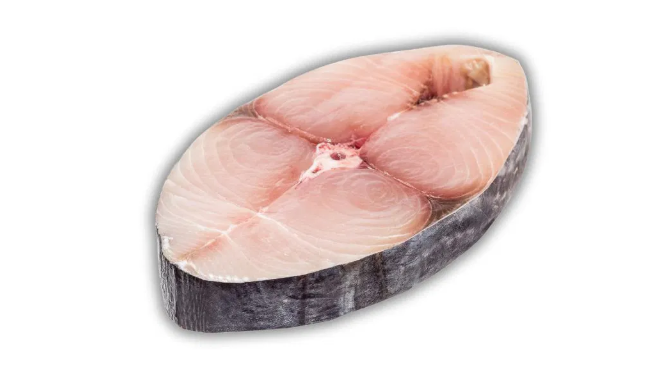
Fish can be an excellent part of a healthy diet, providing important nutrients like omega-3 fatty acids which can lower your risk for diseases like cancer, Alzheimer’s, cardiovascular disease, and dementia, age-related macular degeneration, and rheumatoid arthritis, among others. However, there are certain fish you should never eat. Unfortunately, because of human industrial activity like coal-fired electricity generation, smelting, and the incineration of waste, large amounts of mercury are ending up in our waterways, and subsequently, the fish that swim in them. As this mercury gets into the marine food chain, it “bioaccumulates.”
This means that when smaller fish get eaten by gradually larger fish, the concentration of mercury at each level becomes greater. Consuming too much mercury can be not safe to your health, and cause mercury poisoning. For this reason, the US Food and Drug Administration (FDA) and the US Environmental Protection Agency (EPA) have issued guidelines regarding how much mercury is safe for humans to ingest, and the non-profit Environmental Defense Fund (EDF), provides suggestions for which fish you shouldn’t eat.
1. Tilapia
Did you know that in some regards, eating tilapia is worse than eating bacon? In fact, the shift to eating more farmed fish like tilapia is leading to highly inflammatory diets, according to a 2008 study published in the Journal of the American Dietetic Association.
Wake Forest University School of Medicine researchers say tilapia is one of the most widely consumed fish in America. The problem with that? It contains very low levels of beneficial omega-3 fatty acids and, perhaps worse, very high levels of inflammatory omega-6 fatty acids.
Sustaining high levels of inflammation in the body can worsen symptoms of autoimmune disorders and may be linked to chronic conditions like heart disease, cancer and diabetes.
If you must eat this fish, avoid tilapia from China, where farming practices are particularly worrisome. Better sources are the U.S., Canada, the Netherlands, Ecuador and Peru.
Of course, wild-caught tilapia is preferable to farmed fish but is very hard to find.
1.1 Atlantic Cod
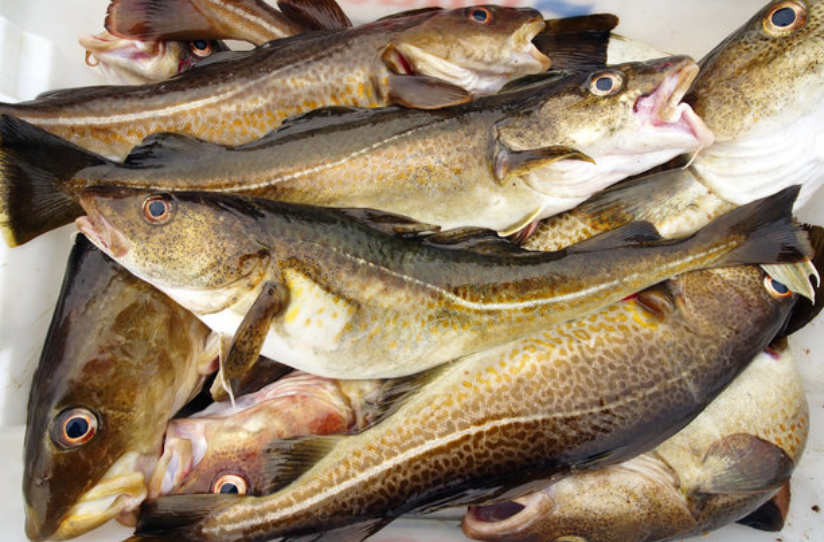
The issue with Atlantic cod is more about the environment and fish populations than human health. This species has been heavily fished for over a thousand years, and by the late 1990s, the fishery collapsed. While fishing for Atlantic cod has significantly decreased since then, the population has had difficulty recovering. Experts agree that the collapse of the fishery has caused lasting changes to the North Atlantic food web, and the species is now classified as vulnerable to extinction.
2. Atlantic Flatfish (halibut, flounder, and sole)
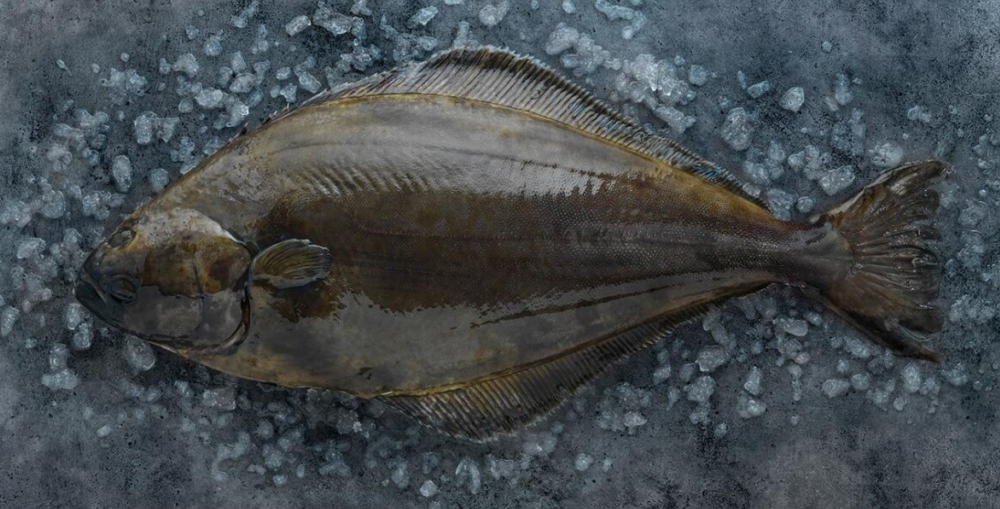
This is yet another example of overfishing and waste. Commercial fisheries produce what’s known as “wasted bycatch,” which occurs when fish or other marine species are unintentionally caught while targeting different species. Every year, U.S. fisheries discard approximately 2 billion pounds of bycatch, which is the equivalent of half a billion meals! The California gillnet fishery, which focuses on halibut, has been singled out as one of the worst offenders. If you’ve eaten halibut in the U.S., there’s a good chance it came from this fishery.
3. Caviar
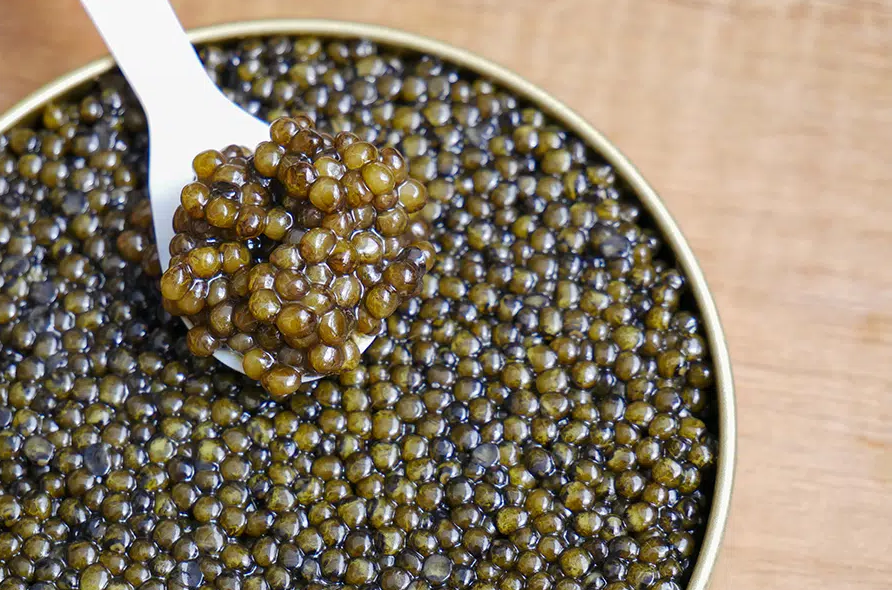
Caviar comes from the eggs of the Beluga Sturgeon, a centuries-old fish that can live for up to one hundred years. These eggs are in high demand and can fetch thousands of dollars per pound. As a result, the Beluga Sturgeon is now at great risk of extinction. The same threat applies to many other sturgeon species as well.
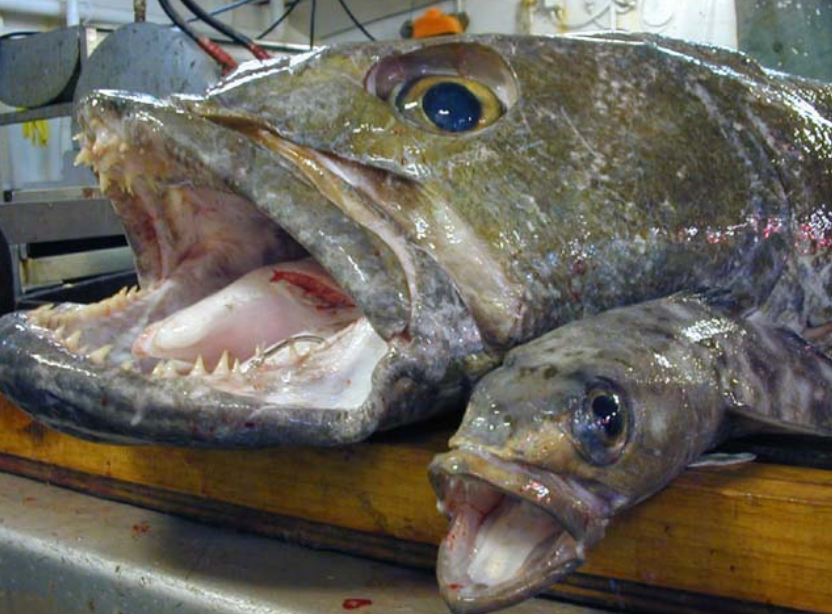
4. Chilean Bass
Its high mercury content poses a health risk to humans
5. Eel
Eels are slow to mature and have been overfished in many parts of the world, causing some populations to collapse. This is problematic as eels play an important role in spreading mussel populations, which act as natural water filters . In addition, eels absorb and store harmful chemicals and pollutants very easily. This is such a problem that in some areas residents are advised to eat eel no more than once per year.
6. Imported Basa, Swai, Tra, Striped Catfish
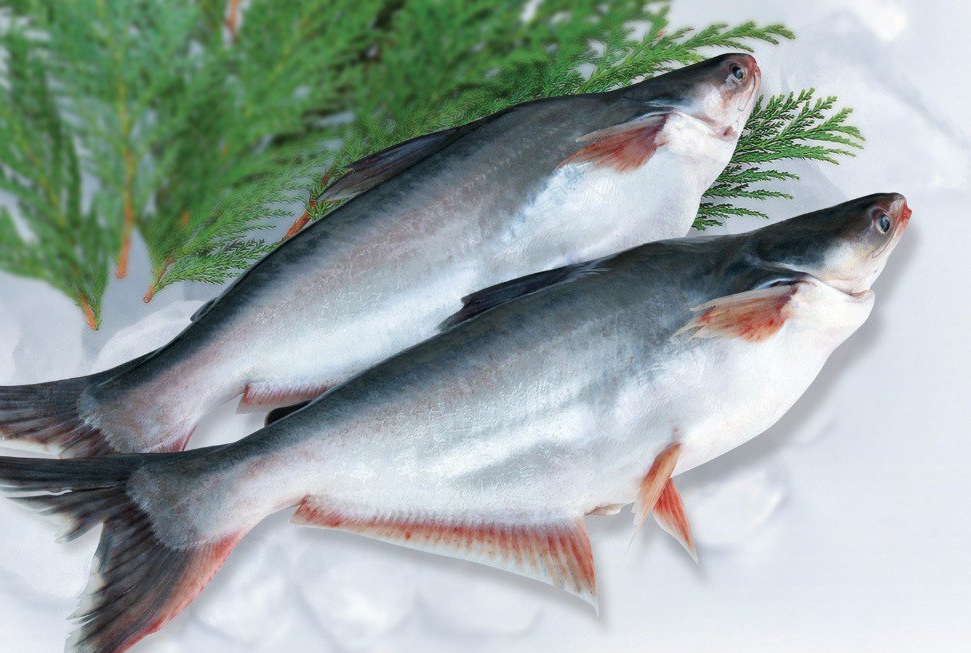
These fish, in some cases, are simply labeled “catfish”, and should be avoided. According to a 2016 study, seventy to eighty percent of these fish were contaminated by Vibrio Bacteria, which is what causes most cases of shellfish poisoning
7. Imported Farmed Shrimp
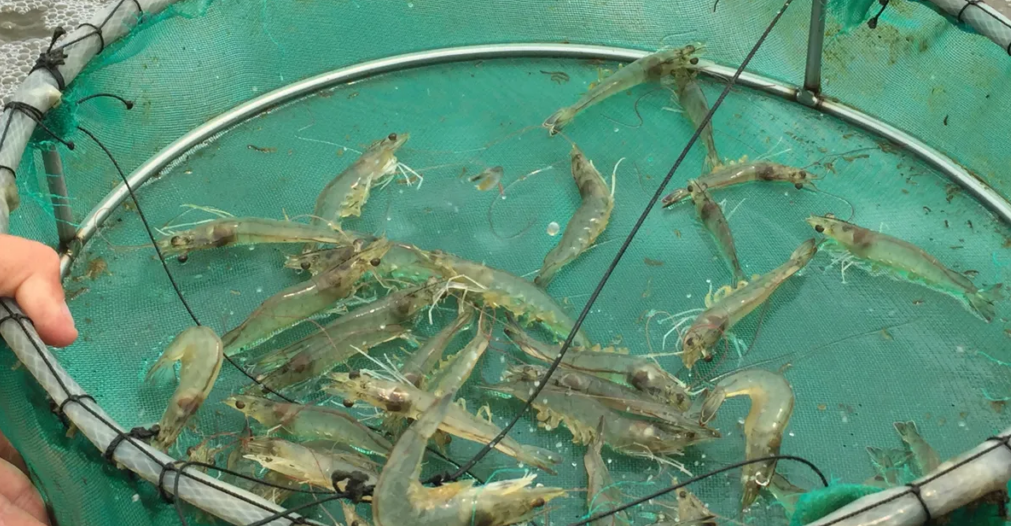
There are various pesticides that are used globally in shrimp production. All but one of them are banned in the United States. On top of that, these shrimps have often been treated with large quantities of antibiotics, and so any time you handle these raw shrimp you run the risk of being infected with antibiotic-resistant bacteria
8. Imported King Crab
Around three-quarters of all crab sold in the United States is imported from Russia, where unsustainable fishing practices are very common. Technically, the only crab that was caught in Alaska can be called “Alaskan King Crab.” However, mislabelling is incredibly common, so you should know where your crab is coming from. If it says “imported” and “Alaskan” on the label, something is amiss and you should stay away.
9. Orange Roughy
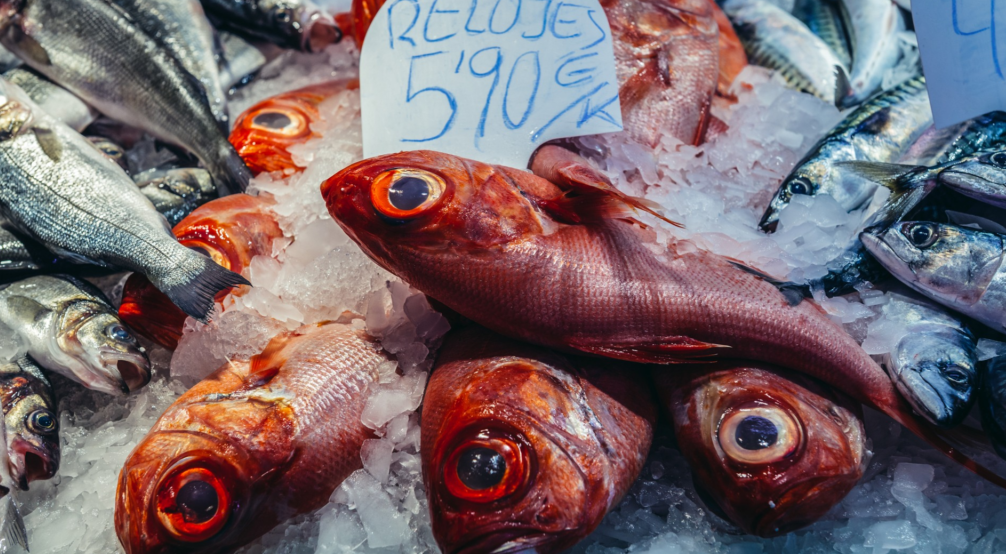
These fish can live for many decades and don’t typically reach se-xu-al maturity until they’re at least twenty years old. They are another species that have been overfished, but due to their very slow reproduction cycles, they have an extremely difficult time recovering. Orange Roughy is also known to have high levels of mercury.
10. Shark
Since sharks have very high levels of mercury. They are also slow to mature and reproduce, and thus overfishing has depleted their populations as well.
11. Atlantic Bluefin Tuna
Bluefin tuna are now considered to be highly vulnerable to extinction. They are also large predatory fish and thus contain high levels of mercury.
12. Swordfish
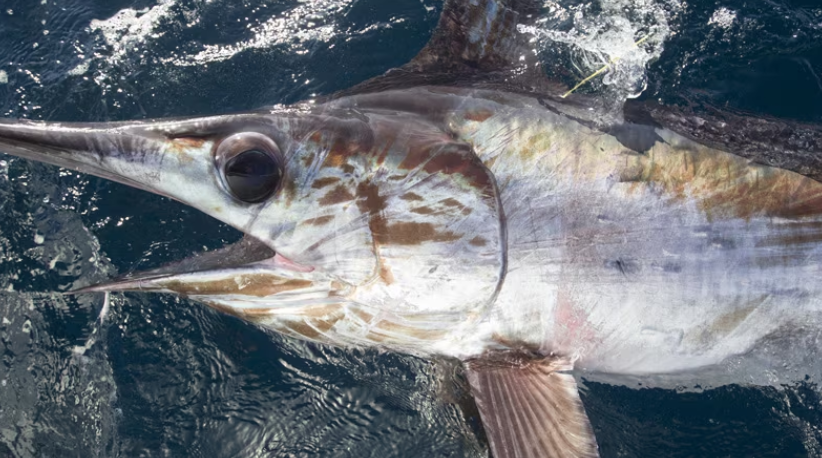
Another predatory fish, mercury is the main concern here. In reality, the EDF has suggested that women and children avoid swordfish altogether and men consume it no more than once per month.
13. King Mackerel
Both King Mackerel and Spanish Mackerel have high levels of mercury and should be avoided, especially by women and children.
14. Grouper
Grouper has moderately high mercury levels and is vulnerable to overfishing [7]. It is also often the target for seafood fraud. The “grouper” that is for sale is may actually be a cheaper form of fish that is being mislabeled. One study found that up to 87% of seafood like grouper, cod, and snapper may be mislabeled
A Note on The Role of Selenium in Mercury Toxicity
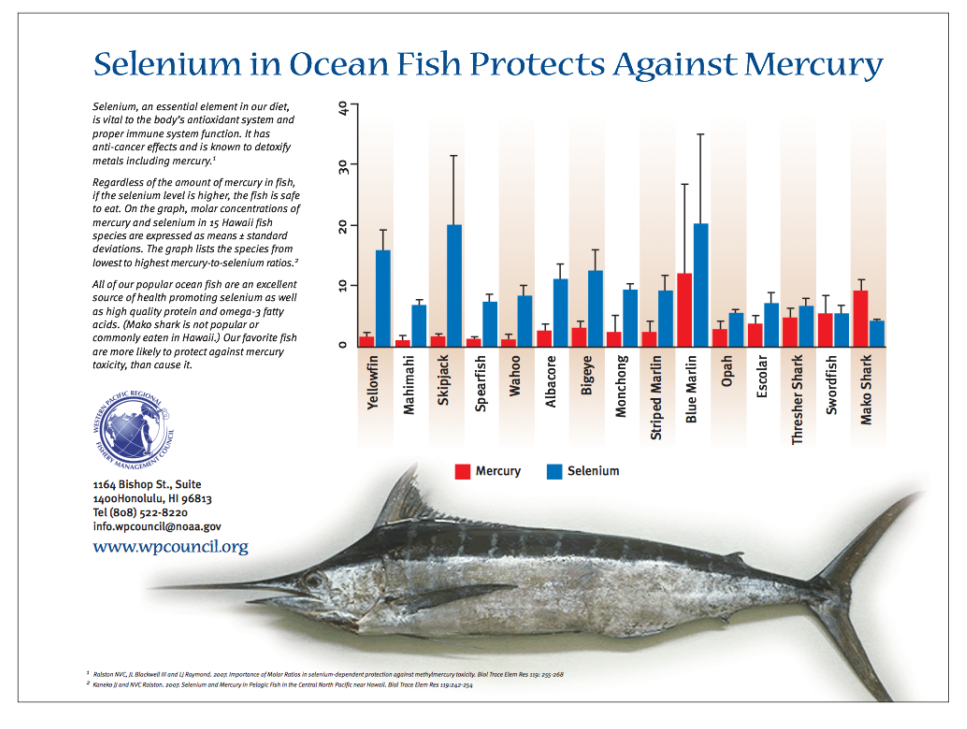
If you’re a fan of fish but concerned about mercury toxicity, there’s some good news – many commonly consumed fish are rich in selenium, which may help prevent the absorption of excess mercury. However, there’s a catch. This doesn’t mean you can indulge in as many high-mercury fish as you like. That said, if you do choose to eat fish with higher mercury content occasionally, consuming enough selenium alongside it might help reduce potential negative effects.
The main takeaway is this: If you’re eating fish high in selenium and low to moderately high in mercury, the overall risk is lower. On the other hand, if you’re consuming fish that’s high in mercury but low in selenium (like shark), it’s best to avoid it or eat it very rarely.
Fish To Eat More Of
This does not mean you have to give up fish altogether, but it highlights the importance of reading labels and knowing where your fish is coming from. Wild-caught Alaskan salmon, Pacific Sardines, and Atlantic mackerel are all high in omega-3s, as well as several other nutrients, and have less of a negative impact on the environment. Other good choices include Albacore tuna that was caught in the US or Canada, Alaska Cod, Arctic Char, Rainbow Trout, among others. The EDF Seafood Selector provides a comprehensive list of the best seafood and fish to eat, including where it should come from and how it should be produced.