Histamine intolerance is often misunderstood and frequently overlooked. It isn’t an allergy in the traditional sense, but rather a condition where your body struggles to break down histamine properly. Because histamine plays important roles in digestion, immunity, and the nervous system, an overload can lead to a wide range of uncomfortable symptoms. Many people experience these symptoms for years without knowing the cause.
Below are 18 common signs of histamine intolerance and the key factors that may cause it.
1. Headaches or Migraines
Histamine can dilate blood vessels, triggering intense headaches or migraines.
2. Nasal Congestion or Runny Nose
Symptoms resemble seasonal allergies but often occur without a clear allergen.
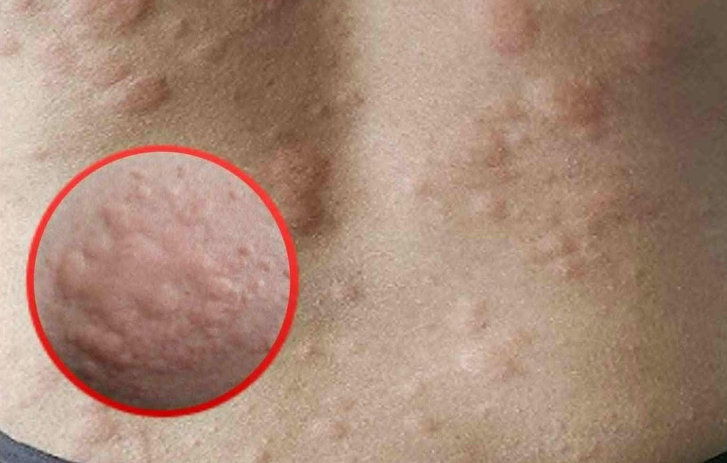
3. Hives, Itching, or Skin Irritation
Red, itchy patches may appear suddenly, especially after meals.
4. Facial Flushing
The face becomes warm and turns red unexpectedly.
5. Digestive Issues
Bloating, abdominal pain, diarrhea, gas, and nausea often occur after eating high-histamine foods.
6. Rapid Heartbeat or Palpitations
Histamine stimulates the cardiovascular system, which can cause a racing heart.
7. Dizziness or Lightheadedness
This can appear after eating or during sudden histamine spikes.
8. Chronic Fatigue
Histamine overload can exhaust the body, leading to persistent tiredness.
9. Low Blood Pressure
Histamine widens blood vessels, which can lower blood pressure.
10. Anxiety, Nervousness, or Irritability
Histamine affects neurotransmitters and can disrupt emotional balance.
11. Sleep Problems
Histamine helps maintain wakefulness, so high levels can interfere with falling asleep or staying asleep.
12. Mild Breathing Difficulties
Tightness in the chest or shortness of breath may occur.
13. Painful or Irregular Periods
Histamine interacts with estrogen, potentially worsening menstrual symptoms.
14. Joint Pain or Inflammation
Some people experience stiffness or swelling linked to histamine-driven inflammation.
15. Red, Watery, or Irritated Eyes
Similar to allergy symptoms, but caused by internal histamine imbalance.
16. Increased Stomach Acid
Histamine stimulates acid production in the stomach, which can lead to heartburn or discomfort.
17. Sensitivity to Alcohol
Especially to wine and beer, which naturally contain high levels of histamine.
18. Reactions to Common Foods
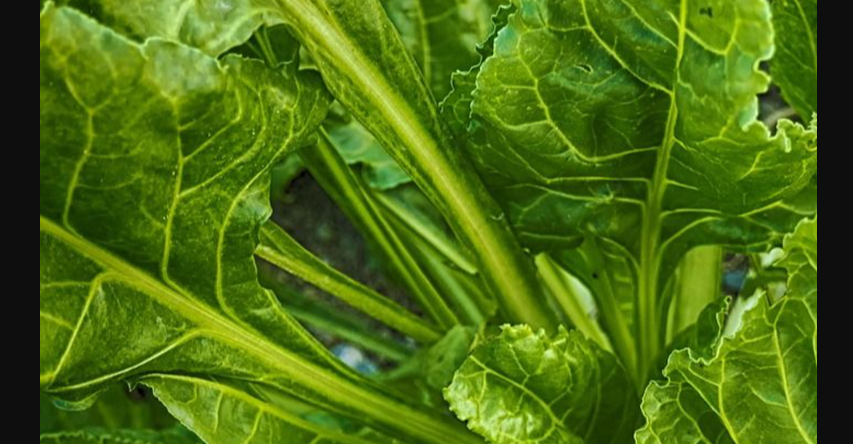
Foods like aged cheese, fermented products, tomatoes, chocolate, avocado, spinach, shellfish, and cured meats may trigger symptoms.
What Causes Histamine Intolerance?
1. DAO Enzyme Deficiency
DAO (diamine oxidase) is the main enzyme responsible for breaking down histamine. Low DAO levels are the most common cause of intolerance.
2. A Diet High in Histamine
Fermented, aged, or processed foods, as well as alcohol, can contribute to elevated histamine levels.
3. Imbalanced Gut Microbiome
Certain gut bacteria produce histamine. Dysbiosis or poor gut health can increase histamine production.
4. Intestinal Disorders
Conditions such as celiac disease, SIBO, IBS, IBD, or leaky gut can impair histamine breakdown and absorption.
5. Medications That Lower DAO
Some antidepressants, anti-inflammatories, muscle relaxants, antibiotics, and blood-pressure medications can reduce DAO activity.
6. Hormonal Imbalances
High estrogen levels can make the body more sensitive to histamine.
7. Chronic Stress
Long-term stress increases inflammation and disrupts the body’s ability to regulate histamine.
Conclusion
Histamine intolerance can feel confusing because its symptoms mimic allergies, digestive problems, hormonal issues, and anxiety disorders. But once identified, it can be effectively managed through dietary adjustments, gut-health support, and lifestyle changes.