As we move through the later stages of life, small adjustments in everyday routines can shape how we feel from morning to night. Energy levels, digestion, and immune strength may shift with age, which makes thoughtful food choices increasingly important. While no herb can replace proper medical care, certain natural ingredients have been carefully studied for their supportive qualities.
One of these is oregano, a fragrant Mediterranean herb known for adding depth to pizza and pasta. Beyond its culinary appeal, oregano contains plant compounds that may contribute to overall wellness. For seniors interested in supporting their health in natural and practical ways, oregano may deserve a steady place in the kitchen.
Here are five reasons this familiar herb can play a meaningful role in a balanced lifestyle.
1. Rich in Powerful Antioxidants
Oregano provides a concentrated source of antioxidants, including compounds such as carvacrol and thymol. Antioxidants help protect the body from oxidative stress, a natural process associated with aging and various chronic conditions.
As the years pass, the body’s ability to neutralize free radicals may decline. This makes dietary antioxidants increasingly valuable. Including foods and herbs rich in protective compounds may support cellular health and help preserve tissue function over time.
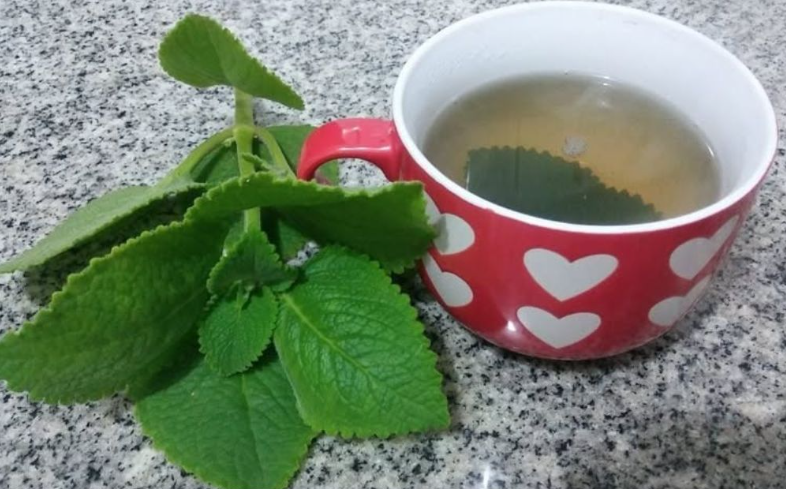
Fresh oregano leaves, dried oregano sprinkled over meals, or a warm cup of oregano tea can all contribute to antioxidant intake. These small additions fit easily into daily routines and require little preparation.
2. May Support Heart Health
Heart health becomes a priority for many adults after the age of 60. Oregano does not replace prescribed treatment, yet research suggests its plant-based nutrients may help support healthy cholesterol levels and circulation.
Oregano contains natural compounds that may assist in maintaining balanced inflammation levels, which is an important factor in cardiovascular wellness. When paired with a diet rich in vegetables, healthy fats, whole grains, and lean proteins, oregano can complement a heart-conscious approach to eating.
Anyone managing heart conditions or taking medication should consult a healthcare professional before making dietary changes. Using oregano as a seasoning in home-cooked meals is widely considered safe for most individuals.
3. Helps Support the Immune System
Immune function tends to change with age, and many seniors look for gentle ways to maintain resilience. Oregano has a long history of traditional use for its antimicrobial and immune-supporting properties.
Carvacrol, one of its active compounds, has been examined for its potential to help the body respond to certain bacteria. While oregano does not prevent illness on its own, incorporating it into regular meals may contribute to overall immune balance.
During colder months, many people enjoy sipping oregano tea as a warm and soothing beverage. It can become part of a seasonal routine that encourages comfort and nourishment.
4. May Aid Digestion
Digestive changes, including bloating, gas, or slower digestion, often become more noticeable over time. Oregano has been used in traditional practices to encourage digestive comfort.
The herb may stimulate digestive enzymes, which support the breakdown of food. It also contains mild antimicrobial properties that may help maintain balance within the gut environment.
Adding oregano to roasted vegetables, soups, tomato-based sauces, or fresh salads is a simple way to bring these supportive qualities into everyday meals. Regular use in moderate amounts may promote a sense of digestive ease.
5. Supports Healthy Inflammation Levels
Joint stiffness and mild discomfort are common concerns in older adulthood. Oregano contains naturally occurring compounds that may help maintain balanced inflammation levels within the body.
While it does not replace prescribed medications or therapies, incorporating anti-inflammatory herbs such as oregano alongside ingredients like turmeric, garlic, and olive oil may contribute to dietary patterns that support joint comfort and mobility.
Consistency tends to be more meaningful than large, occasional amounts. Including small portions of beneficial herbs on a regular basis allows their compounds to become part of your long-term nutritional pattern.
How to Add Oregano to Your Diet
You do not need large quantities to enjoy the potential benefits of oregano. Its strong aroma and flavor mean that even modest amounts can enhance a meal. Here are several practical ideas:
Sprinkle dried oregano over scrambled eggs or avocado toast in the morning.
Add fresh oregano leaves to salads or blend them into homemade salad dressings.
Prepare oregano tea by steeping the leaves in hot water and adding a slice of lemon.
Mix oregano into soups, sauces, or marinades for fish and poultry.
Combine oregano with olive oil to create a flavorful dip for whole-grain bread.
These approaches allow oregano to blend naturally into meals you already prepare, without requiring complicated recipes or specialty products.
A Final Note
Oregano is a flavorful herb with promising health-supportive properties, yet it is not a cure-all. Seniors who take blood thinners, blood sugar medications, or other prescriptions should speak with a healthcare provider before making significant dietary adjustments, particularly if considering concentrated oregano oil supplements.
Used thoughtfully as part of a balanced diet, oregano offers an accessible and affordable way to support overall wellness. The ingredients already sitting in your kitchen can contribute to a steady, nourishing lifestyle. Over time, these small choices may help you feel more supported, one meal at a time.