Our bodies often communicate through subtle signals long before a serious problem becomes obvious. Small physical changes can sometimes reflect underlying health conditions or nutritional imbalances. Many people overlook these signs because they appear mild or temporary. However, paying attention to these early clues can help prevent larger health concerns from developing later.
Understanding what your body is telling you does not require panic or self-diagnosis. Instead, it encourages awareness. Recognizing unusual symptoms and discussing them with a healthcare professional can lead to early detection of potential problems and better overall health outcomes.
Content provided here is for informational purposes only and does not replace professional medical advice. Always seek guidance from a qualified healthcare provider regarding your health concerns.
1. Red bumps on the skin
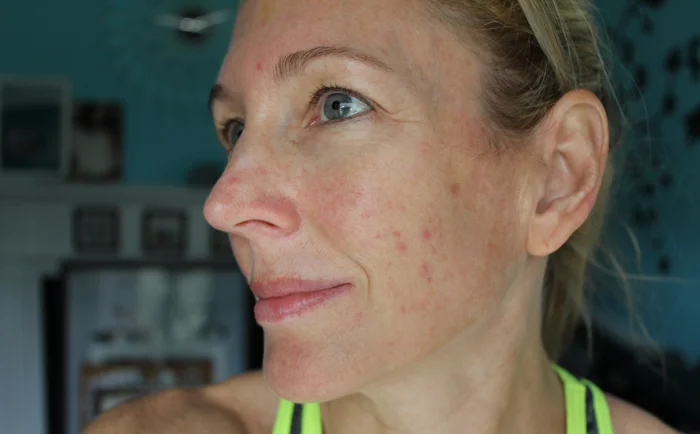
Small red bumps on the skin can appear for many different reasons. In some cases they develop due to acne, allergic reactions, or mild irritation caused by clothing, soaps, or environmental factors. Skin conditions such as shingles or keloids may also lead to similar bumps.
Most of the time these bumps are harmless and fade without medical treatment. Even so, persistent irritation, itching, or discomfort should not be ignored. A dermatologist or healthcare provider can help identify the cause and recommend appropriate care if necessary.
One common condition associated with these bumps is keratosis pilaris, often described as “chicken skin.” It appears as tiny rough spots on areas such as the upper arms, thighs, or cheeks. The bumps form when keratin—a protein naturally found in skin—builds up and blocks hair follicles.
Researchers continue studying why keratosis pilaris develops. Genetic factors appear to play a role, which explains why it sometimes runs in families. Some experts also consider the possibility that lower intake of certain nutrients, including vitamins A and C, may influence how the skin behaves.
Although keratosis pilaris does not harm overall health, it can cause cosmetic concerns for some individuals. Gentle skincare routines and moisturizing products often help improve the appearance of the skin over time.
2. Neck lines and bone health
Many people associate wrinkles with aging skin. However, certain patterns of lines around the neck may sometimes indicate deeper changes within the body. For women, hormonal changes during and after menopause can affect bone strength.
Estrogen levels decline significantly during this stage of life. Estrogen plays a protective role in maintaining bone density. As levels decrease, bones gradually lose minerals that help keep them strong.
Some researchers have observed a possible connection between pronounced neck wrinkles and lower bone density. While wrinkles alone cannot confirm bone loss, they may encourage further evaluation of bone health.
Maintaining strong bones often involves adequate intake of calcium and vitamin D. Weight-bearing exercise and routine medical screenings also contribute to bone protection. Healthcare providers can recommend bone density tests when necessary, helping detect osteoporosis or other concerns early.
3. Restless leg syndrome
Restless leg syndrome is a condition that produces uncomfortable sensations in the legs. Many people describe feelings such as tingling, crawling, or an urge to move the legs repeatedly. Symptoms often appear in the evening or during periods of rest, especially when trying to sleep.
Although the exact cause remains unclear, several factors appear to contribute to this condition. One possible link involves low iron levels in the body. Iron supports the production of dopamine, a chemical involved in muscle movement and nerve signaling.
When iron levels fall too low, nerve signals controlling leg movement may become disrupted. Increasing iron intake through foods such as leafy greens, beans, fish, and lean meats may help support healthy iron levels.
Cooking with cast-iron cookware may also increase small amounts of dietary iron. Avoiding coffee or tea during meals can help the body absorb iron more efficiently. Anyone experiencing persistent symptoms should discuss them with a healthcare provider before making significant dietary changes.
4. Muscle cramps and nutrient balance
Sudden muscle cramps can occur for many reasons, including dehydration, overexertion, or electrolyte imbalances. In some cases, frequent cramps may suggest that the body lacks sufficient calcium.
Calcium plays a vital role in many essential body functions. Muscles rely on calcium to contract and relax properly. Nerves depend on it to send signals, while the heart uses calcium to maintain a steady rhythm.
Low calcium levels can affect these processes. Symptoms sometimes include muscle cramps, tingling sensations, dry skin, or brittle nails that break easily. In more severe cases, a condition known as hypocalcemia may develop.
Hypocalcemia can result from inadequate vitamin D levels or disorders involving parathyroid hormone regulation. Because these systems work together to maintain calcium balance, disruption in one area can influence the others.
If these symptoms appear frequently, consulting a healthcare professional can help determine whether testing or nutritional adjustments are needed. Early evaluation helps prevent complications and supports overall health.
5. Hair loss and nutrient deficiencies
Hair naturally sheds as part of its normal growth cycle. However, noticeable thinning or excessive hair loss may sometimes signal nutritional deficiencies. Several nutrients contribute to healthy hair growth and follicle strength.
Iron supports oxygen transport to hair follicles. Biotin, also known as vitamin B7, helps maintain healthy hair structure. Niacin, or vitamin B3, supports circulation in the scalp. Essential fatty acids such as alpha-linolenic acid (ALA) and linoleic acid (LA) also play a role in maintaining hair health.
When the body lacks these nutrients, hair follicles may weaken, leading to thinning or slower growth. A balanced diet that includes vegetables, fruits, healthy fats, and lean proteins helps provide these essential nutrients.
If hair loss becomes persistent or severe, a healthcare professional can evaluate potential causes and recommend appropriate treatments.
Final thoughts
Small physical changes often serve as early signals that the body requires attention. While many symptoms remain harmless, staying aware of unusual patterns can support early intervention and better health outcomes.
Balanced nutrition, regular exercise, and routine medical checkups remain key elements of maintaining overall well-being. When the body sends signals through skin, hair, or muscle changes, listening carefully and seeking professional advice helps ensure long-term health and peace of mind.