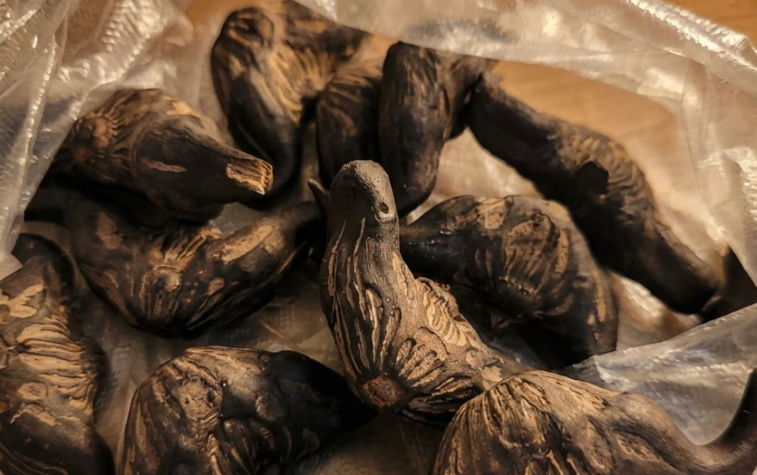
Wild forest roots have been part of human survival for centuries. In many regions, people relied on them during times of famine, natural disasters, or food shortages. Some communities also used certain roots in traditional medicine, believing they contained healing properties. These practices often developed through generations of careful observation and experience.
However, in modern times, eating wild roots without proper knowledge can carry serious risks. A root growing in the forest may appear harmless and resemble common vegetables such as yam, ginger, or taro. Despite these similarities, some wild roots contain natural toxins that can cause severe illness if consumed incorrectly—or if eaten at all.
Plants produce chemical compounds as part of their natural defense systems. These substances protect them from insects, animals, and environmental threats. In certain plants, the roots store particularly strong chemicals. Without correct identification and preparation, these compounds can irritate the body or disrupt vital organs.
Understanding the warning signs of potentially dangerous wild roots can help prevent serious health problems. Several signals suggest that a root should not be eaten.
One of the earliest warning signs appears when the root comes into contact with the skin. If touching a freshly cut root causes itching, burning, redness, or numbness on the hands, lips, or tongue, it is important to stop handling it immediately. Some plants contain microscopic crystals known as calcium oxalate. These crystals act like tiny needles that can penetrate skin and mucous membranes.
Exposure to these compounds may lead to intense irritation in the mouth or throat. Swelling of the lips, tongue, or throat may occur in some cases. Severe reactions can interfere with swallowing or breathing, making the situation potentially dangerous. If the root irritates the skin before cooking or preparation, it may produce even stronger reactions when consumed.
Another major warning sign involves uncertainty about the plant’s identity. Many edible and poisonous plants look remarkably similar. A small difference in shape, color, or texture inside the root may indicate the presence of toxins.
People who traditionally gather edible wild plants usually possess detailed knowledge passed down through generations. This knowledge often includes the correct harvesting season, the type of soil where the plant grows safely, and the precise preparation methods required to remove harmful compounds.
Without this knowledge, identifying a root correctly becomes extremely difficult. Guessing or relying on visual similarity alone can lead to serious mistakes. Consuming an unknown plant carries significant risk, especially when dealing with roots that resemble edible vegetables.
Preparation methods can also provide important clues about safety. In some traditional practices, roots require careful processing before they become edible. These steps may involve soaking the root in water for extended periods, boiling it repeatedly, or discarding the cooking water several times.
Sometimes preparation includes mixing the root with substances such as ash, salt, or lime to neutralize certain toxins. While these methods can reduce harmful compounds in specific plants, they require precision and experience. A small error during preparation may leave enough toxins in the root to cause illness.
Incomplete detoxification can lead to symptoms such as nausea, vomiting, abdominal pain, or diarrhea. In more severe cases, toxic compounds may affect the nervous system, liver, or kidneys. Many modern poisoning cases occur when individuals attempt traditional preparation techniques without fully understanding the required steps.
Taste can also provide an important warning signal. The human body contains natural defense mechanisms that detect harmful substances. Extremely bitter flavors often indicate the presence of chemical compounds that plants produce for protection.
If a wild root produces an intense bitterness, tingling sensation, or numbness on the tongue, it should not be eaten. These sensations may suggest the presence of alkaloids, glycosides, or other plant chemicals that can interfere with normal body functions.
Cooking or seasoning the root may reduce the unpleasant taste, although masking the flavor does not remove the underlying toxins. The body’s reaction often serves as a protective signal, indicating that the substance may not be safe for consumption.
Certain groups of people face additional risks when consuming unfamiliar wild foods. Even roots considered edible under specific conditions may affect individuals differently depending on their health status.
Pregnant or breastfeeding women should avoid consuming unknown wild plants due to the potential effects on both mother and child. Children and older adults may also be more sensitive to plant toxins because their bodies process chemicals differently.
Individuals living with liver disease, kidney conditions, digestive disorders, or chronic illnesses should exercise particular caution. Some plant toxins place additional stress on organs responsible for detoxification and metabolism.
People taking long-term medications may also experience unexpected reactions when combining certain plant compounds with prescription drugs. Traditional remedies rarely follow standardized dosing guidelines, making it difficult to predict how a particular root may affect different individuals.
Although wild roots hold an important place in human history, historical knowledge also includes many accounts of poisoning and illness linked to improper plant consumption. Over time, communities learned which plants were safe and which required careful preparation.
Today, access to cultivated foods and medical knowledge provides safer alternatives. Modern nutrition allows people to obtain essential nutrients without relying on unfamiliar wild plants.
When encountering a wild root in the forest, curiosity can be tempting. The idea that something natural might offer nourishment or health benefits can feel appealing. Yet safety should always remain the priority.
If there is any uncertainty about a plant’s identity or preparation, the safest choice is not to eat it. Protecting health is far more important than experimenting with unfamiliar foods.
Respect for traditional knowledge and caution when approaching wild plants can help prevent serious health risks. Nature offers many valuable resources, although understanding those resources requires experience, knowledge, and care.