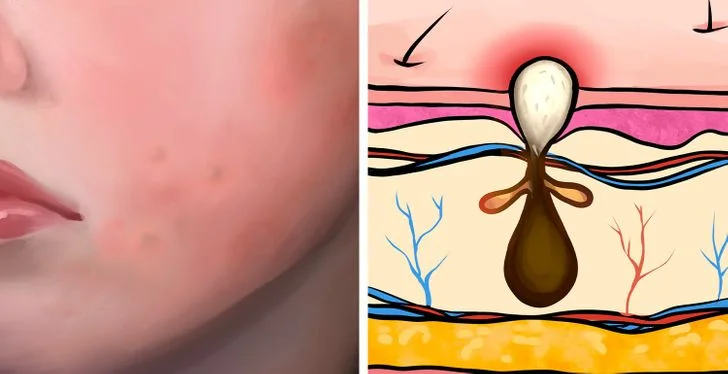
Acne is not a single condition but a spectrum of skin concerns that vary in appearance, depth, and severity. Dermatologists generally divide acne blemishes into two main categories: noninflammatory acne and inflammatory acne. This distinction is based on whether the blemishes trigger redness, swelling, and tenderness in the surrounding skin. Noninflammatory acne tends to be milder, while inflammatory acne is often more persistent, uncomfortable, and more likely to benefit from professional medical guidance.
Understanding the different types of acne is an important first step toward managing them effectively. Each form develops in a specific way, has distinct visual characteristics, and may require a tailored approach to care. Below is a detailed look at the most common acne types, their appearance, and what causes them.
Whiteheads
Whiteheads are considered a form of noninflammatory acne. They usually appear as small, flesh-toned or whitish bumps on the surface of the skin. Many have a pale or white center that may be surrounded by a faint red outline. In certain cases, a hair may be visible at the center, appearing trapped beneath the surface.
These blemishes develop when pores become clogged with a mixture of oil, dead skin cells, and debris. Because the pore remains closed at the surface, the material inside does not come into contact with air, preventing oxidation. This is why whiteheads retain their light color. They often appear on the face, especially the forehead, nose, and chin, but can also develop on the chest, shoulders, and back.
Blackheads
Blackheads are another type of noninflammatory acne, yet they are easy to distinguish from whiteheads due to their dark appearance. They show up as small, dark or black spots that may look slightly raised. The surrounding skin usually appears normal and uninflamed, while the center of the blemish looks darker.
The dark color of blackheads does not indicate trapped dirt. Instead, it is the result of oxidation. When a clogged pore remains open at the surface, the trapped oil and dead skin cells react with oxygen in the air, turning the material darker. Blackheads typically form in areas with higher oil production, such as the nose and cheeks, but they can occur anywhere pores are present.
Papules
Papules fall under the category of inflammatory acne and form beneath the surface of the skin. They appear as small, raised bumps that are pink or red in color. Unlike whiteheads and blackheads, papules do not have a visible center or opening.
The skin around papules is often tender, swollen, and irritated. These blemishes develop when bacteria become trapped in clogged pores, triggering an immune response. The body sends white blood cells to the area, leading to inflammation. Papules can feel sore to the touch and may persist longer than noninflammatory blemishes if not managed properly.
Pustules (Pimples)
Pustules, often referred to as pimples, are a well-known form of inflammatory acne. They tend to be larger and more noticeable than papules and feature a circular center filled with pus. The center usually appears white or yellow, sitting atop a red and inflamed base.
Although pustules may resemble whiteheads at first glance, the key difference lies in inflammation. These blemishes form when clogged pores become infected, causing the body to produce pus as part of its immune response. Pustules are often sensitive and can be painful, particularly if pressure is applied.
Nodules
Nodules represent a more severe form of inflammatory acne. They develop deep beneath the skin and feel hard, solid, and painful. Unlike surface-level blemishes, nodules are not easily visible at first, but they cause noticeable swelling and discomfort.
These blemishes occur when clogged pores lead to significant inflammation and damage in deeper layers of the skin. Because of their depth and intensity, nodules carry a higher risk of long-term effects such as scarring or dark marks. Professional treatment is often recommended to manage nodular acne safely and effectively.
Cysts
Cystic acne is one of the most serious forms of acne. Cysts are large, soft, and painful lumps that form deep within the skin, even deeper than nodules. They are typically red or white and filled with pus, giving them a swollen and tender appearance.
Cystic acne often develops when existing pustules become further infected. Hormonal changes, excessive oil production, and bacterial activity all play a role in their formation. Due to their severity, cysts are more likely to leave permanent scars if not treated appropriately, making early medical care especially important.
Living With Acne
Acne can affect people of all ages and backgrounds, and its impact extends beyond the skin. Understanding the type of acne you experience can help guide better care decisions and set realistic expectations for treatment.
Whether you notice occasional noninflammatory blemishes or struggle with persistent inflammatory acne, paying attention to your skin’s signals is essential. If acne becomes painful, widespread, or emotionally distressing, seeking advice from a healthcare professional can provide clarity and support.
Every skin journey is unique, and learning more about acne types is a meaningful step toward healthier, more confident skin.