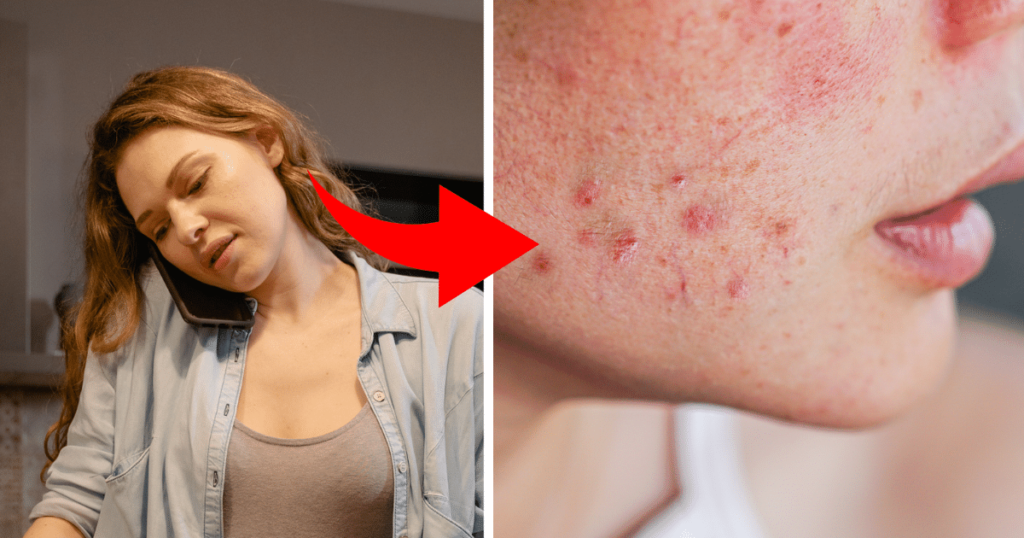
Acne can be a signal from your body that something isn’t quite right. Although acne often results from lifestyle choices and environmental factors, it can sometimes indicate underlying health issues.
Viral Strange has compiled some valuable information to help you identify the cause of acne in 8 specific body areas. Remember to consult a doctor for professional medical advice and treatment.
- On the Nose
The pores on our noses are larger than on other parts of our faces, making it easier for bacteria to clog them. Additionally, the skin here is oilier and more prone to acne. Acne on the nose can be linked to stress or diet, but it usually results from poor hygiene. Incorporating Tea Tree Oil or products with sodium sulfacetamide and sulfur into your skincare routine can help prevent bacterial growth.
- On the Forehead
Excess oil production is a common cause of forehead acne. Aside from medications, stress, or hormones, oily hair can transfer oil to the forehead, clogging pores. Incorrect cleansers, waxes, or gels might also contribute. Choose the right cleanser for this area and avoid oily hair products.
- Around the Mouth
Touching the area around your mouth can lead to acne, but it can also be due to hormones or genetics. Musical instruments and cosmetics are other potential culprits. Use a gentle cleanser and non-comedogenic, oil-free products to keep your pores clear. If acne in this area persists, see a dermatologist.
- Jaw and Neck
Acne on the jaw and neck is often caused by hormonal imbalances, particularly increased androgens. It may occur during menstrual cycles or when taking birth control. Using a non-comedogenic cleanser and appropriate acne treatments can help manage this.
- On the Cheeks
Touching your face and dirty pillowcases are common causes of cheek acne. Additionally, using a phone that touches your cheeks can transfer bacteria. Hormones can also play a role. To prevent cheek acne, wipe your phone, wash your hands frequently, and change your sheets regularly.
- On Your Back
Back acne can result from allergies to creams and other cosmetics or from sweat mixing with toxins and clogging pores. Ensure proper hygiene by washing your back thoroughly. Dirty clothes and bedding can also contribute to back acne, so keep them clean. Stress can be another factor.
- On the Legs
Acne on the legs is often due to physical irritation from clothing or equipment, leading to bacterial buildup. Differentiate between acne and conditions like folliculitis, eczema, or keratosis pilaris. See a doctor if the acne is itchy and painful.
- On Your Chest
The sensitive skin on the chest can easily get irritated by various factors. Acne may result from detergents used to wash clothes or wearing tight clothing. Opt for sulfate and fragrance-free hypoallergenic products. Also, some body lotions contain pore-clogging ingredients, so choose oil-free, non-comedogenic products.
Do you have acne in any of these areas? Was this article helpful in understanding why it appears? Share your thoughts in the comment section below.