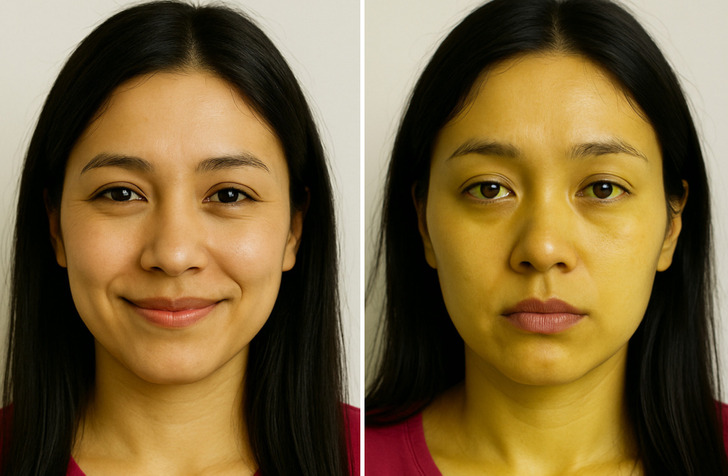
Parasites often feel like a distant concern, something associated with faraway travel or extreme conditions. Yet the reality is more ordinary. These organisms can appear in daily life, sometimes without leaving any obvious trace of how they arrived. Their effects on the body tend to be subtle, gradual, and easily confused with common health complaints. This makes their presence difficult to recognize without careful attention. While online information can quickly create worry, the goal here is clarity rather than fear.
This guide explores lesser-known signals that may raise questions, explains what may be happening inside the body, and helps you understand when professional guidance becomes important. The focus is awareness, not assumption.
This content is provided for informational purposes only and does not replace medical advice. Always consult a qualified healthcare professional regarding health concerns or symptoms.
1. Teeth Grinding During Sleep
Grinding teeth at night, also known as bruxism, is commonly linked to stress or jaw alignment issues. However, some healthcare practitioners have observed an association between bruxism and parasitic infections, particularly in children. While research is ongoing, patterns have been noted when teeth grinding appears alongside digestive or immune-related symptoms.
Why this may occur:
One theory suggests that intestinal parasites may influence the nervous system through the vagus nerve, which connects the gut and the brain. This interaction may trigger stress responses during sleep, expressed physically through jaw movement.
2. Ongoing Digestive Discomfort Without Clear Explanation
Persistent bloating, gas, diarrhea, or constipation that remains despite dietary changes can be frustrating. These symptoms sometimes resemble irritable bowel patterns and may continue even after eliminating common triggers.
Why this may occur:
Certain parasites irritate the intestinal lining and interfere with digestion. They can disrupt the balance of beneficial gut bacteria, affecting how food is processed and nutrients are absorbed.
3. Fatigue That Persists Despite Adequate Rest
Feeling drained even after sufficient sleep can signal that something deeper is affecting the body. Long-term fatigue may develop slowly, making it easy to dismiss.
Why this may occur:
Some parasites feed on essential nutrients, reducing the body’s access to vitamins and minerals. At the same time, the immune system uses energy attempting to manage the infection. In certain cases, nutrient depletion may resemble anemia. For instance, some parasites absorb vitamin B12, which is essential for red blood cell production.
4. Weight Changes Without Lifestyle Shifts
Unexpected weight loss or gradual weight gain may occur without changes in diet or activity. These shifts often develop over time rather than suddenly.
Why this may occur:
Parasites may consume nutrients directly or interfere with hormones related to hunger, insulin, and metabolism. Inflammatory responses may also influence how the body stores or uses energy.
5. Skin Reactions Without Obvious Triggers
Itching, rashes, or eczema-like patches that appear without clear cause can be unsettling. These reactions may come and go unpredictably.
Why this may occur:
Parasitic activity can stimulate immune responses that resemble allergic reactions. Antibodies produced to address the infection may also affect the skin, even when the parasite resides in the digestive system.
6. Joint or Muscle Discomfort Without Injury
Aches in joints or muscles may arise without physical strain or known inflammatory conditions.
Why this may occur:
Some parasites migrate beyond the digestive tract, entering muscle tissue or joints. This movement can provoke localized inflammation, leading to stiffness or discomfort.
7. Changes in Mood, Focus, or Mental Clarity
Mental fog, irritability, or anxiety can appear without an obvious emotional cause. These experiences may fluctuate and feel difficult to explain.
Why this may occur:
The gut and brain communicate closely through the gut-brain axis. When parasites disrupt gut balance, they may affect neurotransmitter production, including serotonin, while also contributing to low-level inflammation that influences the nervous system.
8. Yellowing of Skin or Eyes
A yellow tint in the skin or whites of the eyes, known as jaundice, often relates to liver function. In rare cases, parasites affecting the liver or bile ducts may contribute.
Why this may occur:
Certain parasites can block bile flow, leading to a buildup of bilirubin, a pigment normally processed by the liver. When bilirubin accumulates, it becomes visible in the skin and eyes. In uncommon situations involving heavy infestation, migrating parasites may exit through areas such as the mouth or nose.
How Exposure Can Occur Closer to Home
Although international travel can increase risk, many infections occur locally. Everyday exposure may happen through:
-
Handling raw meat without thorough handwashing
-
Contact with pet waste or contaminated soil
-
Eating produce that has not been properly washed
-
Inconsistent kitchen hygiene practices
A Calm Approach to Awareness
Learning about these possibilities is not a reason for alarm. Many symptoms have multiple causes, and professional evaluation is essential for accurate diagnosis. Awareness allows informed decisions rather than unnecessary worry.
As people continue exploring ways to support overall well-being, interest in simple, practical habits continues to grow. From sleep routines to immune-supporting practices, understanding the body remains one of the most powerful tools for long-term health.