Netflix’s Return of the King: The Fall & Rise of Elvis Presley offers an intimate and revealing look at the emotional battles, creative frustrations, and renewed passion that fueled Elvis Presley’s celebrated 1968 comeback. The documentary brings forward the moments rarely seen by the public—the private doubts, quiet fears, and intense desire for artistic freedom that shaped one of the most important turning points in his career. It portrays a man wrestling with his own legacy while trying to rediscover the spark that made him a cultural icon.
By the middle of the 1960s, Elvis felt confined by a series of Hollywood productions that never matched his true abilities. Although he deeply respected performers like James Dean and Marlon Brando, he sensed his own path drifting far from the raw talent that launched his fame. The films he appeared in were commercially driven, often repetitive, and disconnected from the depth he wished to express on screen and through music. That sense of creative suffocation weighed heavily on him.
Priscilla Presley shared how movies such as Double Trouble turned him into a punchline in certain circles, something that affected him far more than many realized. The lack of meaningful roles, paired with a growing fear of returning to live audiences, pushed Elvis into a period of uncertainty. His stage fright became a significant barrier, leaving him unsure of how or even whether he could reconnect with the atmosphere of live performance. During this time, he leaned heavily on trusted friends for guidance, including Jerry Schilling. Their rare interviews featured in the documentary reveal the depth of Elvis’s doubt. He questioned not only his future in the industry but also whether the world still held space for his voice.
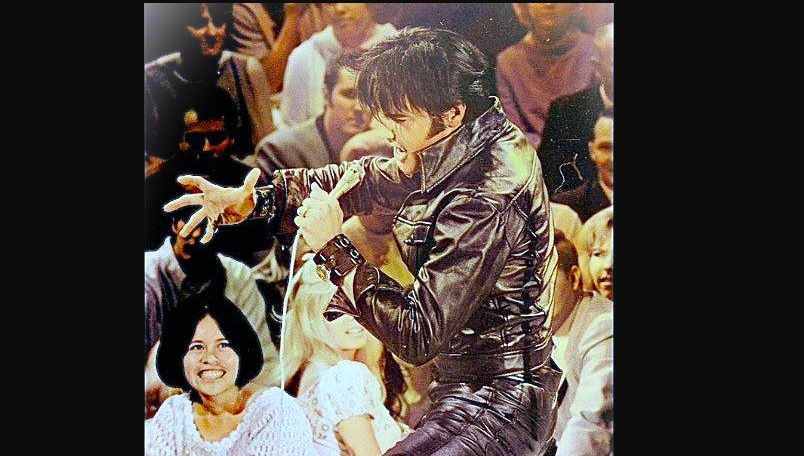
A monumental shift occurred with the opportunity to lead NBC’s 1968 Comeback Special. The project carried enormous pressure. Elvis walked into rehearsals uncertain, weighed down by years of frustration and the fear that audiences might have moved on. Backstage moments captured in newly shared accounts paint a vivid picture of his nerves. Still, the moment he stepped into the spotlight, everything transformed. He delivered a performance filled with energy, vulnerability, and the unmistakable magnetism that defined his early years.
The black leather outfit designed by Bill Belew became one of the most unforgettable elements of the special. Inspired by Marlon Brando’s look in The Wild One, the ensemble blended leather, silk shirts, and carefully chosen scarves. It communicated power, confidence, and a striking sense of identity. More than a costume, it symbolized a return to strength and authenticity. With that performance, Elvis reclaimed his presence not through nostalgia, but through a rebirth of artistic intention.
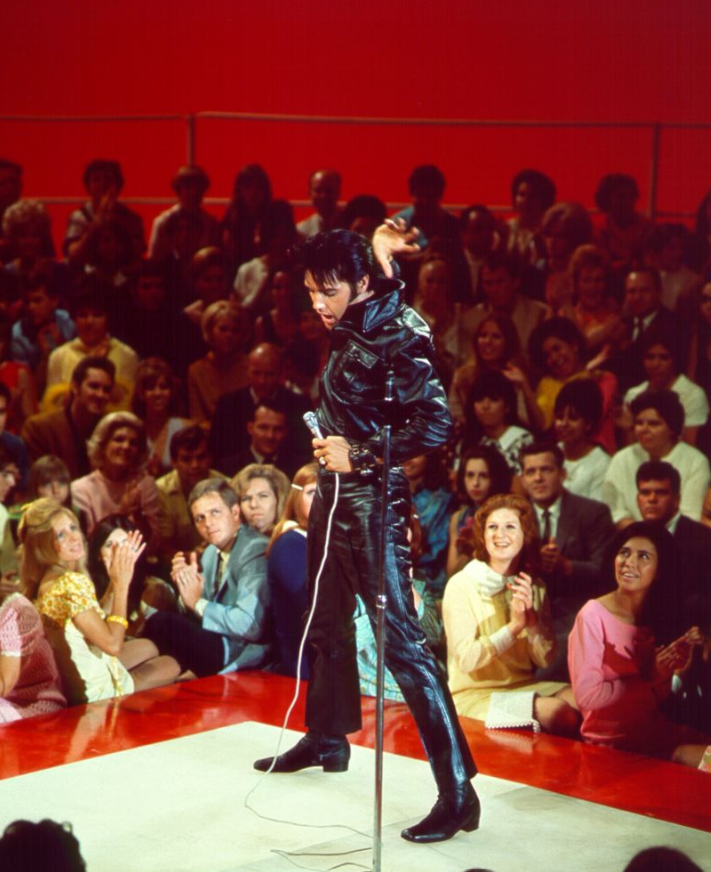
The success of the 1968 special was immediate and profound. Ratings soared to remarkable heights, and the soundtrack resonated strongly with listeners, marking an important shift in the public’s perception of him. The impact extended far beyond television. Elvis reasserted himself as a commanding live performer, reigniting the passion that had once defined his artistry. His comeback represented more than a moment in entertainment history. It reflected resilience, renewal, and the unwavering spirit that led to his enduring title as the King of Rock ’n’ Roll.
Through every scene and interview, the documentary highlights a powerful truth: Elvis’s rise in 1968 was not a stroke of luck or a manufactured revival. It was the result of deep reflection, tremendous self-doubt, and a courageous push to reclaim the essence of who he was. His journey reminds viewers that even legends face crossroads, and it is the willingness to confront them that shapes lasting legacy.