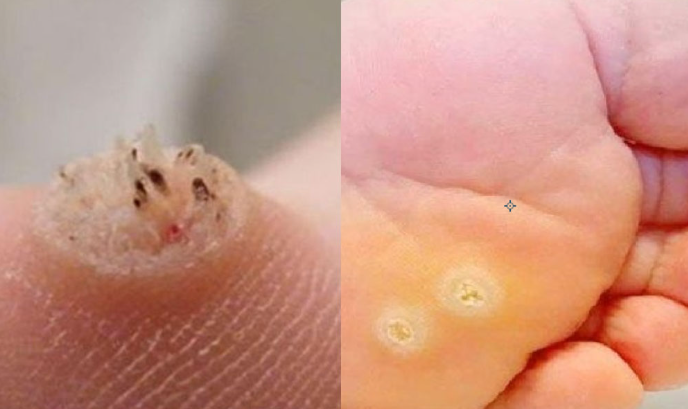
Moles are clusters of pigmented cells that usually remain harmless when their appearance stays stable and symmetrical. A mole that begins to shift in shape, color, or size, or one that starts to itch, bleed, or form a crust, may signal melanoma or another form of skin cancer. Recognizing changes early increases the chance of effective treatment, which is why awareness plays such an important role in skin health.
The ABCDE Rule for Identifying Suspicious Moles
Dermatologists encourage the use of the ABCDE rule to help people tell the difference between common moles and those that need a medical evaluation.
– Asymmetry: One side of the mole appears different from the other.
– Border: The edges look uneven, blurred, or irregular.
– Color: Multiple shades appear within the same mole, including brown, black, red, white, or blue.
– Diameter: The size is larger than 6 millimeters, which is roughly equal to a pencil eraser.
– Evolving: The mole changes in appearance over time, either gradually or suddenly.
Any mole displaying these features should be examined by a doctor as soon as possible so a proper assessment can be made.
Other Types of Skin Growths to Watch For
Moles often receive the most attention, although other skin growths can raise concerns as well. Knowing what they look like can help you respond quickly.
– Actinic Keratoses: Rough, scaly patches that develop due to sun exposure. These lesions can become squamous cell carcinoma if left untreated.
– Basal Cell Carcinomas: Pearly bumps or waxy nodules that often appear on areas exposed to sunlight.
– Squamous Cell Carcinomas: Firm, reddened nodules or flat lesions with crusted surfaces.
– Seborrheic Keratoses: Harmless growths that resemble stuck-on spots of brown or black, sometimes mistaken for more serious conditions.
Signs That a Skin Growth Is Serious
There are additional indicators that a spot or mole may require medical attention:
– A growth that appears suddenly or begins to expand at a rapid rate.
– Persistent itching, discomfort, or bleeding in the area.
– Color that extends beyond the original border of the mole.
– Any sore that refuses to heal over time.
What Should You Do If You Notice a Suspicious Growth?
Regular care and awareness can make a meaningful difference.
– Self-Examine Regularly: Check your skin each month using good lighting and mirrors to locate new or changing growths.
– Consult a Dermatologist: Schedule an appointment if something looks unusual. A professional can examine the spot, perform a biopsy when necessary, and recommend the safest path forward.
– Protect Your Skin: Reduce risk by wearing sunscreen, avoiding tanning beds, and covering exposed areas during long periods outdoors.
Real-Life Stories: Why Early Detection Matters
Sarah, a 42-year-old teacher, once overlooked a small mole on her arm, believing it was simply an ordinary part of aging. Over several months, she noticed it growing and developing uneven edges. When she finally met with her doctors, she learned that the mole was melanoma. Thanks to timely medical care, surgeons removed the affected area before the cancer spread.
Today, Sarah encourages friends, students, and family members to monitor their skin regularly. She often shares her experience to remind others of the importance of early action. Her story shows how valuable it can be to stay aware and seek help when something feels different.
Prevention Tips to Keep Your Skin Healthy
Taking preventive steps supports long-term skin wellness:
– Know your family history since genetics can influence your risk.
– Limit sun exposure by staying indoors during peak UV hours, usually between 10 AM and 4 PM, and by wearing protective clothing when outdoors.
– Use broad-spectrum sunscreen with SPF 30 or higher every day, including cloudy days.
– Share any concerns with your doctor, especially if you notice recurring changes.
– Avoid tanning beds because they significantly increase melanoma risk.
Conclusion
Many skin growths remain harmless throughout a person’s life. Staying observant ensures peace of mind and allows timely action when needed. Early recognition can improve outcomes in meaningful ways. Whenever you notice a mole or spot that seems unusual or begins to change, reach out to a medical professional. Your attention to your skin’s health can make a profound difference.
Stay aware, stay proactive, and continue caring for the skin that protects you every day. ✨