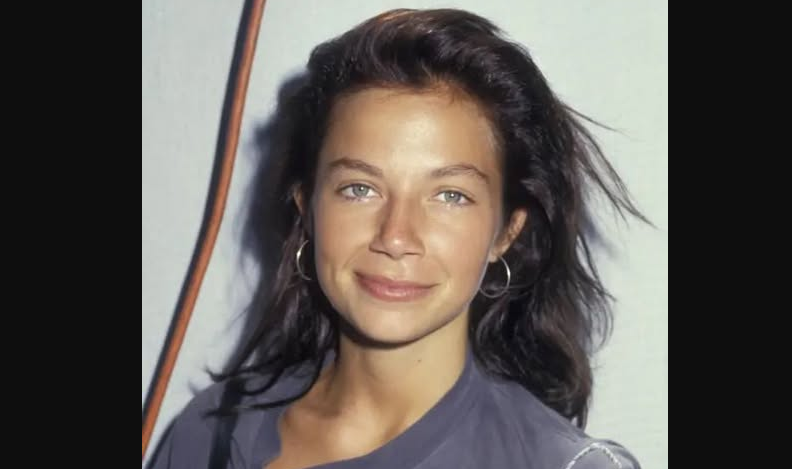
In the vibrant, fast-paced atmosphere of 1980s Hollywood, Justine Bateman emerged as one of television’s most familiar and admired figures. Her work on Family Ties placed her firmly in the cultural conversation, and viewers connected with her intelligence, confidence, and effortless presence on screen. She represented a generation of performers who felt polished without appearing distant, relatable without losing star quality.
Her image quickly became part of the era’s visual language. Magazine covers, interviews, premieres, and red carpets followed one another in rapid succession. Fame arrived early, bringing attention as well as expectations. Her appearance, style, and demeanor were examined closely, often treated as part of her professional value. Youth became intertwined with opportunity, and the industry reinforced the idea that visibility depended on maintaining a specific look over time.
As the years passed, those expectations did not disappear. They evolved. Aging in the public eye often comes with pressure to minimize change or disguise it entirely. For many women, especially those whose careers began young, this pressure intensifies rather than fades. Justine Bateman understands that environment deeply, having lived within it for decades.
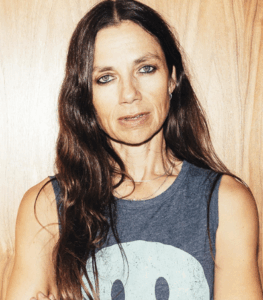
Now in her late fifties, she has drawn renewed public attention through a clear and intentional choice. She has decided to age naturally, declining cosmetic procedures meant to preserve a younger appearance. This decision has placed her at the center of broader discussions about beauty, autonomy, and how society measures worth over time.
Her face today reflects lived experience rather than deliberate alteration. Gray hair, natural lines, and visible changes are not presented as challenges to overcome. They are acknowledged as part of a life shaped by growth, work, relationships, and learning. She speaks about this openly, with calm assurance rather than defensiveness.
In interviews and essays, Bateman has shared that her appearance represents her history. Each change carries meaning connected to moments of joy, difficulty, resilience, and insight. For her, altering those markers would feel like distancing herself from her own narrative. Comfort in one’s identity matters more than meeting expectations formed by others.
She has also expressed concern about how aging is often framed as something threatening, especially for women. That framing can quietly encourage constant self-monitoring and dissatisfaction. Bateman’s perspective centers on agency. Choosing how to live in one’s body should come from alignment with personal values rather than external pressure.
Public reaction has been varied. Many people have expressed admiration, describing her as reassuring in a culture saturated with unrealistic standards. Others have responded with criticism, highlighting how deeply embedded those standards remain. Bateman acknowledges these responses without allowing them to shape her direction. Her focus remains on living in a way that feels internally consistent.
Beyond appearance, her career path reflects the same philosophy. Over time, she expanded her creative work beyond acting. Writing, directing, and publishing have become significant parts of her professional life. These roles rely on insight, perspective, and voice rather than surface image. Experience enhances those qualities, allowing creative expression to mature rather than diminish.
Her work as an author and filmmaker reinforces her belief that growth continues when space is allowed for honesty and reflection. Creativity does not belong to one age group. It develops through attention, discipline, and lived understanding. Her professional evolution mirrors her personal stance on aging: development remains possible when authenticity leads the way.
Bateman often emphasizes that her choices are not prescriptions. She encourages others to make decisions that support their well-being, whether that involves embracing change or seeking it. The central point is consent and clarity. A choice holds value when it arises from self-respect rather than obligation.
Aging, in her view, reflects participation in life. It signals years spent engaging, contributing, learning, and adapting. Those experiences carry weight. They do not reduce value; they deepen it. This perspective challenges narratives that equate relevance with appearance alone.
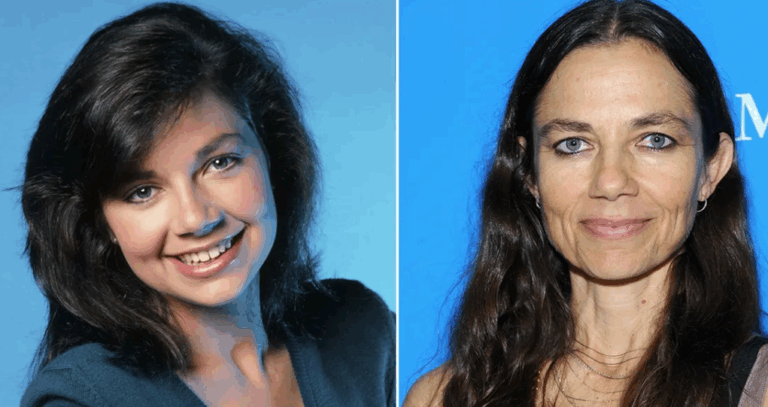
Today, Justine Bateman is recognized for more than her early roles. She is increasingly seen as a thoughtful voice in conversations about identity, aging, and personal freedom. Her presence offers an alternative narrative that values authenticity and intention. In an environment that often prioritizes visual reinvention, she demonstrates a different kind of strength rooted in acceptance.
Her story resonates across generations. Longtime viewers remember her early work with affection, while new audiences encounter her through writing, interviews, and public commentary. What connects these phases is consistency of character. She continues to value independence, clarity, and honesty.
By choosing to age naturally and speak openly about it, Justine Bateman has expanded how success and beauty can be understood over time. Her journey illustrates that dignity evolves, identity deepens, and self-worth remains steady when it is defined from within rather than assigned from outside.