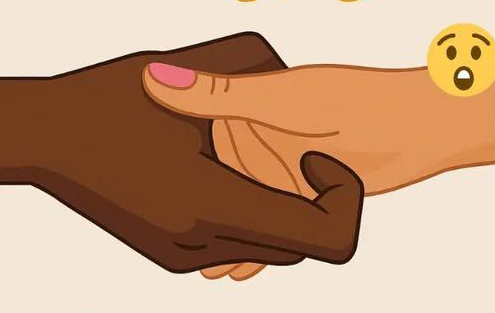
Body language often communicates messages that words never express, especially during moments that arrive without warning. One gesture that frequently raises questions is when a man lightly scratches the palm of your hand. It may seem brief or insignificant at first, yet this small action can carry meaning that deserves attention.
Across different cultures and social settings, physical gestures have long served as unspoken signals. For women who value awareness, self-respect, and emotional clarity, understanding these signals matters. Knowing how to interpret them—and how to respond in a way that protects your comfort—helps you remain confident and grounded in any interaction.
Whether you are exploring a new connection, returning to social life after loss, or enjoying everyday conversations, recognizing physical cues allows you to remain present without losing control of the moment.
The Palm Scratch as a Subtle Sign of Interest
When a man scratches the palm of a woman’s hand, the gesture is rarely accidental. In several cultures, including parts of the American South, Latin America, and Mediterranean regions, this movement has traditionally been used as a discreet form of romantic interest.
Unlike a handshake or a casual touch on the arm, the palm is a personal space. A light scratch or rub there is deliberate, intimate, and often intended to test boundaries without using words. It does not automatically confirm intention, but it often signals curiosity or attraction.
What matters most is not the gesture itself, but how it makes you feel—and how you choose to respond.
If the Gesture Feels Welcome
There are moments when the gesture feels natural or even pleasant. Perhaps you have already shared conversation, laughter, or meaningful eye contact. In those cases, your response can gently guide what happens next.
A warm smile or steady eye contact can communicate openness without escalating the situation too quickly. These subtle responses acknowledge the moment while keeping you in control.
Some women choose to lightly mirror the contact, brushing his hand in return. This signals mutual interest while maintaining balance and confidence.
Another option is playful curiosity. A light comment such as,
“What was that about?” or
“Are you trying to say something?”
keeps the exchange respectful and invites clarity without pressure.
You may also choose to continue the interaction by staying engaged, walking together, or sitting nearby. Your actions can reflect interest without surrendering your boundaries.
If the Gesture Feels Uncomfortable
Your comfort always comes first. If the palm scratch feels intrusive, unwelcome, or confusing in a negative way, your instincts deserve respect.
Pulling your hand away is a clear and immediate signal. No explanation is required for protecting your space.
If words feel necessary, calm and direct language works best. Statements such as,
“Please don’t do that,” or
“That made me uncomfortable,”
communicate boundaries without hostility.
Changing the setting, stepping away, or ending the interaction are also valid responses. Politeness should never override personal safety or self-respect.
You are never obligated to tolerate behavior that crosses your limits, regardless of familiarity or intention.
When You Feel Unsure
Some gestures exist in uncertain territory. They may not feel clearly inappropriate, yet they may not feel right either. In those moments, clarity brings peace of mind.
Asking a straightforward question can provide insight:
“What did you mean by that?” or
“Is there something you wanted to express?”
Observe how he responds. Does he answer respectfully, or does he deflect? Does his body language remain open and considerate, or does it become dismissive?
Your intuition plays a powerful role here. Experience teaches when to lean in and when to step back.
Your Boundaries Define the Moment
For many women, especially those in later chapters of life, this stage is about honoring personal choice, dignity, and emotional well-being. After years of caring for others, supporting families, or navigating life’s responsibilities, your comfort now matters deeply.
You decide what feels right. You decide what continues.
If a gesture feels charming and mutual, you are free to enjoy it. If it feels unwelcome, you are equally free to end it.
Real connection grows from mutual respect, clear communication, and emotional awareness. Gestures mean nothing without those foundations.
You have earned the right to expect respect, clarity, and kindness in every interaction—and to respond in ways that reflect your strength and self-worth.