Heart disease continues to stand among the most serious health concerns across the globe. What makes it particularly dangerous is not always sudden collapse or dramatic pain, but the way early signals are often overlooked. Many people attribute subtle symptoms to stress, aging, or everyday exhaustion. In reality, the body often begins communicating distress well before a major cardiac event occurs. Learning to notice and respect these early messages can make a life-saving difference, allowing time for medical evaluation, supportive care, and meaningful lifestyle adjustments before lasting damage develops.
🌿 Early warning signs that deserve careful attention
Unusual and persistent fatigue
A deep sense of exhaustion that lingers even after adequate rest can be an important signal. Feeling drained after simple activities such as light housework, short walks, or climbing a few steps may indicate that the heart is working harder than it should. This type of fatigue often feels heavier than ordinary tiredness and may appear without a clear cause.
Breathing difficulties
Shortness of breath during everyday tasks, while resting, or when lying flat can suggest that the heart is struggling to circulate blood efficiently. Some people notice waking suddenly at night with discomfort or an urgent need to breathe more deeply. These changes should be taken seriously, especially when they appear repeatedly.
Chest sensations
Discomfort in the chest does not always appear as intense pain. It may feel like pressure, tightness, fullness, warmth, or a mild burning sensation. These sensations can come and go, which leads many people to delay seeking care. Heart-related chest symptoms often fluctuate rather than remain constant, making awareness especially important.
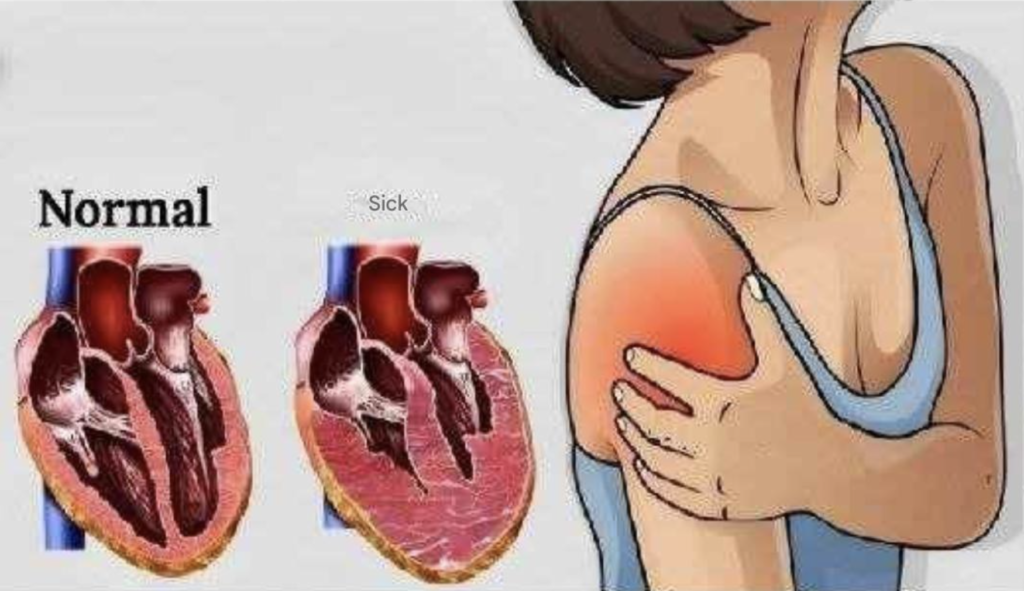
Pain beyond the chest
Heart-related discomfort can radiate to other areas of the body. Arms, shoulders, the upper back, neck, jaw, or upper abdomen may feel sore, tight, or uncomfortable. Because the sensation does not stay centered in the chest, many people fail to connect it to heart health.
Dizziness and lightheadedness
Feeling faint, disoriented, or unusually unsteady may result from reduced blood flow to the brain. This can happen when the heart is unable to pump effectively. Episodes of dizziness, confusion, or near-fainting should always prompt medical attention.
Swelling in lower extremities
Fluid buildup in the feet, ankles, or legs may signal circulation difficulties. Swelling that appears without injury, worsens over time, or remains persistent can indicate that the heart is under strain and requires evaluation.
💡 Why recognizing these signs matters
These symptoms often appear quietly and gradually.
They may surface weeks or even months before a heart attack or serious cardiac condition.
Early recognition creates an opportunity for testing, treatment, and preventive strategies that support long-term heart function and overall quality of life.
🌿 Supportive habits for everyday heart care
Pay attention to changes in how your body feels and functions. Ongoing or unusual symptoms deserve thoughtful consideration rather than dismissal.
Choose a nourishing diet that includes fruits, vegetables, whole grains, healthy fats, and lean sources of protein.
Engage in physical activity suited to your age and abilities, focusing on consistency rather than intensity.
Support emotional balance through relaxation, breathing practices, creative hobbies, and meaningful social connection.
Prioritize restful sleep, allowing the body time to repair and restore itself.
Maintain regular medical checkups, especially if risk factors such as high blood pressure, diabetes, elevated cholesterol, smoking history, excess weight, or family history of heart disease are present.
🌿 Reflecting together
Have you or someone close to you noticed any of these warning signs?
What steps do you take each day to support your heart and overall wellbeing?
Do you believe early symptoms receive enough attention in everyday life?
📢 Sharing awareness saves lives
Passing along this information helps others recognize signs they might otherwise ignore.
Liking and sharing thoughtful health discussions supports broader awareness.
Commenting with personal experiences or insights encourages connection and learning.
Following trusted sources for practical, easy-to-understand health information helps build lasting habits.
Your heart works continuously, supporting every breath, movement, and moment of your life. Offering it care, respect, and attention is one of the most meaningful investments you can make in your future health, independence, and peace of mind.