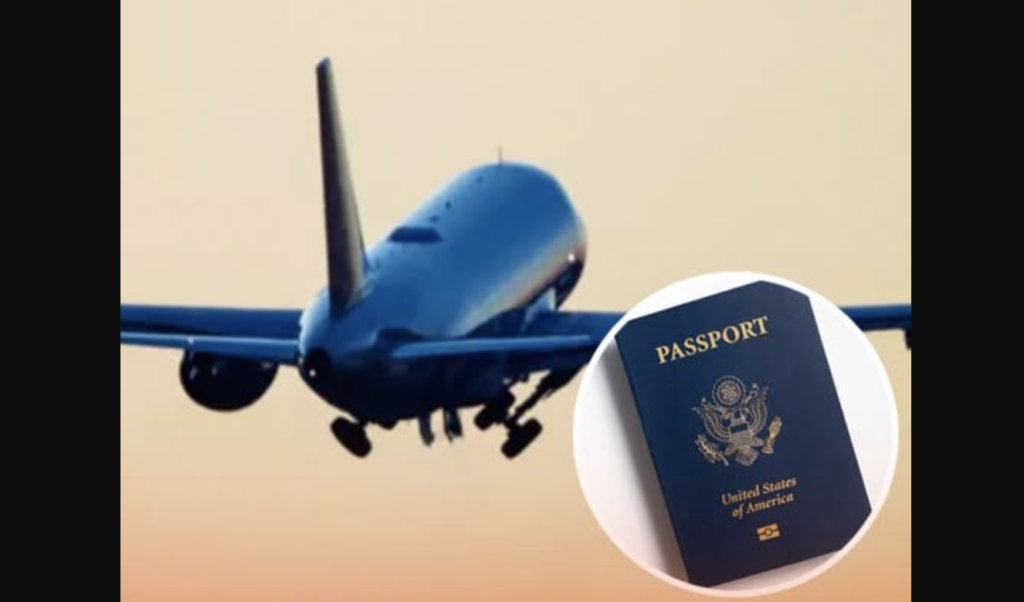
Since returning to the presidency, Donald Trump has placed immigration control and border enforcement back at the center of his administration’s priorities. Within weeks of taking office, the White House signaled a renewed focus on limiting entry into the United States through expanded travel restrictions.
Earlier this month, federal officials confirmed a significant update to existing policies, increasing the number of affected countries to thirty nine. This expansion now stands among the most extensive travel restriction frameworks implemented by the United States in recent decades.
According to statements from the administration, the policy is designed as a national security safeguard. Officials argue that limiting entry from certain countries reduces risks associated with inadequate document verification, insufficient data sharing, and weak border controls abroad.
Supporters of the measures maintain that the restrictions encourage foreign governments to improve their security practices and align more closely with U.S. standards. They also argue that the policy provides immigration authorities with clearer guidelines for screening travelers before arrival.
At the same time, critics have raised concerns about the broader consequences of such sweeping actions. Advocacy groups, foreign governments, and international organizations warn that the restrictions may strain diplomatic relationships, disrupt trade and tourism, and unfairly impact civilians who have no role in their governments’ policies.
Economists have also noted potential ripple effects, particularly for industries that rely on international travel, humanitarian cooperation, and academic exchange.
Under the updated framework, full travel bans now apply to citizens of several countries, including Afghanistan, Burma, Chad, Congo, Eritrea, Haiti, Iran, Libya, Somalia, Sudan, Yemen, and Syria. Individuals from these nations face near total suspension of visa issuance, with only narrow exemptions for specific humanitarian or diplomatic circumstances. Partial bans have also been placed on countries such as Angola, Nigeria, Tanzania, and Zambia, limiting access to certain visa categories such as work, study, or family reunification.
U.S. officials state that these distinctions are based on internal assessments of each country’s compliance with documentation security, identity verification, and information sharing requirements. However, governments affected by the policy have questioned how these evaluations are conducted. Several have requested clearer criteria and timelines for review, arguing that the current process lacks transparency and consistency.
The international response has been swift. Mali and Burkina Faso announced reciprocal entry restrictions on U.S. citizens, citing principles of national sovereignty and equal treatment. Niger has implemented a more permanent response, halting the issuance of visas to Americans altogether. Chad, which had been included in previous rounds of restrictions, had already suspended visas for U.S. travelers. These countermeasures introduce new challenges for diplomats, aid workers, journalists, and businesses operating across borders.
Beyond travel bans, the administration has expanded biometric screening procedures at U.S. ports of entry. New measures include broader use of facial recognition technology at airports, with discussions underway regarding additional biometric identifiers for non citizens. Officials describe these tools as essential for verifying identity and preventing fraud. Privacy advocates, however, have expressed concern about how biometric data is stored, shared, and protected over time.
European governments have taken notice of the evolving policies. Authorities in the United Kingdom and Germany have issued updated travel advisories, reminding citizens that possession of a visa or ESTA approval does not guarantee entry into the United States. Internal government communications suggest that further expansion of restrictions remains under consideration, increasing uncertainty for travelers and international partners alike.
Taken together, the combination of expanded travel bans, reciprocal actions from affected countries, and enhanced biometric controls marks a significant shift in global mobility. These changes are reshaping how nations interact, how individuals plan international travel, and how governments balance security with openness. As the policies continue to unfold, both supporters and critics will be watching closely to see how they influence diplomatic relations, economic activity, and the daily lives of people navigating an increasingly complex global travel environment.