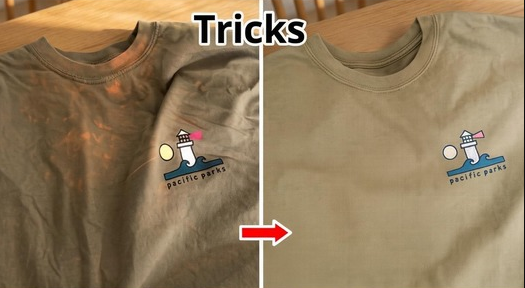
It can happen faster than expected. One moment you are cleaning a surface or sorting laundry, and the next, a small splash lands where it should not. When you look down, a lightened patch has appeared on a shirt you like, drawing immediate attention.
Bleach stains tend to feel especially frustrating because they alter fabric rather than sitting on top of it. Instead of leaving residue, bleach removes color, creating pale marks that stand out sharply against the surrounding material. Many people assume this kind of damage means the garment is finished. In reality, that conclusion often comes too quickly. With the right understanding and a thoughtful response, some bleach marks can be softened, blended, or transformed enough to make clothing wearable again.
Bleach behaves differently from food spills, oil stains, or dirt. Traditional stain removers are designed to lift substances from fibers, not to replace lost pigment. That is why scrubbing harder or applying stronger cleaners rarely improves the situation and can even make it worse.
Bleach strips dye from fabric fibers, leaving behind areas that lack color. While restoring the exact original shade is not always possible, improvement is often achievable. When stains are small, recent, or located in less visible areas, simple techniques can significantly reduce their visual impact. These approaches focus on managing discoloration rather than reversing chemistry, offering a practical alternative to discarding clothing prematurely.
Timing plays an important role. When a bleach mark is discovered quickly, action can limit how far the damage spreads. Bleach may continue to lighten fibers after contact, so slowing or stopping the reaction becomes the first goal.
Rinsing the area immediately with cold water helps flush out remaining bleach. Beyond rinsing, a mild neutralizing solution can be useful. Products containing sodium thiosulfate are designed to counteract bleach activity. When applied gently and rinsed thoroughly, they can reduce additional fading. As with any fabric treatment, testing the solution on a hidden seam or inner hem helps prevent unwanted results.
Once a stain has fully set, attention shifts from stopping damage to improving appearance. One commonly used method involves encouraging surrounding dye to blend slightly into the lighter area. A mixture of rubbing alcohol and a small amount of white vinegar can sometimes help redistribute pigment.
Using a soft cloth or cotton swab, the solution is dabbed carefully around the edges of the stain. Gentle application matters, as excessive pressure can weaken fibers or enlarge the affected area. This technique works best on darker fabrics where contrast is most noticeable, and patience often yields better results than rushing the process.
Another option involves creative color correction. Fabric markers or textile dyes designed for small repairs can help reduce contrast by darkening the pale area. Choosing a shade slightly lighter than the original fabric often produces a more natural blend.
Applying color gradually allows better control and avoids creating a new, obvious patch. This method turns repair into a subtle art project, giving garments a second life while preserving their overall look.
In some cases, bleach marks inspire thoughtful redesign rather than concealment. Decorative stitching, small patches, or fabric embellishments can transform a flaw into an intentional feature. Lightened spots can also be incorporated into tie-dye patterns or over-dyed sections, shifting the garment’s appearance entirely. These approaches not only save clothing but also reduce waste by encouraging reuse and creativity.
Bleach stains feel discouraging because they appear permanent, yet permanence often depends on perspective. While not every mark disappears, many can be softened, disguised, or reimagined. Instead of discarding clothing at the first sign of discoloration, taking a moment to explore gentle repair options can extend its usefulness. With patience and care, what once looked like damage can become a reminder that small mishaps do not always signal the end.