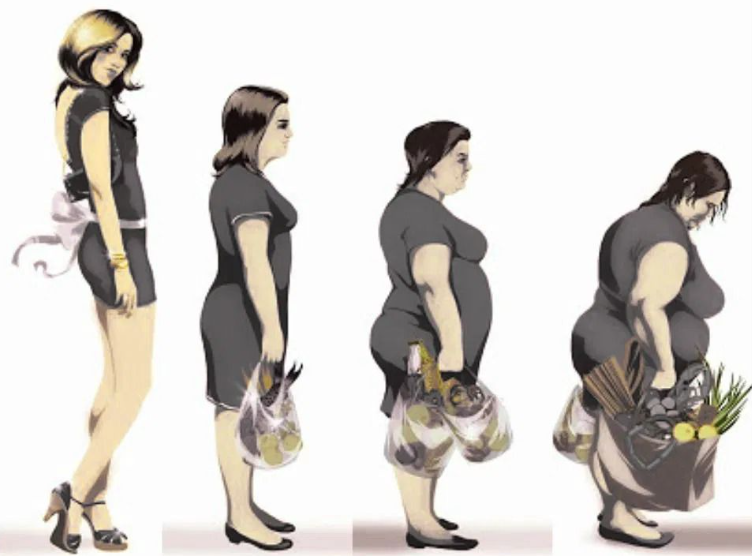
On my blog, I often revisit an image that circulates widely online, one that claims to illustrate the idea of the reverse evolution of women within marriage. The words, attributed to the fictional villain Cruella, are intentionally provocative: marriage has harmed more women than famine and natural disasters combined. Within the original context, the quote exists to emphasize cruelty and exaggeration, aligning with the character’s ruthless nature. Yet outside of fiction, the phrase has taken on a life of its own. It has become a warning slogan for many women who have experienced emotional pain in marriage, as well as for those who fear becoming trapped in an unhealthy relationship.
I hold two perspectives when I encounter statements like this. On one side, it is impossible to ignore the reality that many women endure deep emotional struggles within marriage. Stories of unhappiness, loss of self, and quiet suffering are common enough to resonate with a wide audience. On the other side, I hesitate to assign blame to marriage itself as an institution. In my view, marriage is not inherently damaging. What causes harm are specific behaviors and patterns that can exist within it and, over time, be used against a woman’s emotional well-being.
One of the most damaging of these patterns is persistent criticism.
Criticism
Healthy feedback plays an important role in any close relationship. Honest communication helps partners grow and understand one another. However, criticism that is constant, personal, and dismissive crosses a line. When a woman is repeatedly criticized for how she dresses, how she cooks, how she speaks, or how she raises her children, the effect is cumulative. Each comment may seem small on its own, yet together they begin to shape how she sees herself.
This form of criticism cuts deeper when it comes from the person she expects to offer safety and encouragement. Marriage is often built on the promise of mutual support. When that promise feels broken, the emotional impact can be profound. Over time, remarks that may have started as occasional complaints can begin to feel like a sustained attack on her identity rather than a discussion about behavior.
As this pattern continues, many women begin to internalize the criticism. Confidence erodes quietly. She may hesitate before speaking, second-guess decisions she once made easily, or withdraw from conversations to avoid conflict. Emotional distance can grow, not from a lack of care, but from a sense that expressing herself leads to judgment rather than understanding.
What to do instead: Communication that strengthens a relationship comes from respect. Concerns should be expressed without attacking character or self-worth. Using language that reflects personal feelings, such as “I feel overwhelmed when…” or “I need support with…,” keeps conversations grounded in connection rather than blame. A healthy balance also includes recognizing strengths and offering appreciation, not focusing solely on perceived flaws.
Control Disguised as Concern
Another damaging aspect that often appears in unhappy marriages is control presented as care. It may begin subtly, framed as worry or protection. Comments about who she spends time with, how she manages money, or what choices are appropriate can slowly limit her independence. Over time, these restrictions may be justified as being “for her own good,” yet the result is a narrowing of personal freedom.
When decisions are consistently questioned or overridden, a woman may feel incapable of trusting her own judgment. This dynamic shifts the balance of the relationship, replacing partnership with authority. The emotional toll is significant, as autonomy is closely tied to self-respect and personal growth.
Emotional Neglect
Not all harm is loud or obvious. Emotional neglect can be equally damaging, even though it often goes unnoticed. When emotional needs are consistently dismissed, minimized, or ignored, loneliness can exist even within marriage. Conversations become shallow. Feelings go unheard. Support feels absent during moments of vulnerability.
This absence can lead a woman to feel invisible, as though her inner world holds little value. Over time, emotional neglect can diminish joy, motivation, and connection, leaving behind a quiet sense of isolation.
Loss of Identity
Many women enter marriage with dreams, interests, and ambitions of their own. When those aspects are gradually pushed aside in favor of meeting everyone else’s needs, identity can fade. This loss rarely happens overnight. It develops through years of prioritizing harmony over self-expression, responsibility over desire, and expectation over fulfillment.
Marriage becomes harmful when it demands self-erasure rather than encouraging growth. A healthy partnership allows space for both individuals to evolve, not shrink.
A Broader Reflection
The statement that marriage harms women oversimplifies a complex reality. Marriage itself is not the source of suffering. Harm arises from criticism that erodes confidence, control that limits freedom, neglect that fosters loneliness, and dynamics that suppress identity. These patterns are not exclusive to marriage, yet when they exist within it, they can feel inescapable.
Understanding this distinction matters. It shifts the focus from fear of commitment to awareness of behavior. It allows women to seek relationships rooted in respect, communication, and mutual support rather than silence or endurance.
Marriage should not diminish a woman’s sense of self. When it does, the problem is not the commitment, but the conditions surrounding it. Recognizing those conditions is the first step toward healthier relationships and stronger emotional well-being.