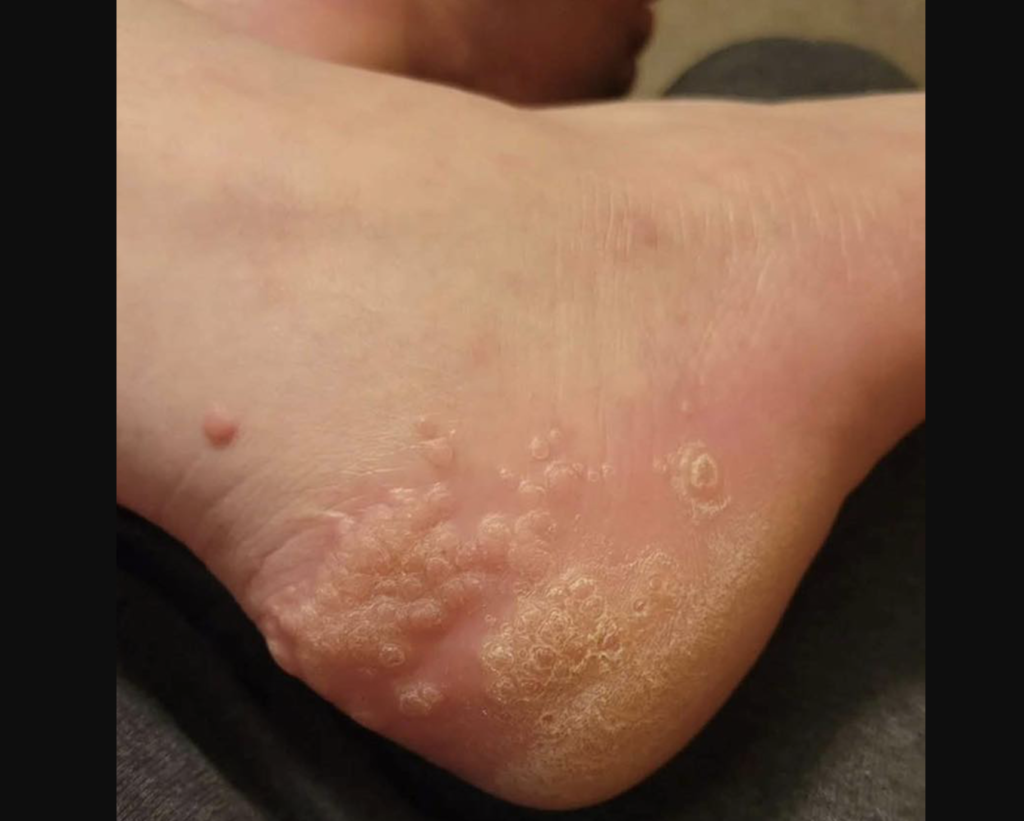
Have you ever slipped into a pair of second-hand shoes and, a short time later, noticed a small yellow bump appearing on your toe? At first, it can feel uncomfortable and even slightly alarming. Many people immediately worry about infections or long-term foot problems. In most situations, however, this kind of bump is harmless. It is usually a corn or callus—a thickened area of skin that forms when your body tries to shield itself from repeated pressure or friction.
These changes do not happen overnight without reason. The skin on your feet is remarkably adaptive. When it senses constant irritation, it responds by building a protective barrier. That barrier often shows up as a yellowish, hardened patch that feels rough or sensitive to touch. While it may not look pleasant, it is a sign that your body is doing its best to protect deeper layers of tissue.
Why This Often Happens with Second-Hand Shoes
Pre-owned shoes are one of the most common triggers for corns and calluses. Even when they appear to be in excellent condition, they are rarely a perfect match for a new wearer. Over time, shoes conform to the shape, gait, and pressure points of the original owner’s feet. Once someone else puts them on, those same pressure zones may land in entirely different places.
This mismatch often leads to ongoing irritation, especially in areas like the toes. Common contributing factors include:
Friction
Repeated rubbing occurs when a toe brushes against stiff seams, narrow sections, or uneven interior surfaces. Over time, this constant movement irritates the skin.
Pressure
Shoes that squeeze the toes—particularly the big toe or the smallest toe—apply steady force. That pressure signals the skin to thicken as a form of defense.
As the skin builds up layers of keratin, the area can take on a yellow tone. Hard corns frequently develop on the tops or sides of toes and may contain a dense central core. Pressing on this spot can feel similar to stepping on a small pebble, especially when walking.
Other Possible Causes to Be Aware Of
Although corns and calluses are the most common explanation, other issues can occasionally create yellowish changes on the toes.
Blisters
Strong friction may initially produce a fluid-filled blister. If the area becomes irritated or infected, it can appear yellow. Blisters usually feel soft and tender rather than firm.
Fungal Conditions
Shoes previously worn by others may carry fungi. These infections more often cause itching, peeling skin, redness, or changes in the toenails rather than a solid bump. Still, they are worth considering if symptoms spread or persist.
Why Used Shoes Pose a Higher Risk
New shoes can cause temporary discomfort during the break-in phase, but second-hand footwear brings additional challenges:
The interior shape reflects someone else’s foot structure, creating uneven stress points.
Residual moisture, bacteria, or fungi may still be present if the shoes were not properly cleaned.
Worn padding or insoles may fail to distribute weight evenly, increasing pressure on certain toes.
These factors combine to make irritation more likely, especially if the shoes are worn for long periods without adjustment.
How to Care for the Yellow Bump
Most corns and calluses respond well to simple, consistent care at home.
Start by changing footwear. Discontinue wearing the shoes that caused the problem. Choose pairs with enough room in the toe box, soft interiors, and proper cushioning.
Soaking your feet can help. Warm, soapy water for ten to twenty minutes softens hardened skin. After soaking, gently smooth the area with a pumice stone or emery board. Avoid cutting the skin, as this can lead to injury or infection.
Reducing friction is important. Protective pads, moleskin, or gel toe covers help shield sensitive areas from further irritation.
Moisturizing regularly supports healing. Creams that contain urea or similar softening agents can help reduce thickened skin over time.
Over-the-counter treatments may also be useful. Products with salicylic acid are designed to gradually break down corns, though they should be used carefully and according to instructions.
When to Seek Professional Care
If the area becomes increasingly painful, shows redness or swelling, produces discharge, or does not improve after a couple of weeks, a visit to a podiatrist is recommended. A specialist can safely remove thickened skin and check for underlying contributors such as bone alignment issues or structural foot changes.
Preventing Future Problems with Pre-Owned Shoes
If you plan to wear second-hand shoes again, preparation makes a difference. Clean and disinfect them thoroughly using appropriate sprays or wipes. Wearing socks helps reduce friction and absorb moisture. Introducing shoes gradually gives your feet time to adapt. Selecting breathable materials and the correct size also lowers the risk of irritation.
That small yellow bump is your body’s way of communicating that something is rubbing or pressing too much. Addressing the source of friction often allows the skin to recover. When discomfort continues, professional guidance can help you return to comfortable, confident steps.