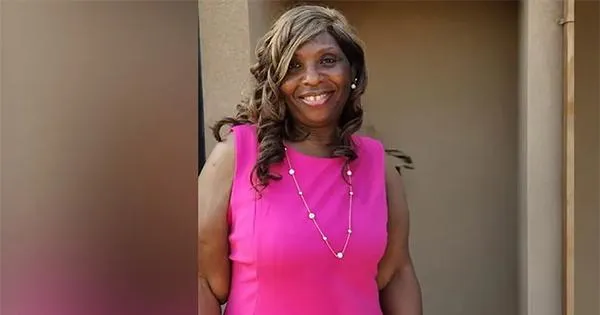
Zoraya ter Beek, a 28-year-old woman living in Netherlands, has publicly shared her intention to undergo euthanasia in the coming month, even though she does not suffer from a terminal physical illness. Her announcement has quickly traveled beyond national borders, drawing attention from medical professionals, ethicists, lawmakers, and the general public.
The reason for this widespread interest lies in the basis for her eligibility: long-term psychiatric suffering rather than a life-limiting physical condition. Her case has reopened complex discussions about ethics, personal autonomy, and the responsibilities carried by modern medicine.
Under Dutch law, euthanasia is permitted only under carefully defined circumstances. A patient must experience suffering that is considered unbearable, with no realistic prospect of improvement, and must meet a series of strict procedural and medical requirements.
In ter Beek’s situation, eligibility has been determined based on a combination of severe, treatment-resistant depression, autism, and borderline personality disorder. She has spoken openly about undergoing years of psychiatric treatment, including therapy, medication trials, and intensive clinical support. According to her account, none of these approaches provided lasting relief.
She has described the emotional toll of repeated treatment attempts that began with hope and ended in disappointment. Over time, that cycle became part of the suffering itself. Rather than experiencing gradual improvement, she found herself increasingly exhausted, both mentally and emotionally, with diminishing expectations that her condition could change. In her view, the absence of meaningful progress left her without a sense of future stability or recovery.
Those who support euthanasia access for psychiatric patients emphasize that mental suffering can be deeply incapacitating. They argue that psychological pain can affect every aspect of daily life, including the ability to function, maintain relationships, or experience a sense of identity.
From this perspective, limiting end-of-life choices to physical illness alone overlooks the reality faced by people whose suffering is rooted in the mind. Advocates also point out that cases like ter Beek’s are subject to extensive evaluation, involving multiple physicians and mental health specialists who independently assess whether legal criteria are met. Approval is granted only after careful review, with safeguards designed to prevent impulsive or inadequately examined decisions.
Many medical professionals, however, express serious concerns. Some psychiatrists note that feelings of hopelessness and the belief that no improvement is possible are recognized symptoms of depression itself.
They question whether a request for euthanasia can ever be fully independent of the illness influencing a patient’s perception. Others raise concerns about long-term societal effects, warning that expanding euthanasia criteria may unintentionally reduce urgency around improving mental health systems, research, and access to care.
These voices stress the importance of continued investment in treatment options, support structures, and social services for those living with complex psychiatric conditions.
Ter Beek has consistently described her decision using language centered on relief rather than despair. She has said that the option of euthanasia has brought her a sense of calm after years of persistent distress. She plans to spend her final moments at home, in familiar surroundings, and has chosen cremation in order to minimize the emotional and logistical burden on her partner. While she has acknowledged feeling fear about the process, she has also stated that the anticipated outcome brings her peace.
Her story has not produced consensus, nor has it resolved the ethical questions it raises. Instead, it has prompted deeper reflection across cultures and professions.
The case encourages society to examine how suffering is defined, how autonomy is protected, and how medical responsibility is balanced with compassion. It also highlights the challenges faced by healthcare systems when addressing conditions that are invisible yet profoundly disruptive.
As discussions continue, ter Beek’s experience stands as a powerful example of the tensions surrounding mental health care in the modern world. Her situation underscores the need for thoughtful dialogue, careful policy, and ongoing attention to the realities faced by individuals living with severe psychiatric conditions.
Regardless of where opinions fall, her case has compelled a global audience to reflect on how societies respond to suffering, choice, and the boundaries of medical intervention.