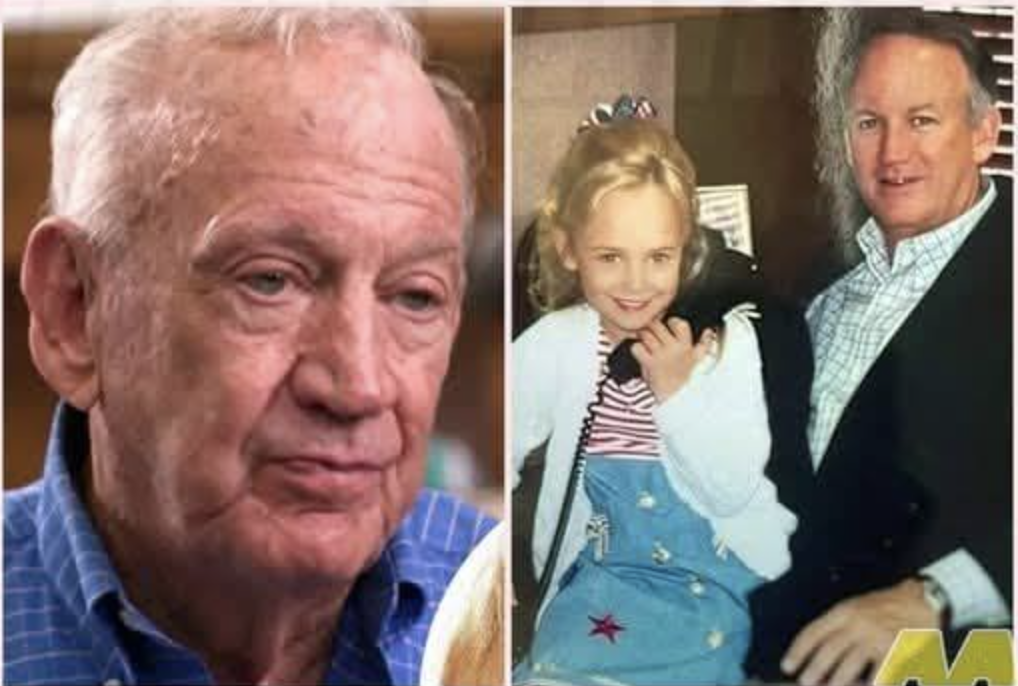
For nearly three decades, the name JonBenét Ramsey has remained etched into America’s collective memory. She was a young child whose life ended far too early, yet whose story continued to echo long after the initial shock faded. Her case became more than a tragic event; it turned into a reflection of how society responds to loss, uncertainty, and unresolved questions.
In December 1996, JonBenét, only six years old, was discovered deceased in the basement of her family’s home in Boulder, Colorado. What began as a heartbreaking local investigation quickly expanded into a national obsession. News outlets from across the country descended on the case, transforming it into a constant headline and a subject of endless debate. What should have been a careful, methodical search for answers became intertwined with speculation, interpretation, and public opinion.
As days turned into weeks, and weeks into years, the investigation revealed significant challenges. Law enforcement agencies struggled with coordination, evidence handling raised concerns, and early missteps complicated later efforts. At the same time, the pace of media coverage often moved faster than verified facts. Narratives formed quickly, sometimes solidifying before investigators had the opportunity to confirm or dismiss them. In that environment, clarity became difficult to achieve.
The media spotlight proved relentless. Television panels, newspaper columns, and later online forums dissected every detail, from family dynamics to forensic findings. Competing theories filled the airwaves, suggesting a wide range of possibilities about what happened that night. Each new angle revived public attention, often without resolution. The case remained present in the national conversation, resurfacing whenever a new book, documentary, or investigative update appeared.
Over time, the line between information and speculation grew increasingly blurred. Public fascination continued, even as meaningful progress toward resolution remained elusive. Investigators faced the ongoing challenge of distinguishing credible leads from assumptions shaped by years of exposure. The accumulation of commentary made it harder to return to the core facts without distraction.
Despite the layers of analysis and debate, the case has never been solved. Its persistence speaks to the deep discomfort people feel when faced with unanswered questions, especially those involving children. Each resurgence of interest highlights how the absence of closure can linger, leaving space for renewed discussion and reflection.
Yet beneath the attention and theories lies a quieter, more essential truth. Behind every headline, there was a child with a life beyond the public eye. JonBenét was more than a subject of investigation; she was a daughter, a student, and a young person with a future that never had the chance to unfold. Remembering this helps restore perspective that can be lost amid constant analysis.
Her story also offers insight into how easily compassion can be overshadowed by curiosity. The pursuit of explanations, when detached from empathy, can turn personal tragedy into public spectacle. This case serves as a reminder of the responsibility carried by both media and audiences when engaging with real human loss.
Today, JonBenét Ramsey’s legacy endures on multiple levels. It remains one of the most well-known unsolved cases in American history, and it also stands as an example of how tragedy, media attention, and cultural response intersect. Her story continues to encourage reflection—not only about justice and truth, but about restraint, empathy, and the importance of remembering the person at the center of the mystery.
In the end, her name persists not solely because the case remains unresolved, but because it represents a moment when society was asked to balance its search for answers with its capacity for humanity.