A newly released video has drawn widespread attention by capturing the final and deeply troubling moments of a fatal encounter between federal immigration agents and Renee Good on a quiet residential street in Minneapolis. Recorded from an agent’s point of view, the brief footage presents a scene that appears controlled at first, yet shifts rapidly into chaos. What begins as a verbal interaction near a parked SUV unfolds within seconds into gunfire, prompting urgent questions about how the encounter escalated so quickly.
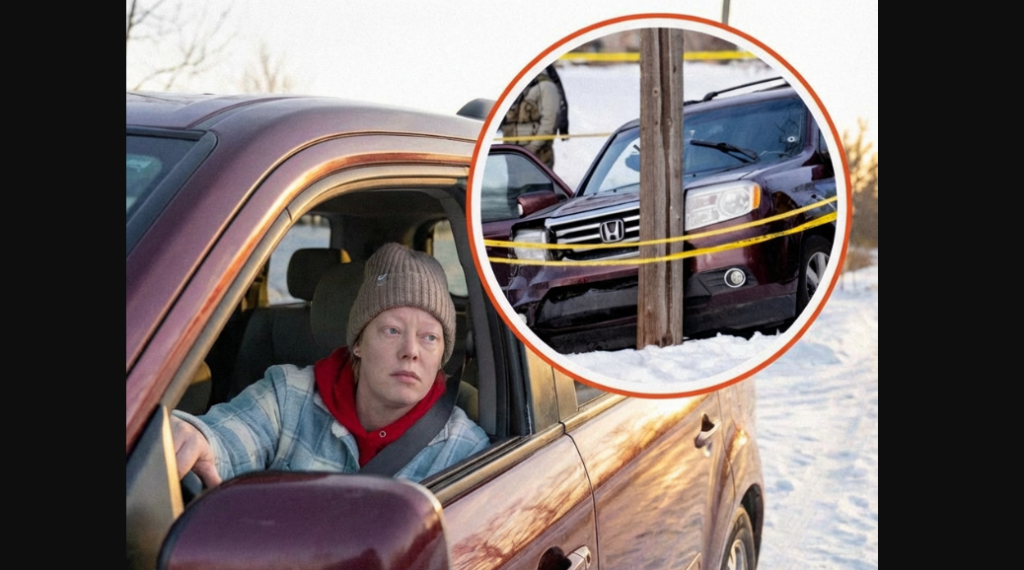
The video, released by a local media outlet, documents agents approaching Renee Good’s vehicle during an enforcement operation in south Minneapolis. In the recording, Good speaks calmly and without visible aggression. Nearby, her wife, Becca, films the interaction and makes lighthearted remarks in an apparent effort to ease the tension. The overall tone in these early moments appears measured, offering little indication of immediate danger.
Viewers watching the footage have noted the absence of raised voices or visible physical confrontation during the initial exchange. This has contributed to public shock over how swiftly the situation changed. As the interaction continues, an agent instructs Good to exit the vehicle, a moment that appears to mark a turning point in the encounter.
Shortly afterward, the SUV is seen moving. The vehicle briefly reverses and then proceeds forward. Almost immediately, gunfire erupts. The recording ends abruptly, providing no further visual context. Separate videos shared online later show the SUV traveling several blocks before coming to a stop. Emergency responders transported Renee Good to a nearby hospital, where she was later pronounced dead.
Federal officials, including representatives from U.S. Immigration and Customs Enforcement, released statements following the incident. According to their account, the agent involved believed his life was at risk and discharged his weapon in what was described as self-defense during a rapidly evolving situation. Authorities confirmed that the agent was placed on administrative leave, a procedural step commonly taken after officer-involved shootings while investigations are underway.
The official explanation has not eased concerns within the community. Eyewitnesses who spoke with local journalists described the encounter as confusing and said it escalated with little warning. Several residents expressed difficulty reconciling what they observed with the outcome, pointing to the calm tone captured in the initial moments of the video.
Community response has been swift and emotional. Vigils were held in the neighborhood where the incident occurred, with neighbors gathering to remember Renee Good and support her family. Protesters have also taken to the streets, calling for transparency, accountability, and a thorough independent investigation into the actions of federal agents operating in residential areas.
Local leaders have voiced concerns regarding the presence and tactics of federal immigration enforcement within city neighborhoods. Questions have been raised about coordination with local authorities, training standards, and the protocols governing use of force. These concerns have added to ongoing debates about jurisdiction, oversight, and public safety.
Legal experts and former law enforcement officials have reviewed the available footage, offering varying interpretations of the events. Some have focused on the commands issued and the vehicle’s movement, while others have emphasized the need to evaluate whether alternative approaches could have reduced the risk of a fatal outcome. The absence of a longer or clearer recording has left room for differing perspectives.
As federal and state investigations continue, jurisdictional tensions remain evident. Officials have emphasized that a full review will examine video evidence, witness statements, and procedural guidelines. Until those findings are released, the short clip continues to serve as a central reference point in discussions unfolding far beyond Minneapolis.
For many observers, the video represents more than a single incident. It has become a symbol of broader concerns about enforcement practices, accountability, and the profound human consequences of decisions made in moments of uncertainty. The loss of Renee Good has left a lasting impact on her family, her community, and a national audience grappling with difficult questions about authority, safety, and responsibility.
As the investigation proceeds, the footage remains a powerful reminder of how quickly situations can change and how deeply those moments can affect lives. The conversation it has sparked shows no sign of fading, continuing to shape public dialogue about enforcement, trust, and the value of human life.