A blood blister can be unsettling to notice for the first time. Its dark red or purplish appearance under the skin often seems to emerge suddenly, drawing immediate concern. While blood blisters are usually not dangerous, they can cause discomfort and may sometimes signal that the skin or underlying tissue has been under more stress than expected. Understanding what a blood blister is, how it forms, and how to care for it properly can help you respond calmly and appropriately when one appears.
Understanding What a Blood Blister Is
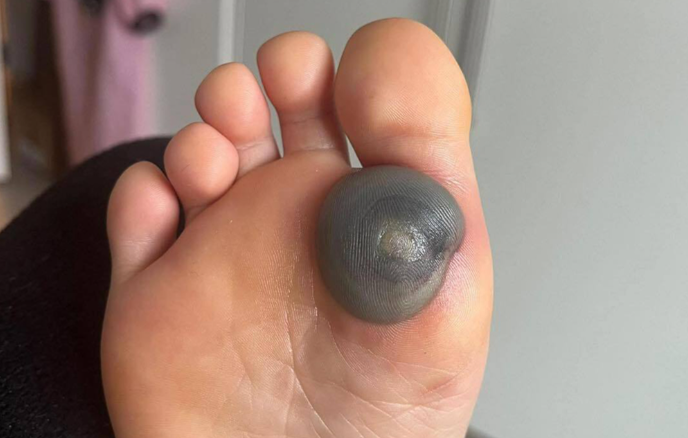
A blood blister forms when small blood vessels, known as capillaries, break beneath the surface of the skin while the outer layer remains intact. Instead of clear fluid, blood collects in the pocket under the skin, creating a raised spot that appears deep red, maroon, or purple. This darker color is what sets blood blisters apart from standard friction blisters.
These blisters often develop in areas of the body that experience frequent pressure or friction. Common locations include the fingers, palms, toes, and soles of the feet. Blood blisters can also occur inside the mouth, appearing on the cheeks, gums, or tongue, where the tissue is more delicate and prone to injury.
Common Causes Behind Blood Blisters
Most blood blisters result from physical stress on the skin. Sudden pinching injuries, repeated rubbing, or sustained pressure can all cause capillaries to rupture beneath the surface.
Typical causes include closing a finger in a door, wearing shoes that apply constant pressure, or handling tools without protective gloves. Sports activities that involve repetitive movements can also contribute, especially when protective equipment is missing or poorly fitted.
Blood blisters inside the mouth often develop after accidental biting, dental work, or irritation from dental appliances. In these cases, the soft tissue inside the mouth is more vulnerable to minor trauma.
Certain individuals may notice blood blisters more frequently. Factors such as thinner skin, circulation challenges, diabetes, or specific blood-related conditions can make the skin more sensitive to pressure and injury.
What Symptoms You May Notice
A blood blister typically appears as a raised, bubble-like area beneath the skin. Its color may range from dark red to nearly black, depending on the amount of blood trapped beneath the surface. Tenderness or pressure-related discomfort is common, especially if the blister forms on a weight-bearing area such as the foot or on the hands.
Mild swelling around the blister may also occur. In most situations, blood blisters resolve naturally within one to two weeks as the body reabsorbs the trapped blood and the skin heals.
Should a Blood Blister Be Popped?
Leaving a blood blister intact is usually the safest approach. The skin covering the blister serves as a natural barrier, protecting the area from bacteria and reducing the risk of infection. Opening the blister prematurely can slow healing and increase irritation.
If a blood blister breaks on its own, gentle care is important. Cleaning the area with mild soap and water, applying an antiseptic, and covering it with a clean bandage can help support proper healing. Keeping the area dry and protected reduces the likelihood of complications.
Simple Home Care for Blood Blisters
For uncomplicated blood blisters, basic care is often sufficient. Reducing friction or pressure on the affected area allows healing to progress more smoothly. Applying a cold compress for short periods can help ease swelling and discomfort.
Wearing well-fitting shoes, cushioned insoles, or protective gloves may prevent further irritation. Avoid applying harsh substances or unproven home remedies, as these can irritate the skin and delay recovery.
Blood Blisters Inside the Mouth
Blood blisters that appear in the mouth can be uncomfortable but often heal quickly due to the mouth’s natural ability to regenerate tissue. Rinsing with warm salt water can soothe irritation and help maintain cleanliness. During healing, it may help to avoid foods that are hot, spicy, or sharp in texture.
If oral blood blisters occur repeatedly or without any clear cause, discussing the pattern with a dentist or healthcare provider can provide reassurance and guidance.
When Medical Advice Is Recommended
There are situations where professional evaluation becomes important. Persistent pain, signs of infection such as redness, warmth, discharge, or fever, or blisters that continue to appear without obvious injury warrant attention. People managing diabetes, circulation concerns, or bleeding disorders may benefit from earlier consultation.
Blisters that do not heal within two weeks or that increase in size should also be assessed. In rare cases, recurring blood blisters can be linked to underlying conditions that deserve further investigation.
Reducing the Risk of Blood Blisters
Preventive steps can lower the likelihood of developing blood blisters. Wearing properly fitted footwear, using protective gear during physical tasks, and cushioning tools can reduce pressure-related injury. Keeping skin moisturized helps maintain flexibility and resilience, making it less prone to damage.
Managing existing health conditions and paying attention to early signs of skin stress can also play a role in prevention.
Final Thoughts
Blood blisters are usually minor injuries caused by pressure or friction, and most heal naturally with minimal care. Although their appearance can be alarming, they are often temporary and harmless. Observing how often they occur, where they form, and how long they take to heal can provide useful insight into whether simple care is enough or whether further evaluation is needed.
Listening to your body and responding thoughtfully ensures that even small signs receive appropriate attention, supporting both skin health and overall well-being.