The kitchen has long been seen as the heart of the home—a space where meals take shape, conversations unfold, and daily life finds its rhythm. It is a room filled with purpose, comfort, and routine, yet even in such a familiar environment, certain details remain surprisingly misunderstood.
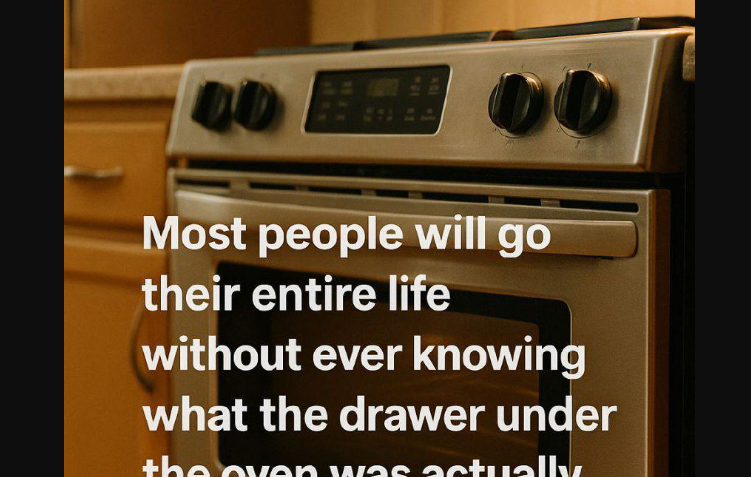
One of the most overlooked features in many kitchens is the drawer positioned directly beneath the oven. Despite its prominent placement, this drawer often goes unnoticed in terms of its original function. Over the years, assumptions have quietly replaced understanding, turning a thoughtfully designed feature into a source of confusion.
In many households, this lower drawer has become a convenient holding place for baking trays, roasting pans, cooling racks, and oversized cookware. Its proximity to the oven makes it feel like a natural storage solution, especially in kitchens where cabinet space is limited. As this habit passed from one generation of homeowners to the next, few people stopped to question whether this was truly the purpose it was designed to serve.
The reality is more nuanced and far more interesting.
In earlier generations of kitchen appliances, particularly gas and electric ovens produced several decades ago, the drawer beneath the oven was commonly engineered as a warming drawer. Its role was not storage, but temperature control. Appliance designers created it to solve a frequent cooking challenge: keeping food warm and ready to serve without continuing to cook it or drying it out.
A warming drawer operates at low, carefully regulated temperatures, typically ranging from approximately 140°F to 200°F. This range allows prepared dishes to remain safe for serving while preserving moisture, texture, and flavor. Unlike the main oven cavity, which generates intense heat, the warming drawer delivers gentle, consistent warmth intended for holding food rather than cooking it further.
This feature was especially valuable during large family meals, holiday gatherings, and multi-dish dinners. Hosts could finish side dishes early, keep them warm, and focus attention on timing the main course. Plates could be warmed in advance, breads kept soft, and sauces held at ideal serving temperatures. The drawer added flexibility to meal preparation and reduced pressure in the kitchen.
As appliance styles evolved, the distinction between warming drawers and storage drawers became less obvious. Many newer ovens include drawers designed only for storage, while others maintain true warming capabilities. From the outside, these drawers often look nearly identical. Without labels, controls, or clear indicators, homeowners naturally assumed they served the same function across all models.
The key difference lies beneath the surface. A true warming drawer contains heating elements, insulation, and sometimes adjustable temperature controls integrated into the oven’s main panel. A storage drawer lacks these components and functions as a simple compartment for cookware. Identifying which type is present in a specific oven requires attention to details that are often overlooked.
The most reliable method for determining a drawer’s function is consulting the appliance’s user manual or manufacturer specifications. Manuals typically explain whether the drawer includes heating elements and provide guidance on safe use. When manuals are unavailable, manufacturers often offer digital copies online using the oven’s model number, which is usually found inside the oven door or along the frame.
Using a warming drawer as storage can introduce safety concerns. Even when the drawer is not actively set to warm, residual heat from the oven above may raise internal temperatures. This warmth can damage cookware, warp metal trays, degrade nonstick coatings, or create risks when flammable materials are stored inside. Restricted airflow caused by overcrowding the drawer may also affect appliance performance over time.
When used as intended, warming drawers offer a range of practical benefits. They excel at holding cooked dishes at serving temperature, keeping plates warm, and maintaining bread without drying it out. Some models also support dough proofing, providing a stable environment for yeast activity—an advantage widely appreciated by experienced home bakers.
Storage-only drawers, on the other hand, function well when used thoughtfully. They are ideal for metal cookware, baking sheets, and oven-safe accessories. Even then, organization matters. Overloading the drawer can strain tracks, affect alignment, and make daily use frustrating. Neat arrangement supports longevity and ease of access.
Maintenance plays an important role regardless of the drawer’s purpose. Crumbs, grease, and debris can accumulate over time, especially in drawers exposed to warmth. Regular cleaning with gentle, non-abrasive products helps preserve functionality and prevents odors. For warming drawers, cleaning should always take place after the unit has cooled completely.
Modern kitchen trends have also influenced how these drawers are used. Minimalist designs and increased demand for storage space have encouraged many homeowners to repurpose warming drawers. At the same time, some newer ovens omit warming functionality entirely, even when the drawer resembles older designs. These shifts reflect changing priorities in kitchen design rather than a flaw in the original concept.
Understanding the drawer beneath the oven goes beyond curiosity. It improves kitchen safety, protects appliances, and enhances cooking efficiency. This often-forgotten feature represents thoughtful engineering aimed at simplifying meal preparation and supporting better timing.
Whether serving as a warming drawer or a storage compartment, its value depends on awareness and proper use. Taking time to understand its intended function allows homeowners to make informed choices, reduce risks, and elevate everyday cooking routines.
What appears to be an ordinary drawer may hold far more purpose than expected—quietly supporting smoother meals, safer kitchens, and a more enjoyable experience at the heart of the home.