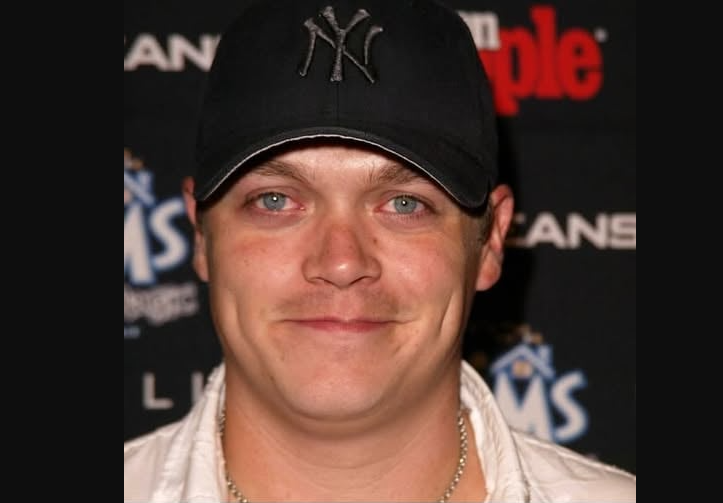
For more than twenty years, Brad Arnold’s voice — textured, powerful, and instantly recognizable — has been the center of some of rock music’s most memorable songs. As the lead singer of 3 Doors Down, he carried tracks that became part of many people’s daily lives, including “Kryptonite,” “Here Without You,” and “It’s Not My Time.” His music often reflected themes of inner struggle, strength, love, and endurance. In 2025, those very themes that shaped his songwriting unfolded in a deeply personal and life-altering way for him.
When Arnold addressed his fans with a sincere announcement, he shared that he had been diagnosed with stage 4 clear cell renal carcinoma, a form of kidney cancer that had already spread to his lungs. The diagnosis came with another painful decision: 3 Doors Down would cancel their scheduled summer 2025 tour, which included many planned concerts across the United States. The news reached fans with the emotional weight of a story that suddenly became more real than any song lyric.
The turning point arrived on May 7, 2025. Through a video shared on Instagram, Arnold explained that he had been feeling unwell for several weeks. After going to the hospital for tests, doctors told him what no person — musician or not — ever expects to hear. The cancer was advanced and had already metastasized. His tone was open and sincere, and the message resonated immediately with thousands who had followed his career for years.
Clear cell renal carcinoma is the most common kidney cancer among adults. Arnold’s stage 4 diagnosis meant the cancer had already reached distant parts of his body, particularly his lungs. This stage is known for its medical complexity and the need for multiple forms of treatment, including immunotherapy, targeted medications, and sometimes radiation or surgery to ease symptoms. The challenge is significant, and data shows that metastatic kidney cancer has a five-year survival rate of around ten percent, underscoring the seriousness of the situation.
Even with the weight of this news, Arnold’s response revealed a sense of calm, emotional depth, and spiritual grounding. In his message, he acknowledged the severity of his condition, yet his voice carried unwavering faith. He said, “We serve a mighty God, and He can overcome anything,” sharing that fear did not have a place in his outlook. These were not words spoken for attention, but words rooted in belief and resilience.
Arnold has spoken openly in the past about the important role his Christian faith has played in his personal life, including during earlier challenges. His request for fans to keep him in their prayers came from a place of sincerity. This vulnerability created a powerful connection between him and the public, revealing a man facing one of life’s most difficult trials with courage and honesty.
Before the diagnosis, 3 Doors Down had planned a wide-ranging summer tour. The schedule included concerts across many states, as well as co-headlining shows with other well-known bands. When Arnold announced the cancellations, fans were disappointed but understood the gravity of the circumstances. Venues like the Alaska State Fair confirmed the changes, issuing refunds and expressing support for Arnold’s health journey. The stage lights, crowds, and tour buses were replaced with time devoted entirely to treatment and recovery.
To understand why fans reacted so strongly, one must consider the emotional bond created by 3 Doors Down’s music. Many listeners have connected deeply with Arnold’s lyrics, finding meaning in songs about longing, endurance, and overcoming hardship. Now, those songs carry a new layer of significance. Fans shared how certain lines felt different, more personal, as though the music had predicted the emotional landscape Arnold is navigating today.
The medical reality behind stage 4 clear cell renal carcinoma is complex. This cancer begins in the kidney’s filtering cells. While early detection often allows for effective surgery, metastatic cases require long-term treatment strategies. Doctors may employ immunotherapy to help the immune system recognize and fight cancerous cells, or targeted therapy to interrupt specific pathways that fuel tumor growth. Sometimes radiation is used to ease pain in affected areas, and surgery may be performed to remove problematic tumors. Even with progress in treatment, this stage remains a serious clinical challenge.
The response from fans, fellow artists, and the broader music community has been overwhelming. Messages of love, support, and shared memories continue to pour in from around the world. Musicians from various genres have publicly offered their encouragement. Fans have opened up about their own hardships, sharing how Arnold’s songs helped them through difficult moments. The collective support has created an atmosphere of compassion and solidarity that extends far beyond concerts and albums.
Arnold has also spoken about the vital support he receives from his wife and close loved ones. Their presence has provided strength and comfort as he navigates the emotional and physical demands of treatment. His reflections highlight that illness affects more than the body — it challenges the spirit, reshapes relationships, and shifts priorities. He has emphasized that peace, faith, and emotional grounding are guiding him through the uncertainty ahead.
As Arnold’s medical journey continues, treatment plans will evolve based on how his body responds. Although no clinical outcome can be predicted with certainty, modern therapies offer possibilities that did not exist years ago. Some individuals with advanced cancer experience meaningful periods of remission or stability, giving them valuable time and improved quality of life.
At 46, Arnold’s openness about his diagnosis has reminded many of the delicate and unpredictable nature of life. His willingness to share his fears, faith, and determination bridges the gap between celebrity and listener. It turns admiration into connection, and music into a shared human experience.
Even though the band’s future touring plans are uncertain, 3 Doors Down’s music continues to hold deep meaning for listeners. Songs that once played during carefree drives or emotional turning points now offer comfort and strength to both Arnold and his fans. His remark that this season of life feels like “It’s Not My Time” carries a powerful emotional truth — one that fans have embraced with hope.
Brad Arnold’s story is still unfolding. His journey reflects courage, faith, transparency, and the lasting power of music to create community. Whether the future brings remission, long-term stability, or a deeper spiritual path, his voice — in his words and in his music — continues to resonate far beyond the stage.
His experience stands out in a world filled with fleeting celebrity moments. It is a story of humanity, strength, love, and the profound connections that form through the art of song. And as he moves forward, supported by fans, family, and faith, hope remains a steady rhythm guiding him into the next chapter.