Cruelty toward animals is widely recognized as a reflection of diminished empathy, and it often provokes strong emotional responses throughout society. Whether the behavior is intentional or the result of carelessness, any act that causes distress or harm to a defenseless creature reminds us of the ethical obligations humans have toward other living beings.
Over time, increased awareness and improved legal protections have offered animals greater safety, with advocacy groups, rescue organizations, and enforcement agencies working continuously to promote humane treatment.
Even with progress, incidents still arise that highlight the need for constant vigilance, accountability, and open conversation about how animals should be treated. In today’s digital world, such stories can spread rapidly, especially when they involve a person stepping in to protect an animal or standing up against mistreatment.
Social media platforms amplify these narratives, drawing widespread attention and inspiring debates that often reach far beyond the people involved. Discussions frequently extend into areas such as responsibility, parenting, community expectations, and the importance of empathy.
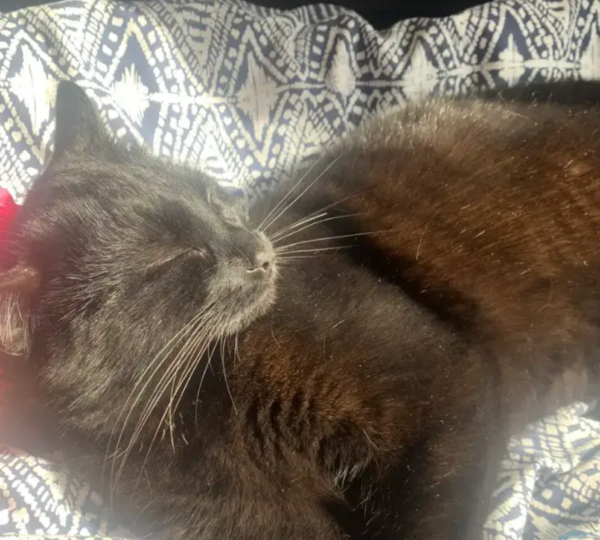
One recent example that captured public attention involved Shannon Cooper and her neighbor’s child. According to Shannon, the situation unfolded when she noticed the child pouring water over her cat as it sat quietly on a backyard fence.
The cat, a well-cared-for family pet, reacted with discomfort and confusion. The child laughed while continuing the behavior, seemingly unaware of the distress being caused. Witnessing this, Shannon felt a surge of protective instinct and immediate concern for the cat’s safety and well-being.
Acting on reflex, she responded by pouring water back onto the child. Shannon later described the moment as an attempt to communicate that actions affecting another living being carry consequences. She hoped the experience would help the child understand that animals feel discomfort and that such behavior is not acceptable. Afterward, Shannon shared the story on the social platform X, writing, “Don’t touch my cat,” along with a brief explanation of what had occurred.
The post resonated deeply with animal lovers who related strongly to her protective reaction. Many commenters praised the response as an example of setting boundaries and defending a vulnerable pet. Supporters noted that the water caused no lasting harm to the child while sending a clear message about respecting animals. Numerous parents joined the discussion, emphasizing that teaching children to treat animals with care from a young age helps develop lifelong patterns of empathy and responsibility.
Still, the incident also drew a wave of disagreement. Some argued that Shannon should have contacted the child’s parents instead of responding directly. Critics expressed concern that mirroring the child’s behavior might send a confusing message and suggested that adults should model calm, constructive problem-solving.
They advocated for approaches focused on explanation and guidance, underscoring the importance of helping children understand the impact of their actions in a supportive way.
The debate quickly expanded to broader themes involving discipline, moral development, and the way children learn empathy. Many noted that experiential lessons are important for understanding compassion, yet they also stressed the significance of choosing methods that encourage reflection rather than retaliation. From this perspective, alternative strategies—such as speaking gently with the child, demonstrating how animals can be harmed by such behavior, or involving caregivers—were offered as potentially more effective ways to teach empathy.

In a follow-up post, Shannon clarified that the situation had not resulted in ongoing conflict. She stated that the child and his father eventually found humor in the story and that the cat remained safe and unharmed. This helped soften public concerns, providing context that the incident ended with understanding rather than tension.
The story’s online momentum demonstrated how quickly small neighborhood moments can evolve into national conversations. Animal welfare advocates highlighted the importance of teaching children respect for pets and wildlife. Others reflected on the responsibility adults hold when modeling behavior in their communities. The incident also encouraged dialogue about the emotional connections between humans and animals and how protecting a pet can trigger strong instinctive reactions.
Legal and educational frameworks reinforce this shared responsibility. Many countries have established laws against animal mistreatment, alongside programs that teach children about compassion and care. Real-life experiences, even those that unfold on a small scale, often bring these lessons to life in powerful ways.
Shannon Cooper’s story embodies the intersection of animal welfare, child development, and community values. It illustrates how adults navigate the balance between protecting animals and guiding young people toward empathy. It also reflects how modern communication platforms transform personal moments into cultural touchpoints that encourage reflection and discussion.
Ultimately, the story demonstrates that even small actions can ignite meaningful conversations about compassion, accountability, and the ethical treatment of animals. It reminds readers that teaching kindness requires consistent guidance, thoughtful intervention, and a commitment to nurturing empathy in future generations.