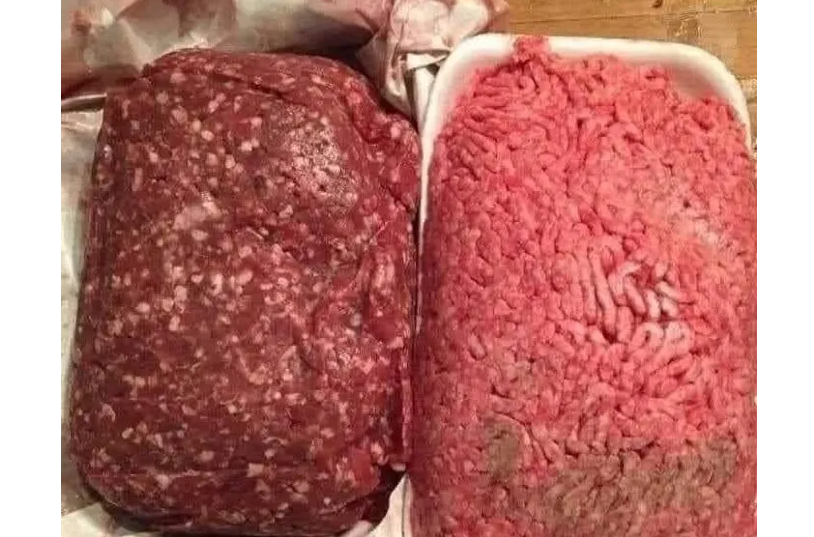
Choosing the food you bring into your home is one of the most personal decisions you make each day. For many older adults, especially those who grew up close to farming communities or remember buying meat from familiar local butchers, the choice between store-bought beef and farm-raised beef carries emotional weight. It is not only a practical matter; it is connected to memories, quality, and confidence in what you are preparing for yourself and your family.
As interest increases in nutritious foods and sustainable farming, more people are taking time to understand how their beef is produced. Whether someone prefers shopping at a large supermarket or has a strong appreciation for supporting nearby farms, learning about these differences offers a clearer understanding of what ends up on the plate.
This guide explores the qualities that distinguish store-bought beef from farm-raised beef, with attention to taste, sourcing, and how each option fits into today’s food culture.
The Quality and Taste of Your Beef
For many shoppers, flavor is the first noticeable difference. People who have enjoyed beef from small family farms often describe the taste as fuller, richer, and reminiscent of meals from earlier decades when locally raised meat was more common.
Farm-raised beef, especially from smaller operations, usually comes from cattle that spend more time outdoors. Many begin with a grass-based diet and may be finished with grains to enhance tenderness and flavor. This kind of upbringing can create beef with firmer texture, natural marbling, and a more pronounced taste.
Supermarket beef is generally sourced from larger commercial producers. These cattle are often raised in feedlots designed for efficiency and consistency. They receive grain-rich diets and live in structured environments that allow predictable growth. This approach results in beef that looks uniform and tender, which many shoppers recognize and rely on. Some people, however, feel that beef from large producers offers a milder flavor compared to beef raised on pasture.
How Diet and Environment Shape the Beef You Eat
The lifestyle of the cattle plays a significant role in the characteristics of the meat. Terms such as grass-fed, grain-finished, and pasture-raised help describe how the animals lived.
Cattle on small farms often move more and grow on diverse natural forage. This can create meat with slightly denser structure and deeper flavor. Many farmers take pride in their methods, offering cattle balanced diets and attentive care, which can influence the final product in ways consumers appreciate.
Store-bought beef usually comes from herds raised in large systems with carefully controlled diets. Feedlot environments promote predictable yields and steady supply. The beef is consistent in color, shape, and tenderness, which helps stores keep shelves well-stocked.
The Experience of Buying Local Beef
Purchasing beef directly from a farm is often a more personal experience than buying from a supermarket. Many people enjoy speaking with the farmers, learning how the cattle were raised, and understanding what makes their beef unique. This direct connection builds trust and offers a level of transparency not always available in large stores.
Supermarkets offer advantages as well. They provide wide selections, stable pricing, and convenient access for busy households. For many families, this reliability is helpful and practical.
Price, Value, and What You Receive for Your Money
Farm-raised beef can sometimes be more expensive because small farms invest significant time, care, and resources into raising cattle in thoughtful ways. Many customers feel the flavor, quality, and personal trust justify the price. Buying larger quantities directly from farms can also reduce cost per pound and supply a household for months.
Store-bought beef is typically more affordable due to large-scale production and high distribution efficiency. Sales and promotions make it easy to manage grocery budgets while still enjoying a variety of cuts.
Choosing the Beef That Suits Your Life
There is no single approach that fits every household. Both store-bought and farm-raised beef can be part of a balanced, satisfying diet. The best choice is the one that aligns with your preferences for flavor, sourcing, value, and peace of mind.
For those who appreciate local agriculture, want more insight into how their food is raised, or enjoy a more traditional flavor, farm-raised beef can be a rewarding option. For those who prefer consistency, affordability, and convenience, supermarket beef remains a dependable part of everyday meals.
Understanding where your beef comes from gives you the tools to choose with confidence. It allows you to focus on quality, taste, and the sense of trust that matters each time you gather at the table.