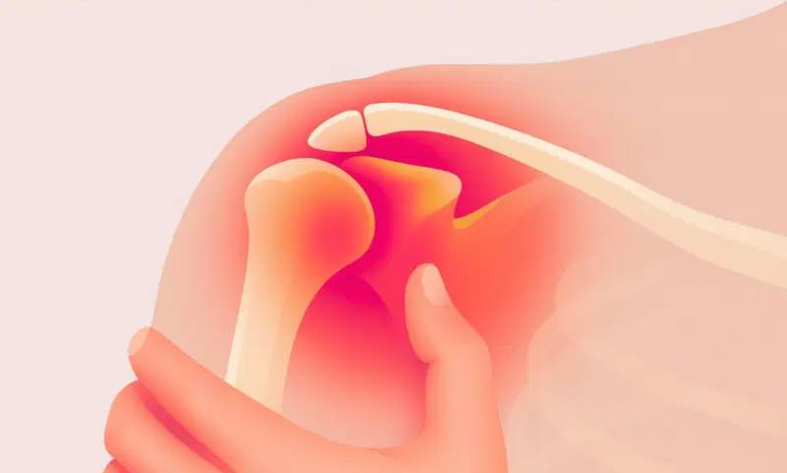
The human body is not only a biological machine made of muscles and bones. It is also a sensitive messenger. When emotions stay unspoken or suppressed, the body often becomes the channel through which they emerge. Pain can become the language of what the heart is unable to express in words.
Shoulder pain: a physical symptom with emotional weight
Shoulder discomfort is incredibly common, yet it carries a depth that goes beyond physical strain. Emotionally, the shoulders often symbolize responsibilities we carry—pressures, expectations, duties, and worries that accumulate over time. When emotional burdens grow heavier than we realize, the body frequently responds through the shoulders.
The connection between mind and body
The shoulder and its symbolic role
From a functional perspective, the shoulders allow us to lift, reach, protect, and take action. In an emotional sense, they represent what we support, what we hold onto, and what we feel responsible for. When someone carries too much—mentally or emotionally—the shoulders often mirror that weight through tightness, stiffness, or pain.
Posture as an emotional indicator
Body posture can reveal more about internal states than we often acknowledge. Raised, tense, or rounded shoulders may reflect worry, sadness, or emotional fatigue. Over time, these postures can turn emotional strain into physical discomfort, reinforcing a cycle that blends psychological and physical tension.
Emotional origins of shoulder pain
Biodecoding perspectives suggest that many physical symptoms may be linked to emotional patterns. Shoulder pain commonly reflects:
1. Over-responsibility and emotional load
People who feel obligated to support others—emotionally or practically—often accumulate tension in the shoulders. When someone constantly tries to hold everything together, the body may respond to that effort.
2. Guilt, overwhelm, or fear of failure
When an individual carries guilt or worries about disappointing others, tension can settle into the shoulders. Pain may appear when a person feels unsupported or unsure how to ask for help.
3. Difficulty releasing control
Those who strive for perfection or who fear letting others take over often tense the upper body. Learning to trust the process and allow situations to unfold can play a meaningful role in healing this discomfort.
Right shoulder vs. left shoulder meanings
Right shoulder: work, duty, and outward responsibilities
Pain here often aligns with professional demands, goals, obligations, or tasks that feel unavoidable.
Left shoulder: emotions, family ties, and unresolved memories
Pain on the left side may reflect emotional stress connected to loved ones, the past, or sensitive personal matters.
Shoulder pain and daily stress
Muscle tension as emotional expression
Chronic stress increases cortisol, which tightens muscles—especially in the shoulders and neck. Pain may appear as the body’s signal that balance is needed.
The pressure of perfectionism
Feeling the need to excel or stay strong for others can physically manifest as tension. Many people describe the sensation as carrying the weight of everything on their shoulders.
Emotional approaches to easing shoulder pain
1. Recognizing emotions instead of suppressing them
Healing often begins when a person acknowledges the emotions behind the tension—stress, sadness, fear, anger, or exhaustion.
2. Relaxation and emotional release practices
Gentle stretching, slow breathing, yoga, warm compresses, or body relaxation techniques can help soften built-up tension.
3. Mindfulness and personal awareness
Daily emotional habits such as journaling, meditation, or scanning the body for tight areas support a healthier relationship with emotions before they become physical symptoms.
Caring for both physical and emotional health
When to seek professional help
Persistent or intense pain should be examined by a medical professional to rule out injuries or underlying conditions.
Integrating physical and emotional approaches
Long-term healing is most effective when both aspects are addressed. Therapies such as holistic physiotherapy, biodecoding, or body-centered counseling can help people understand and release emotional patterns that influence physical discomfort.