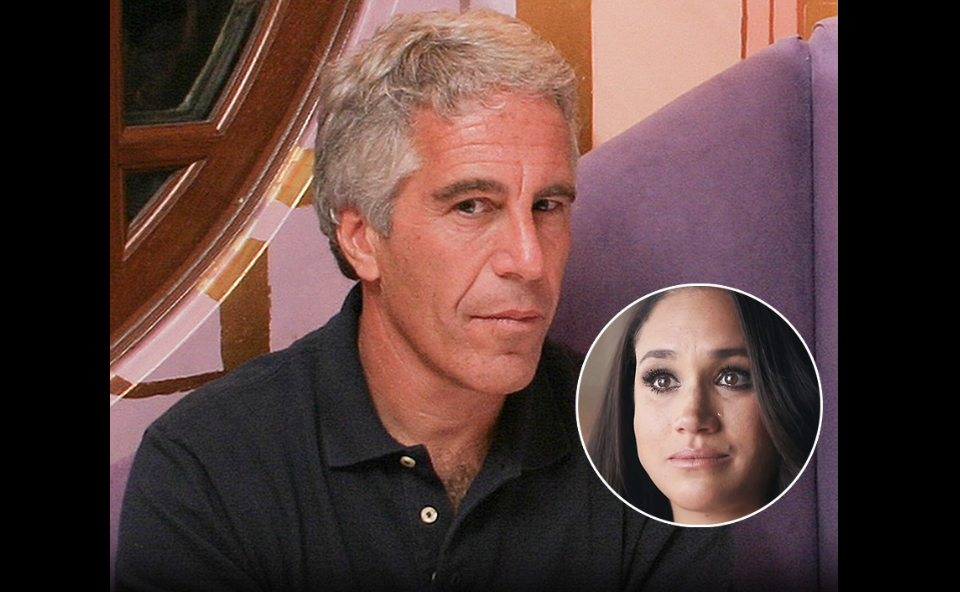
The release of documents connected to Jeffrey Epstein has reignited global discussion. Millions of pages disclosed by the United States Department of Justice have renewed scrutiny of Epstein’s network and the handling of previous investigations, prompting international interest in the scope of the material.
While much of the earliest coverage focused on well-known men such as Prince Andrew, Donald Trump, and Peter Mandelson, attention is increasingly expanding toward women whose names appear throughout the archive. Officials continue to stress that being mentioned in the documents does not imply wrongdoing or involvement in criminal activity.
Among the individuals gaining renewed attention is Sarah Ferguson, whose name appears in reference to social interactions and travel occurring within Epstein’s wider circle. Media reports note correspondence and contextual links that have resurfaced as the disclosures spread, prompting questions from the public despite repeated clarification from authorities regarding the nature of these entries.
Public interest has also extended to her daughters, Princess Beatrice and Princess Eugenie, whose names surfaced in portions of the released material. Authorities have again emphasized that their mention in archived documents does not indicate misconduct of any kind.
Reports circulated in recent coverage also suggest that Sarah Ferguson has maintained a low profile, with references noting time spent at the Paracelsus Recovery Clinic, a private Swiss facility recognized for its discretion and care for high-profile clients.
The documents additionally reference philanthropic and political figures, including Melinda French Gates, as well as former and current public leaders such as Hillary Clinton, Michelle Obama, Kamala Harris, Nancy Pelosi, and Nikki Haley. Their names generally appear in contexts relating to correspondence, events, or broad social networks documented over several decades.
The disclosures also list entertainment figures such as Naomi Campbell, Alyssa Milano, Whoopi Goldberg, and Amy Schumer, typically in relation to event attendance, philanthropic functions, or social settings.
Overall, the newly released materials illustrate the extensive reach of Epstein’s social connections across royalty, politics, philanthropy, and entertainment. Officials continue to emphasize that inclusion in the documents should not be interpreted as evidence of wrongdoing.
The scale of the disclosures has renewed calls for transparency and broader reflection on how influence, access, institutional oversight, and public accountability intersect. As analysts continue to review the vast archive, conversations regarding systemic responsibility, past investigative decisions, and the societal implications of high-profile networks are expected to continue for months ahead.