Eggs are a common staple in many kitchens. They are budget-friendly, adaptable to countless recipes, and rich in protein and essential nutrients. From breakfast scrambles to baked goods, eggs play a central role in daily meals.
Like all perishable foods, eggs can spoil. Eating a spoiled egg may lead to foodborne illness, which can cause uncomfortable and sometimes serious symptoms. Knowing how to identify the signs of spoilage is especially important after boiling them. Although boiling destroys many harmful bacteria, it does not make a spoiled egg safe to eat.
Here is a complete guide to help you determine whether a boiled egg has gone bad.
1. Check the Egg Before Boiling
Preventing problems begins before cooking. One of the most dependable ways to test freshness is the water test.
Fill a bowl with cold water and gently place the egg inside.
-
If the egg sinks and lies flat on the bottom, it is fresh.
-
If it sinks but stands upright, it is older and should be used soon.
-
If it floats to the surface, it has likely spoiled and should be discarded.
Eggs float because moisture and carbon dioxide gradually escape through the porous shell over time. As air enters the egg, the internal air pocket expands. The larger this pocket becomes, the more buoyant the egg is in water.
In addition to the water test, examine the shell carefully. Avoid using eggs that are cracked, leaking, slimy, or coated with a powdery residue. An unusual odor before cooking is also a warning sign.
2. Notice Any Unusual Smell During Boiling
While the eggs are boiling, pay attention to any strong odors coming from the pot. Fresh eggs produce only a mild scent when cooked.
A slight sulfur smell may occur if eggs are overcooked. This is normal and results from a chemical reaction between sulfur in the egg white and iron in the yolk. It does not indicate spoilage.
However, if you detect a sharp, rotten, or overpowering foul odor during boiling, discard the eggs immediately. If a shell cracks open in the pot and releases an unpleasant smell, that egg has likely spoiled.
Trust your sense of smell. It is often the first indicator that something is wrong.
3. Examine the Egg After Peeling
Once the egg has cooled, peel it and inspect it carefully before eating.
Smell
The most reliable way to identify a spoiled egg is by smell. A bad egg gives off a strong, sulfurous, or rotten odor that is difficult to ignore. If the scent seems unpleasant or unusual, do not taste it. Dispose of the egg immediately.
Appearance of the Egg White
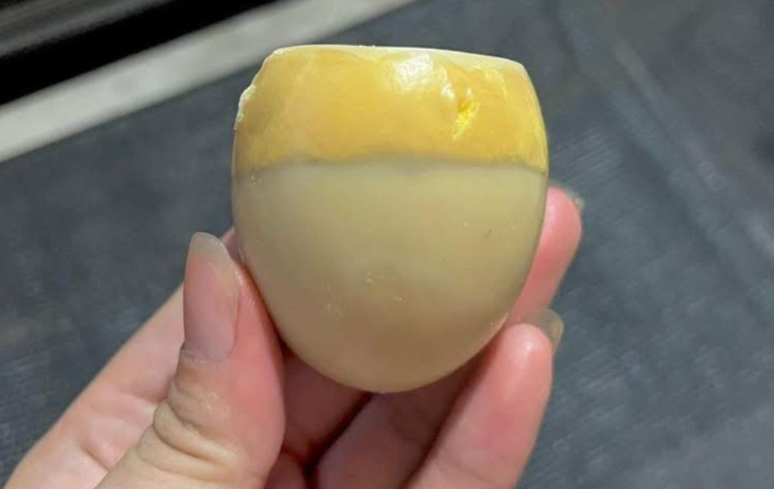
The egg white of a properly boiled egg should appear firm, smooth, and slightly glossy. It should hold its shape without appearing excessively watery. If the white looks discolored, unusually thin, or slimy, it may not be safe to eat.
Appearance of the Yolk
A fully cooked yolk should be solid and yellow. Minor color variations can occur depending on cooking time. If you notice dark spots, odd discoloration, or a strange texture, avoid consuming the egg.
It is important to recognize that a greenish-gray ring around the yolk does not mean the egg is spoiled. This ring forms when eggs are overcooked and sulfur reacts with iron. While it may affect appearance, it is not harmful.
4. Consider Storage Time
Storage plays a major role in egg safety. Hard-boiled eggs should be kept refrigerated and eaten within one week. Store them in a covered container to reduce moisture loss and protect them from absorbing odors from other foods.
If boiled eggs have been left at room temperature for more than two hours, they should be discarded. Bacteria multiply rapidly between 40°F and 140°F, a range often referred to as the temperature danger zone.
If you are unsure when the eggs were prepared, err on the side of caution and avoid eating them.
5. Never Taste-Test a Suspicious Egg
If an egg appears questionable in smell or appearance, do not taste it to check. Even a small bite of spoiled egg can lead to symptoms such as nausea, vomiting, stomach cramps, or diarrhea. Food safety should always take priority over avoiding waste.
Final Thoughts
Recognizing a spoiled boiled egg is straightforward when you focus on smell, appearance, and storage time. Perform the water test before cooking, remain alert to unusual odors while boiling, and inspect the egg carefully after peeling.
When uncertainty arises, discard the egg. Safeguarding your health is far more valuable than saving a single serving of food.