Skin in the groin area experiences constant stress. Heat builds quickly in this region, especially during warmer months or long periods of sitting. Sweat collects easily. Clothing rubs against the skin. Tight waistbands and synthetic fabrics can trap moisture. Hair removal methods such as shaving or waxing add another layer of irritation.
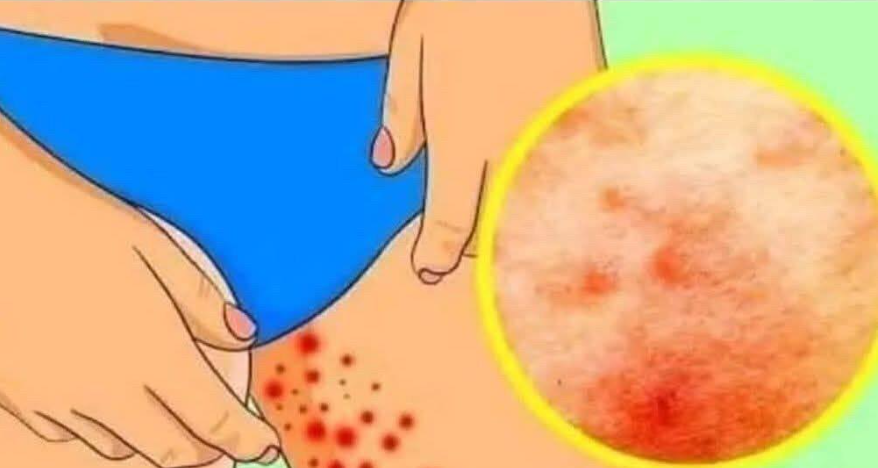
Because of all these factors, redness, bumps, and discomfort in the groin are common concerns. In many cases, the cause is minor and manageable at home. One of the most frequent reasons for small, irritated bumps in this area is an ingrown hair.
An ingrown hair develops when a hair that has been shaved, waxed, or plucked begins to grow back into the skin instead of rising straight out of the follicle. As it curls beneath the surface, the body treats it as an irritant. This reaction can lead to a small red bump that may itch, feel tender, or appear slightly swollen.
Sometimes the bump looks similar to a pimple. It may contain a visible hair trapped under the skin. In some cases, the area becomes more inflamed, especially if bacteria enter through tiny breaks in the skin caused by shaving.
The groin area is particularly prone to ingrown hairs because the hair there tends to be coarse and curly. Curved hair is more likely to re-enter the skin as it grows. Friction from underwear and movement throughout the day can push the hair sideways, increasing the chance of it becoming trapped.
Although ingrown hairs can be uncomfortable, they are usually not serious. Many resolve on their own with simple care. The first step is to reduce irritation and allow the skin to calm down.
Warm compresses can be helpful. Applying a clean, warm cloth to the area for several minutes softens the skin and may encourage the trapped hair to move closer to the surface. Repeating this once or twice daily often improves comfort.
Gentle exfoliation can also support healing. Using a soft washcloth or mild exfoliating product helps remove dead skin cells that may be blocking the hair follicle. Harsh scrubs or aggressive rubbing should be avoided, as they can worsen inflammation.
Loose, breathable clothing makes a difference. Cotton fabrics allow better airflow and reduce moisture buildup. Avoiding tight waistbands or restrictive garments gives the skin space to recover.
Taking a break from shaving or waxing is another important step. Continuing hair removal over irritated skin can prolong healing. Allowing hair to grow naturally for a short period reduces additional trauma to the follicles.
It may be tempting to squeeze or pick at a bump, especially if it resembles a pimple. This approach often causes more harm than benefit. Squeezing can push bacteria deeper into the skin, increasing the risk of infection. It can also lead to scarring or dark marks in an already sensitive area.
In most cases, patience and gentle care lead to improvement within several days. Over-the-counter products containing mild antibacterial or soothing ingredients may provide additional relief. If redness spreads, pain intensifies, or pus develops, medical evaluation is advisable to rule out infection.
Other conditions can sometimes resemble ingrown hairs. Folliculitis, a mild infection of hair follicles, produces small red bumps that may look similar. Cysts or boils can form if bacteria become trapped under the skin. If bumps are recurring, unusually painful, or accompanied by fever, a healthcare professional should assess the situation.
Preventing future ingrown hairs involves adjusting grooming habits. Shaving in the direction of hair growth reduces irritation. Using a sharp, clean razor minimizes tugging on the hair. Applying a moisturizing shaving gel or cream decreases friction. After shaving, a gentle moisturizer helps maintain skin barrier health.
For individuals who frequently experience ingrown hairs, trimming rather than shaving may lower risk. Laser hair reduction is another option some people consider after discussing it with a qualified provider.
The groin area is naturally sensitive and exposed to constant movement and moisture. Occasional irritation is common and often manageable with simple steps. Paying attention to skin care habits and responding early to small bumps can prevent more significant discomfort later.
Understanding the causes behind these changes supports informed decisions. With proper care, most ingrown hairs resolve without complications, allowing the skin to return to a more comfortable and balanced state.