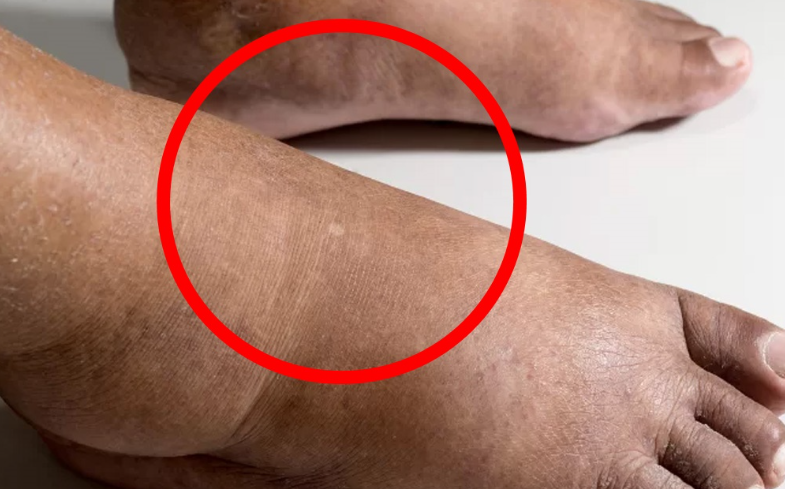
Swollen feet are a common concern that many people experience at some point in life. The condition often appears as puffiness or enlargement in the feet and ankles caused by fluid accumulation in body tissues. In medical terminology, this condition is known as edema.
Although swelling can develop for many different reasons, recognizing the early signs and understanding possible causes can help individuals respond appropriately and support overall foot health.
For many people, swelling appears gradually. Shoes that normally fit comfortably may begin to feel tighter. The skin around the feet may look stretched, shiny, or slightly discolored. Some individuals notice that pressing gently on the swollen area leaves a small indentation that takes several seconds to disappear. This is referred to as pitting edema, a common physical sign associated with fluid retention.
While occasional swelling can happen after a long day of standing or sitting, persistent or unusual swelling should never be ignored. The feet carry the body’s weight throughout the day, and circulation in the lower extremities must work against gravity. When circulation slows or fluid balance changes, swelling may develop as a result.
Common Causes of Foot Swelling
Several everyday factors can contribute to swollen feet. Spending long periods standing or sitting in one position may slow circulation in the legs. Warm temperatures can also expand blood vessels, encouraging fluid to move into surrounding tissues. High salt intake may cause the body to retain water, which can lead to swelling in various areas, including the feet.
Pregnancy is another frequent cause. During pregnancy, the body naturally holds more fluid while the growing uterus places pressure on blood vessels in the pelvis. This can reduce the return of blood from the legs, leading to temporary swelling in the feet and ankles.
Other possible causes may include poor circulation, injuries, infections, or underlying health conditions affecting the heart, kidneys, or liver. Certain medications may also lead to fluid retention as a side effect.
When Swelling Requires Medical Attention
Although mild swelling can occur occasionally, some situations require professional evaluation. Medical attention should be considered if swelling develops suddenly without a clear reason. Swelling that appears in only one foot, especially when accompanied by pain, warmth, or redness, may indicate a more serious condition.
Shortness of breath, chest discomfort, or sudden swelling combined with breathing difficulty should always be treated as a medical emergency. These symptoms may indicate complications requiring immediate care.
Understanding these warning signs allows individuals to distinguish between temporary swelling and symptoms that require prompt medical attention.
Natural Herbs That May Support Circulation and Reduce Swelling
In addition to medical guidance, some people explore herbal approaches to support circulation and reduce mild swelling in the feet. Traditional herbal remedies have been used for generations to promote comfort and improve blood flow. Although these natural options may provide supportive benefits, they should complement professional care rather than replace it.
Below are several herbs that are often discussed in relation to circulation and swelling.
1. Ginkgo Biloba
Ginkgo biloba is widely recognized for its potential to support healthy circulation. The herb contains compounds that help expand blood vessels, allowing blood to move more easily through the body. Its antioxidant properties may also help protect blood vessels from oxidative stress.
Ginkgo is available as capsules, extracts, or topical creams designed for external use.
2. Calendula
Calendula is a flowering plant valued for its soothing and anti-inflammatory properties. Herbal traditions often use calendula to support skin comfort and circulation in the extremities. Foot soaks prepared with calendula infusion may help relax tired feet and encourage improved blood flow.
Calendula creams and ointments are also available for topical application.
3. Butcher’s Broom
Butcher’s broom has long been associated with supporting vascular health. The plant contains natural compounds that may strengthen blood vessel walls and encourage circulation in the legs and feet. Supplements containing butcher’s broom extract are commonly available in herbal stores.
Topical preparations may also be applied to the feet during massage to promote relaxation.
4. Chamomile
Chamomile is widely known for its calming effects. In addition to relaxation benefits, chamomile possesses anti-inflammatory qualities that may help reduce mild swelling. A warm chamomile foot soak can soothe tired feet after a long day.
Chamomile tea can also support relaxation, which may indirectly help circulation by reducing stress-related tension.
5. Ginger
Ginger root has been used for centuries in traditional herbal practices. Its natural compounds may stimulate circulation and help reduce inflammation in the body. Ginger tea or meals prepared with fresh ginger may provide gentle circulatory support.
Some individuals also use diluted ginger oil for gentle foot massage.
6. Witch Hazel
Witch hazel is known for its astringent properties. It may help tighten tissues and reduce swelling when applied externally. Cold compresses prepared with witch hazel extract can be placed on the feet to provide a cooling and soothing effect.
7. Horse Chestnut
Horse chestnut extract is commonly used in herbal preparations intended to support circulation in the legs. Compounds found in the plant may help strengthen blood vessels and support healthy blood flow.
Creams and gels containing horse chestnut are often used during foot massages to promote comfort.
8. Dandelion
Dandelion has traditionally been used as a natural diuretic. By supporting the body’s ability to eliminate excess fluid, it may help reduce mild swelling in certain situations. Dandelion tea prepared from dried root or leaves is one of the most common ways to use this herb.
9. Rosemary
Rosemary is valued for its stimulating and invigorating properties. It may support circulation and reduce feelings of heaviness in the feet. Rosemary oil diluted in carrier oil can be used during a gentle foot massage to encourage blood flow.
10. Turmeric
Turmeric contains curcumin, a compound widely recognized for its anti-inflammatory and antioxidant properties. Incorporating turmeric into meals or herbal beverages may support overall wellness and reduce inflammation.
Example: Dandelion Foot Soak Preparation
A simple herbal preparation using dandelion root may provide a relaxing experience for tired feet.
Ingredients
• One tablespoon dried dandelion root
• One cup hot water
• Optional honey or lemon for flavor
Preparation
Bring water to a boil and remove it from heat. Add the dried dandelion root to the hot water and cover the container. Allow the mixture to steep for approximately ten to fifteen minutes so the herbal compounds can infuse into the water.
Strain the liquid to remove the root.
Allow the infusion to cool until it reaches a comfortable temperature.
Pour the liquid into a container large enough for soaking the feet. Place the feet into the infusion and allow them to soak for fifteen to twenty minutes. Afterward, gently dry the feet with a soft towel.
A Balanced Approach to Foot Health
Natural herbal approaches can complement healthy daily habits that support circulation. Regular movement, comfortable footwear, proper hydration, and balanced nutrition all contribute to maintaining healthy feet.
Individuals considering herbal remedies should consult a healthcare professional, particularly if they have underlying health conditions or take prescription medications. Professional guidance ensures that herbal approaches remain safe and appropriate for each individual situation.
Swollen feet may feel uncomfortable, yet understanding the causes and supportive options can help individuals respond with greater confidence. By combining awareness, healthy habits, and appropriate medical care, many people can successfully manage occasional swelling while supporting long-term circulation and comfort.