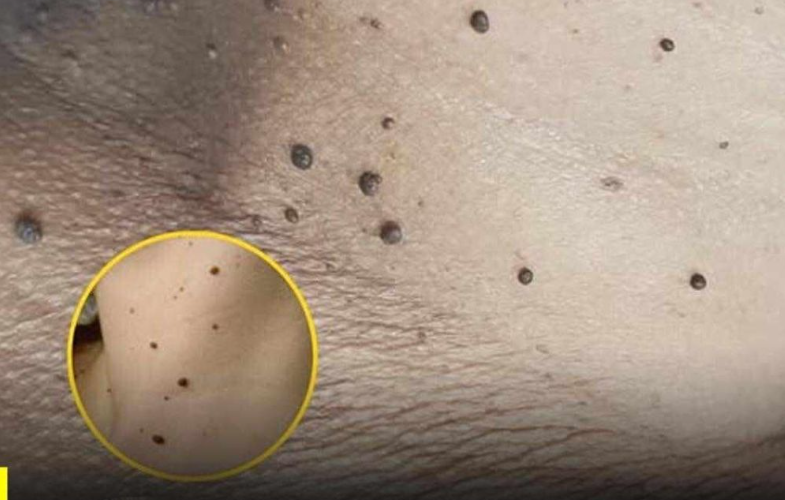
Skin tags are small, soft growths that extend from the surface of the skin. They are usually flesh-colored, though some may appear slightly darker depending on skin tone. These tiny growths often hang from the skin by a thin stalk, which gives them their characteristic appearance. While their look can surprise people when they first appear, skin tags are extremely common and are generally considered harmless.
Many individuals first notice skin tags during adulthood. A person might wake up one morning and suddenly see a small bump that did not seem to exist before. In reality, these growths often develop gradually and become noticeable only after reaching a certain size. Because they appear suddenly to the eye, people frequently wonder what causes them and whether they signal a health concern.
Dermatologists explain that skin tags rarely form because of a single factor. Instead, they usually develop due to a combination of physical influences, hormonal changes, and genetic tendencies. Learning about these contributing factors can help people understand why skin tags appear and why certain areas of the body are more likely to develop them.
1. Skin Friction
One of the most widely recognized causes of skin tags is friction. When skin repeatedly rubs against other areas of skin or against clothing, the constant contact can stimulate small growths to develop. This process occurs gradually over time and may lead to the formation of soft, hanging skin projections.
This explains why skin tags often appear in places where movement and rubbing occur frequently. Common locations include the neck, underarms, groin, and the area beneath the breasts. These parts of the body naturally experience more friction during daily activities such as walking, exercising, or wearing fitted clothing.
People with natural skin folds may notice skin tags more often because the skin surfaces meet and move against each other throughout the day. The repeated irritation can trigger skin cells to grow outward, eventually forming the small growths commonly referred to as skin tags.
2. Aging and Natural Skin Changes
Skin tags also tend to become more common with age. Although they can appear at almost any stage of life, many individuals begin noticing them more frequently during their forties or fifties.
As the skin ages, structural changes occur beneath the surface. Collagen and elastin fibers gradually shift and lose some of their elasticity. These changes can make the skin respond differently to friction and minor irritation.
Over time, these natural adjustments in skin structure can create an environment where small benign growths develop more easily. Skin tags are one of the many harmless changes that may accompany the aging process.
3. Hormonal Fluctuations
Hormones play an important role in how skin grows and repairs itself. When hormone levels change, the skin may react in different ways. In some cases, these changes can contribute to the development of skin tags.
Many women report noticing new skin tags during pregnancy. During this time, the body experiences significant hormonal shifts that influence cell growth and tissue behavior. Increased skin sensitivity combined with friction may encourage small growths to form in areas where the skin folds or moves frequently.
After hormone levels return to normal, the appearance of new skin tags often slows or stops.
4. Body Weight and Skin Folds
Body weight can also influence the likelihood of developing skin tags. Individuals who carry additional body weight may have more areas where the skin folds or rubs together.
These folds increase friction between skin surfaces. Over time, the repeated contact can lead to the formation of small growths in places such as the neck, underarms, or inner thighs.
Maintaining a healthy weight can reduce some of the conditions that encourage skin tag formation. However, weight alone does not determine whether someone will develop them. Many people with average body weight also experience skin tags due to other contributing factors.
5. Possible Links to Insulin Resistance
Research has suggested a potential connection between skin tags and insulin resistance. Insulin resistance occurs when the body becomes less effective at using insulin to regulate blood sugar levels.
People who develop multiple skin tags, especially around the neck or underarms, sometimes receive advice from doctors to monitor blood sugar levels as a precaution. Skin tags themselves are not dangerous, though they may appear more frequently in individuals experiencing certain metabolic changes.
This association does not mean that every person with skin tags has a metabolic condition. It simply highlights a possible link that medical professionals sometimes consider when evaluating overall health.
6. Genetic Factors
Genetics may also influence whether someone develops skin tags. Some people inherit a natural tendency toward these small growths.
If parents or close relatives have skin tags, other family members may notice similar growths appearing over time. In these cases, skin tags can develop even when friction, weight changes, or hormonal shifts are not significant factors.
Genetic predisposition explains why some individuals experience many skin tags while others develop very few throughout their lives.
When to Seek Medical Advice
In most situations, skin tags do not require medical treatment. They remain harmless and often cause no symptoms beyond their appearance.
However, it may be wise to consult a dermatologist if a growth changes color, increases in size quickly, becomes painful, or begins bleeding. A medical professional can confirm whether the growth is truly a skin tag or another type of skin condition.
Dermatologists can also remove skin tags safely if they cause discomfort or irritation.
Understanding Skin Changes
Although skin tags can seem mysterious when they appear suddenly, they are usually linked to everyday factors such as friction, aging, hormones, and genetics. Learning about these influences can help reduce concern and provide reassurance.
In most cases, skin tags represent a normal part of how skin evolves over time. With proper awareness and occasional medical guidance when needed, they rarely become a cause for worry.