After many years of caring for people during the final stages of life, one hospice nurse began noticing a pattern that appears again and again in quiet conversations with patients.
The pattern has little to do with wealth, achievements, or possessions. It does not center on status, career titles, or material success. Instead, it touches something far more basic and deeply human.
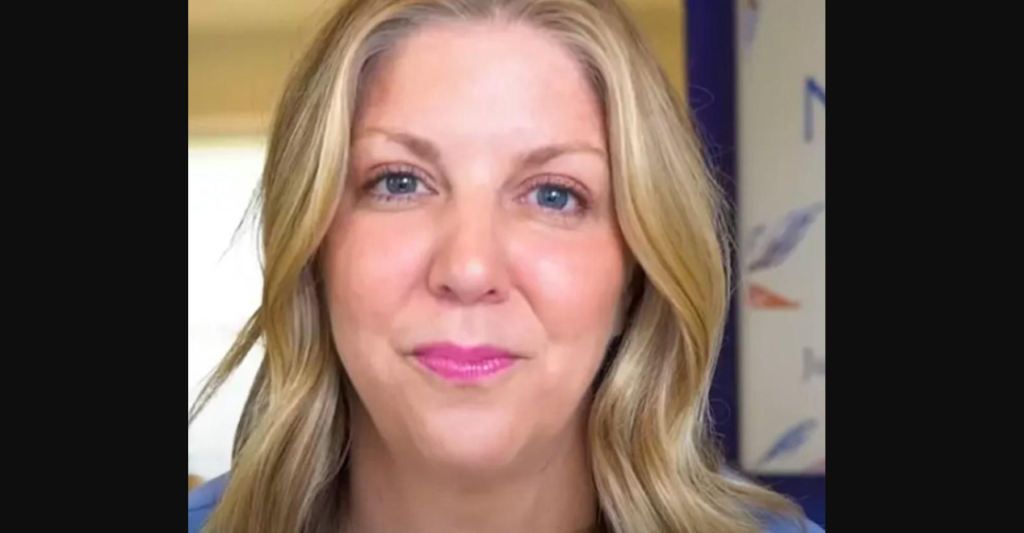
Julie McFadden has spent much of her professional life working with individuals who are nearing the end of their journeys. Her role places her beside people during moments of vulnerability, reflection, and honesty that many rarely witness.
In hospital rooms, hospice centers, and private homes, she has listened to countless conversations about life, family, choices, and meaning. These reflections often happen when distractions fade and people have time to look back on their experiences with clarity.
Through social media, speaking events, and educational work, Julie has shared many of these insights with a wider audience. Her goal is not to create fear about the future. Instead, she hopes to offer gentle perspective about what people often realize when time feels more limited.
Over time, she noticed that many patients begin to talk differently as they reflect on their lives.
Daily concerns that once felt urgent begin to fade. Work schedules, deadlines, and long-term plans no longer dominate the conversation. In their place comes reflection about relationships, memories, and the simple experiences that shaped everyday life.
Julie explains that people often become remarkably open during these moments. They speak honestly about their choices and how they spent their time.
One reflection appears frequently in these conversations.
Many individuals say they spent too much of their lives working without pausing long enough to enjoy the people and experiences around them. For many families, work is necessary and responsibilities cannot be avoided. Financial stability, providing for loved ones, and meeting obligations remain important parts of life.
Even so, patients sometimes express a wish for more balance. They remember times when they could have slowed down, shared more moments with family, or appreciated ordinary days more fully.
Although that reflection appears often, Julie says another realization comes up even more frequently.
Many people say they wish they had appreciated their health while it was still strong.
Health often operates quietly in the background of daily life. When the body functions well, it becomes easy to overlook how much it supports everything else we do.
Walking across a room, climbing stairs, breathing deeply, enjoying food, or sleeping comfortably may feel ordinary. These abilities become part of everyday life without drawing attention.
When illness or physical decline appears, those everyday abilities suddenly feel far more meaningful.
Julie has heard many patients describe memories of earlier years when their bodies felt reliable and strong. They speak about hiking with friends, playing with children, working in the garden, or taking long walks without discomfort.
In those moments, people often realize that the ordinary experiences they once rushed through were actually meaningful parts of life.
Witnessing these reflections has shaped how Julie approaches her own life.
She often speaks about practicing gratitude for simple aspects of health that people rarely notice during busy days.
At the end of many evenings, she takes a moment to write down a few things she appreciates.
The ability to move freely.
Breathing comfortably.
Feeling warmth from sunlight during a walk.
These moments may appear small, though they form the foundation of daily well-being.
By recognizing these experiences regularly, she remains connected to the present rather than assuming that physical comfort will always remain unchanged.
Her years in hospice care have also influenced the personal choices she makes about health.
Julie often explains that observing long-term illness has encouraged her to approach lifestyle habits with greater awareness. She speaks openly about limiting behaviors that may place unnecessary strain on the body over time.
Smoking, frequent alcohol use, and risky activities can create long-term health challenges for many people. Her perspective grows from witnessing the medical consequences of these habits through her work.
Her message focuses on awareness and prevention whenever possible. Small choices made consistently can influence long-term well-being in meaningful ways.
Although her work centers on people approaching the end of life, the insights she shares are relevant at every stage.
You do not need to wait for illness or advanced age to begin appreciating health and daily experiences. In fact, recognizing these things earlier allows people to live with greater intention and gratitude.
Appreciation can begin with simple awareness.
Noticing how your body feels today.
Allowing time for rest when needed.
Making decisions that support long-term comfort and strength.
These choices may appear small, though repeated habits shape quality of life over many years.
Julie often reminds people that her stories are not warnings designed to create fear.
Her hope is that people recognize what already supports their lives today.
Health often remains quiet and steady in the background. It allows us to move, think, connect with others, and experience the world.
By learning from the reflections of those who have looked back on their lives with honesty, people can gain perspective about what deserves attention right now.
Sometimes the most meaningful lessons come from listening to what others wish they had noticed earlier.