There are moments in life when giving your time, patience, and care to someone feels natural. Love often grows through effort and understanding. People invest their emotions, hoping that the relationship will grow stronger with each shared experience.
However, when that care is not appreciated, the situation can slowly change how a person feels about themselves. Being with someone who fails to recognize your value can lead to self-doubt. You may begin questioning your worth, wondering whether you expect too much or whether you should try harder to earn attention.
In reality, a lack of appreciation often reveals more about the other person than it does about you. When someone cannot recognize the effort, kindness, and support offered to them, it may reflect their own limitations rather than any flaw in your character.
Learning to step back from a relationship that leaves you feeling invisible can be difficult. Many people believe that perseverance will eventually restore connection. At times, though, the deeper lesson lies in recognizing when dignity and self-respect matter more than holding on.
When a partner does not value you, several important truths can help guide your thinking.
Your worth does not depend on someone else’s recognition. A person’s value is not defined by another individual’s attention or approval. Confidence grows from understanding your own qualities and knowing what you contribute to the world.
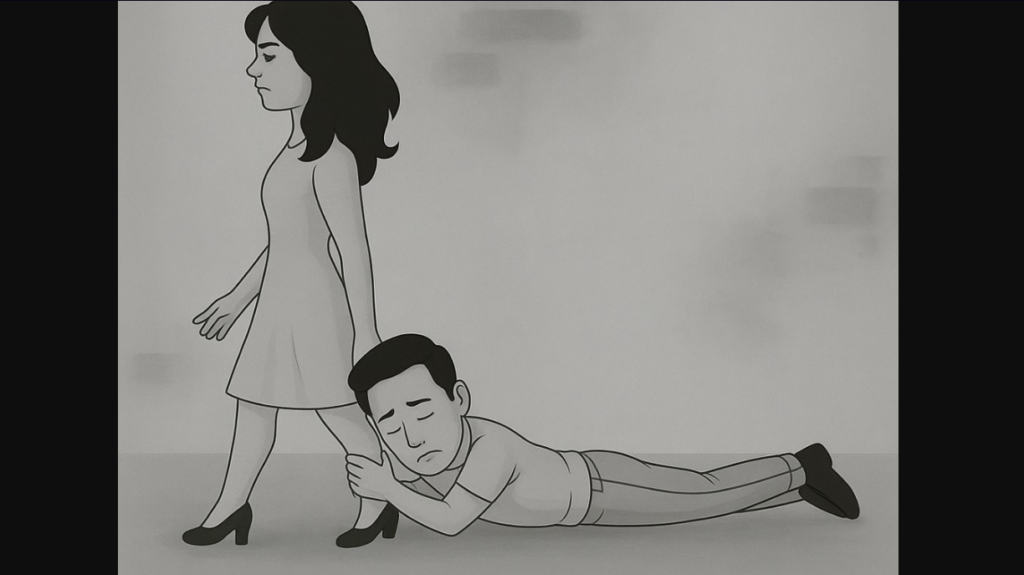
Love should not require constant pleading for attention. Healthy relationships involve mutual effort, shared respect, and natural affection. When someone repeatedly asks for basic care or acknowledgment, the connection may begin to feel unbalanced.
Growth also matters in relationships. Partnerships ideally create space for both people to evolve and feel supported. If being with someone consistently drains your energy or makes you feel smaller than you truly are, the relationship may no longer support your well-being.
Another important reminder involves honesty about behavior. People sometimes create explanations for actions that cause pain. They may say a partner is overwhelmed with work, struggling to communicate, or unaware of how their actions affect others. These explanations can delay difficult decisions.
Actions often reveal intentions more clearly than promises. When someone truly cares, their behavior tends to reflect that care over time.
It can also help to recognize the difference between comfort and genuine love. Long relationships create habits and shared routines. Sometimes people remain in situations because starting again feels intimidating. Familiarity can create the illusion of stability even when emotional fulfillment has faded.
Recognizing this difference can open the door to healthier choices.
For anyone facing a relationship where appreciation feels absent, several steps may help clarify the path forward.
The first step involves acknowledging reality. Observing how someone behaves rather than focusing only on what they say provides a clearer picture of the relationship. Consistent patterns reveal whether respect and effort exist.
Setting personal boundaries can also bring clarity. Boundaries communicate what you will accept and what you will no longer tolerate. They are not designed to control others. Instead, they protect your emotional well-being and reinforce self-respect.
Maintaining authenticity remains equally important. Some people attempt to change themselves in order to gain approval. They adjust their personality, interests, or values to match someone else’s expectations. Over time, this can lead to losing touch with the very qualities that make them unique.
Remaining true to who you are preserves your sense of identity.
Another valuable step involves redirecting energy toward personal growth. Time that once focused entirely on a partner can be invested in hobbies, friendships, education, or new experiences. These activities rebuild confidence and reconnect you with your own interests and strengths.
Letting go can feel painful, though it often represents an act of self-respect rather than failure. Releasing a relationship that no longer nurtures your well-being creates space for healthier connections in the future.
Healing after such experiences also requires patience.
Loving someone deeply is not something to regret. Offering care and compassion reflects strength, not weakness. What matters is learning from the experience rather than carrying guilt for emotions that were sincere.
Support from friends, family members, or counselors can provide valuable perspective during difficult transitions. Sharing your feelings with people who care about your well-being helps reduce the sense of isolation that sometimes follows emotional disappointment.
Reflecting on the experience can also bring wisdom. Every relationship teaches lessons about communication, boundaries, and personal needs. Those insights can guide future choices and help you recognize healthier dynamics earlier.
Most importantly, self-respect forms the foundation of every meaningful relationship. Valuing yourself does not mean rejecting love. It means recognizing that love grows strongest where respect, appreciation, and care exist on both sides.
When those elements are present, relationships become places of growth and support. When they are missing, choosing dignity and self-awareness can lead you toward a healthier and more fulfilling future.