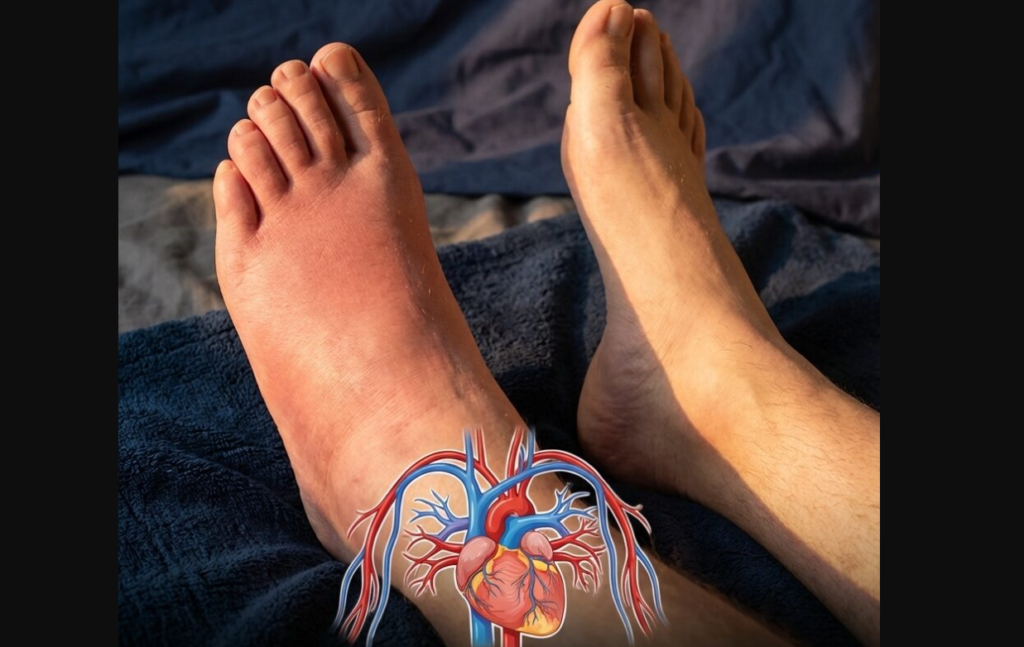
Heart attacks are often imagined as sudden events that arrive without warning. In reality, the body frequently sends signals long before a serious cardiac emergency occurs. These warning signs may appear days or even weeks in advance.
Many people overlook them because the symptoms feel mild or resemble everyday discomforts such as fatigue, stress, or digestive problems. Health professionals often emphasize that recognizing unusual physical changes early can make an important difference. Paying attention to these signals and seeking medical guidance promptly may help reduce the risk of severe complications.
One of the most commonly reported early indicators is unusual fatigue. Feeling tired after a long day is part of normal life, especially when responsibilities or schedules become demanding.
However, persistent exhaustion that does not improve after rest can signal something deeper. Some individuals notice that activities which once felt effortless suddenly require more energy. Walking short distances, climbing stairs, or performing basic household tasks may begin to feel unexpectedly challenging.
Along with fatigue, shortness of breath may develop. This symptom sometimes appears during physical activity, though it can also occur while resting. A person might feel as though they cannot take a full breath or may become winded more easily than usual. These changes can seem minor at first, which is why they are often overlooked. However, when they appear suddenly or persist for several days, they deserve attention.
Chest discomfort remains one of the most recognized warning signs of heart-related trouble. People often describe this sensation as pressure, tightness, or a squeezing feeling in the center of the chest. The discomfort may last several minutes, disappear, and then return later. In some situations, the sensation does not feel like sharp pain. Instead, it can resemble a heavy weight or persistent pressure.
Heart-related discomfort does not always remain confined to the chest area. Many individuals report sensations that spread to other parts of the body. The neck, jaw, shoulders, upper back, or arms can all experience discomfort connected to heart problems. These symptoms sometimes appear gradually and may come and go, which can make them confusing to interpret.
Digestive symptoms can also appear as early warning signals. Nausea, stomach discomfort, or sensations similar to indigestion sometimes occur before heart events. Because these feelings resemble common digestive issues, many people assume they are related to food or stress rather than heart health. This misunderstanding can delay attention to potentially important signs.
Another signal occasionally reported is the appearance of cold sweats. A person may suddenly experience sweating without physical activity or exposure to heat. This sweating often feels different from typical perspiration caused by exercise or warm temperatures. It can appear alongside feelings of anxiety or discomfort.
Dizziness or lightheadedness may also occur. Some individuals feel briefly unsteady or experience a sensation similar to faintness. This can happen when the heart struggles to pump blood effectively, which affects circulation throughout the body. Sleep disturbances sometimes accompany these changes as well. People may notice difficulty falling asleep, frequent waking during the night, or a general sense of restlessness.
Heart palpitations represent another possible sign. Palpitations describe the feeling that the heart is beating unusually fast, irregularly, or with noticeable force. While occasional palpitations can occur for many reasons, sudden or persistent changes in heart rhythm deserve careful attention.
Medical professionals often emphasize that each of these symptoms can have several possible causes. Experiencing one of them does not automatically mean that a heart event is imminent. However, patterns matter. When multiple symptoms appear together or when unusual sensations continue over time, the body may be signaling that something requires evaluation.
Certain individuals may face higher risk of heart-related conditions due to factors such as age, family history, lifestyle habits, or existing health concerns. For these individuals in particular, awareness of early warning signs becomes especially valuable. Maintaining regular health checkups and discussing unusual symptoms with a qualified healthcare professional can help detect potential problems early.
Heart health depends on a combination of factors that include balanced nutrition, physical activity, adequate sleep, and stress management. These habits contribute to maintaining healthy blood circulation and cardiovascular strength over time. Monitoring changes in the body also plays an important role in long-term wellness.
When unusual symptoms appear, especially chest pressure, breathing difficulty, or spreading discomfort in the upper body, seeking medical advice promptly remains the safest course of action. Early evaluation allows healthcare providers to determine the cause and recommend appropriate care.
The human body often communicates through subtle signals long before serious conditions develop. Learning to recognize these signals encourages greater awareness and supports proactive health decisions. By listening carefully to changes in energy, breathing, and overall comfort, individuals can take meaningful steps toward protecting their heart health and maintaining long-term well-being.