Home security is something many people begin to think about more carefully after noticing something unusual. A small change near the front door, a mark around the lock, or an unfamiliar object placed near the entrance might seem insignificant at first. These details are easy to overlook, especially during a busy day. Even so, small signs can sometimes suggest that someone has been paying attention to the home from the outside.
Security experts often explain that individuals looking for opportunities may rely on simple and quiet methods to observe daily routines. These methods do not always involve anything obvious or alarming. Instead, they can include small actions designed to go unnoticed. Because of this, being aware of changes around your home can help you respond more quickly and take steps to improve safety.
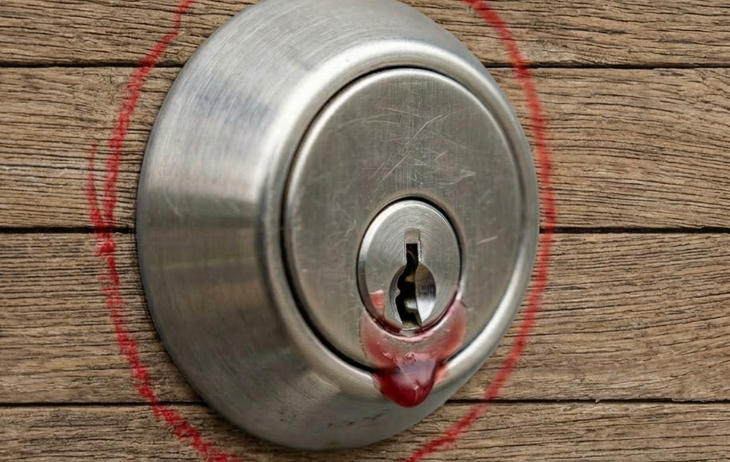
One online user shared an experience that led to a wider discussion about this topic. She noticed a small amount of red wax inside the keyhole of her front door. At first, she assumed it might have come from something she owned, perhaps an item attached to her keychain. After checking her belongings, she realized there was no clear explanation for how it got there.
Concerned by the discovery, she decided to take a photo and ask others if they had seen something similar. The responses varied. Some people suggested simple explanations, such as a child playing nearby or a small piece of wax or crayon being pressed into the lock by accident. These possibilities seemed reasonable and offered some reassurance.
Others shared a different perspective. They explained that in certain situations, unusual materials placed inside a lock could be used to observe activity. If the material remains unchanged over time, it might indicate that the lock has not been used frequently. This type of method relies on observation rather than direct action, which is why it can go unnoticed.
Situations like this highlight the importance of paying attention to small details around your home. When something unfamiliar appears near a lock, handle, or entrance, taking a moment to document it can be helpful. A simple photo can provide a clear record in case the situation needs to be reviewed later.
Sharing this information with local authorities or a neighborhood watch group can also raise awareness. Even when the cause turns out to be harmless, reporting unusual findings helps others remain attentive. A community that communicates openly about small concerns is often better prepared to address potential issues early.
Homeowners may also consider reviewing the condition of their locks and entry points. If there are signs of repeated tampering or wear, updating or replacing locks can improve security. Modern locking systems and additional safety features can provide extra peace of mind and reduce the likelihood of unwanted interference.
There are also practical steps that can be taken to create a safer environment around the home. Installing motion-sensor lighting near entrances can improve visibility during the evening. Doorbell cameras and similar devices can help monitor activity and provide useful information if needed. These tools are widely available and can be adapted to different types of homes.
Keeping outdoor areas well-lit and clear is another helpful approach. Trimming shrubs and maintaining open sightlines around doors and windows can make it easier to notice changes and discourage unwanted attention. Small adjustments like these can make a noticeable difference over time.
Staying connected with neighbors is equally valuable. Communities where people share information about unusual activity often create a stronger sense of awareness. This type of cooperation helps everyone feel more informed and supported.
In the end, home security often depends on awareness and simple habits. Paying attention to small changes, documenting what you notice, and taking practical steps can help create a more secure environment. These actions do not require major changes, though they can contribute to a greater sense of safety for you and those around you.