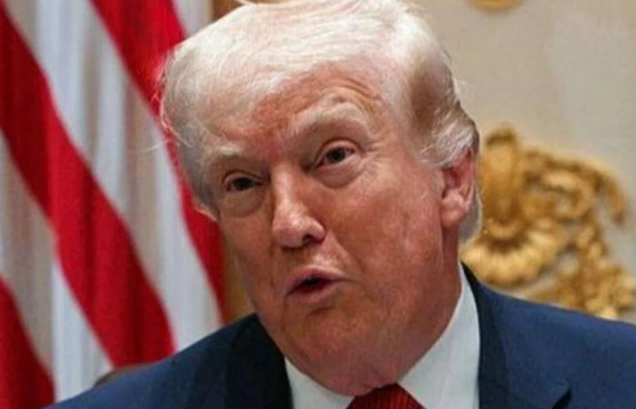
Donald Trump is reportedly preparing to introduce a major update to U.S. paper currency, a move that would mark one of the most notable changes to American money in more than a century.
Since returning to the presidency for a second term in January 2025, Trump has remained at the center of major national policy decisions. His administration has moved forward with a broad agenda that he continues to describe as the “Golden Age of America.” From trade negotiations and immigration reforms to shifts in international relations and economic strategy, the 79-year-old president has maintained a highly active pace in office.
Now, attention is turning toward another headline-making development, this time involving the nation’s currency.
According to recent reports, the U.S. Treasury is preparing a redesign of paper bills as part of the country’s 250th anniversary celebrations, scheduled for July 4, 2026. The redesign is expected to begin this summer and is being presented as part of a larger effort to commemorate the historic milestone.
One of the most significant changes involves the signature printed on the bills.
For more than 165 years, U.S. paper currency has traditionally included the signatures of the Treasury Secretary and the U.S. Treasurer. Under the reported plan, newly printed notes will include Donald Trump’s signature alongside Treasury officials, making this the first time a sitting president’s signature appears on American paper currency.
Treasury officials say the update is intended to honor both the nation’s upcoming anniversary and what they describe as a period of economic strength and national renewal. The first redesigned $100 bills are expected to begin printing in June, with additional denominations likely to follow in the months after. Officials also noted that it may take several weeks before the new bills begin entering public circulation.
The announcement has already sparked widespread discussion.
Supporters of the move view it as a symbolic gesture tied to the country’s historic celebration and to Trump’s current leadership. They argue that commemorative updates to currency have long been part of major national anniversaries and see the redesign as a fitting tribute to the occasion.
At the same time, critics have raised concerns about the political symbolism of placing a sitting president’s signature on legal tender. Some commentators describe the decision as a sharp departure from long-standing tradition, while others question whether such a move further blurs the line between national symbols and political identity.
The currency redesign is not the only proposal under consideration.
In addition to the updated paper notes, the government has also approved plans for a commemorative gold coin bearing Trump’s likeness as part of the Semiquincentennial celebration. Early draft designs of the coin have already been revealed, adding to the broader conversation surrounding the administration’s plans for the 2026 anniversary.
There have also been discussions around the possibility of introducing a $1 coin featuring Trump. That proposal, however, has generated significant debate. Several lawmakers have voiced opposition, pointing to existing legal and historical standards related to the depiction of living individuals on U.S. currency.
Some senators and members of Congress are reportedly working to challenge or delay the coin proposal, arguing that public funds should not be used for what they view as a politically charged design initiative.
Overall, these proposed changes are part of a broader national effort tied to the 250th anniversary of American independence.
Whether viewed as a historic tribute or a controversial shift in tradition, the redesign of U.S. currency is already becoming one of the most discussed developments surrounding the 2026 celebrations. As the summer rollout approaches, more details are expected to emerge regarding design, circulation dates, and public response.