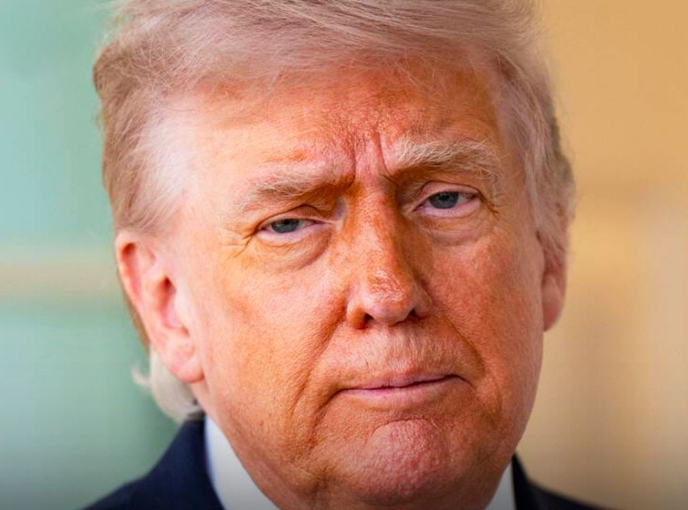
The health of Donald Trump has remained under close public attention since last summer, when the White House confirmed that he had been diagnosed with chronic venous insufficiency.
This condition affects how blood flows through the veins in the legs, and it has been part of a broader conversation about his physical well-being.
At 79, Trump has also appeared in public with visible bruising on his hands on several occasions, including multiple times this year. These observations led to increased discussion and questions from both the public and media.
Initially, he explained that the marks were caused by minor contact with objects such as furniture. Later, he clarified that they were likely connected to his daily use of aspirin.
He stated that while aspirin can support heart health, it may also lead to bruising, especially when taken in higher doses. He added that his personal routine includes a stronger form of the medication.
Shifting Focus Beyond Physical Health
In recent months, the conversation has expanded beyond physical condition to include questions about mental fitness.
Some critics have pointed to his public statements and policy decisions, particularly those related to the United States’ position in the Iran conflict. Others have referenced messages shared on Truth Social as part of their concerns.
Public opinion appears divided.
A poll conducted by YouGov in October 2024 indicated that many Americans already felt he was too old to serve as president. By September 2025, that figure had increased to 49 percent.
These numbers reflect a growing discussion about age, leadership, and public expectations.
Moments That Drew Attention
Speculation increased following reports that Trump had been excluded from a meeting in the Situation Room.
Around the same time, a video of him stepping off Air Force One in Phoenix began circulating online.
In the footage, he appeared standing with his legs positioned wide apart in an inverted V stance while his upper body remained upright.
This posture led to widespread discussion.
Some observers suggested it could relate to balance or coordination. Others mentioned the possibility of discomfort in the legs or hips. There were also ideas about potential support devices.
None of these interpretations were confirmed.
Still, the video contributed to ongoing conversations about his condition.
Public Reactions and Political Commentary
As discussions continued, reactions came from different directions.
Alex Jones, who had previously expressed support, made public statements questioning Trump’s judgment following comments about the Iran situation.
At the same time, Marjorie Taylor Greene spoke openly about the possibility of invoking the Twenty-fifth Amendment to the United States Constitution.
This amendment outlines procedures for transferring presidential power if a leader is considered unable to fulfill their duties.
Section 4, in particular, allows the vice president and a majority of the cabinet to take action if necessary.
Reports and Rising Questions
Additional reports added to the discussion.
There were claims that Trump had been temporarily excluded from a key Situation Room briefing related to a sensitive mission involving a U.S. service member in Iran.
According to those reports, concerns were raised about how his response might affect the situation.
It was also reported that he reacted strongly upon learning details of the incident, expressing frustration during internal discussions.
These accounts contributed to a broader narrative that combined health concerns, leadership decisions, and public behavior.
An Ongoing and Divided Debate
Taken together, these elements have fueled a continuing debate about his fitness to remain in office.
Visible physical signs, policy decisions, and reported moments of tension have all played a role in shaping public perception.
At the same time, official statements and supporters continue to emphasize his ability to carry out presidential responsibilities.
The discussion remains highly divided.
Different groups interpret the same information in different ways, leading to a wide range of opinions.
A Conversation That Continues
The topic of presidential health has always carried importance in the United States.
It connects to leadership, decision-making, and the continuity of government.
In the current environment, where information spreads quickly and public attention remains constant, these discussions tend to grow rapidly.
As new developments emerge, the conversation continues to evolve.
For many, it remains a subject of close attention, shaped by both confirmed information and ongoing public interpretation.