Officer Miller stepped inside, took off his campaign hat, and held out a worn manila file folder stamped with the county seal.
“Seven years ago, the silver Dodge Ram that crossed the double yellow line on Route 9 was reported stolen exactly two hours after the collision,” Miller explained, his voice flat and clinical. “The hit-and-run file went cold because the registration plates had been torched off with an acetylene torch, the VIN plate was ground flat, and the carcass was burned out in an abandoned quarry three miles off the interstate.”
My grandmother’s grip on the doorframe tightened until her knuckles went pale. “What does a high school boy have to do with the truck that killed my daughter and son-in-law?”
“Daniel didn’t steal that truck, Mrs. Holloway,” the officer answered. “His father did. Daniel was ten years old, sitting in the passenger seat when the front bumper struck your son-in-law’s sedan. At 2:15 AM last night, forty-five minutes after the prom ended, Daniel walked through the front doors of the county sheriff’s department carrying a mechanic’s diagnostic tablet, an insurance ledger, and an audio file recorded on his phone.”
The hallway went completely silent.
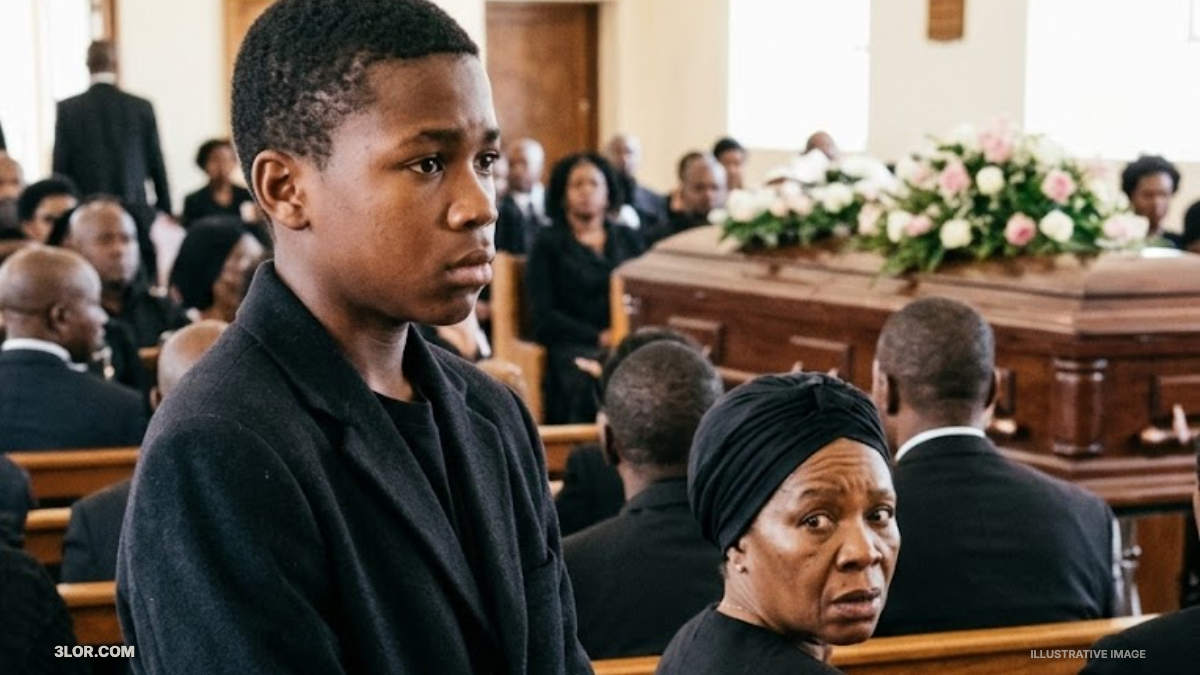
For seven years, my life had been defined by a cold fact: an unknown driver had veered across the center line at sixty miles per hour, destroyed my family, taken my legs, and vanished into the rain. We held two funerals on a Tuesday morning, settled the medical debts by selling my childhood home, and moved into my grandmother’s small single-story house near the railroad tracks.
“Daniel’s father is Thomas Vance,” Miller continued, turning a carbon sheet over in the folder. “He owns Vance Heavy Equipment & Towing off Highway 14. Ten minutes after the impact, Thomas drove that wrecked truck into his repair bay, locked Daniel inside an office, and filed a false police report claiming the yard had been broken into while he was asleep.”
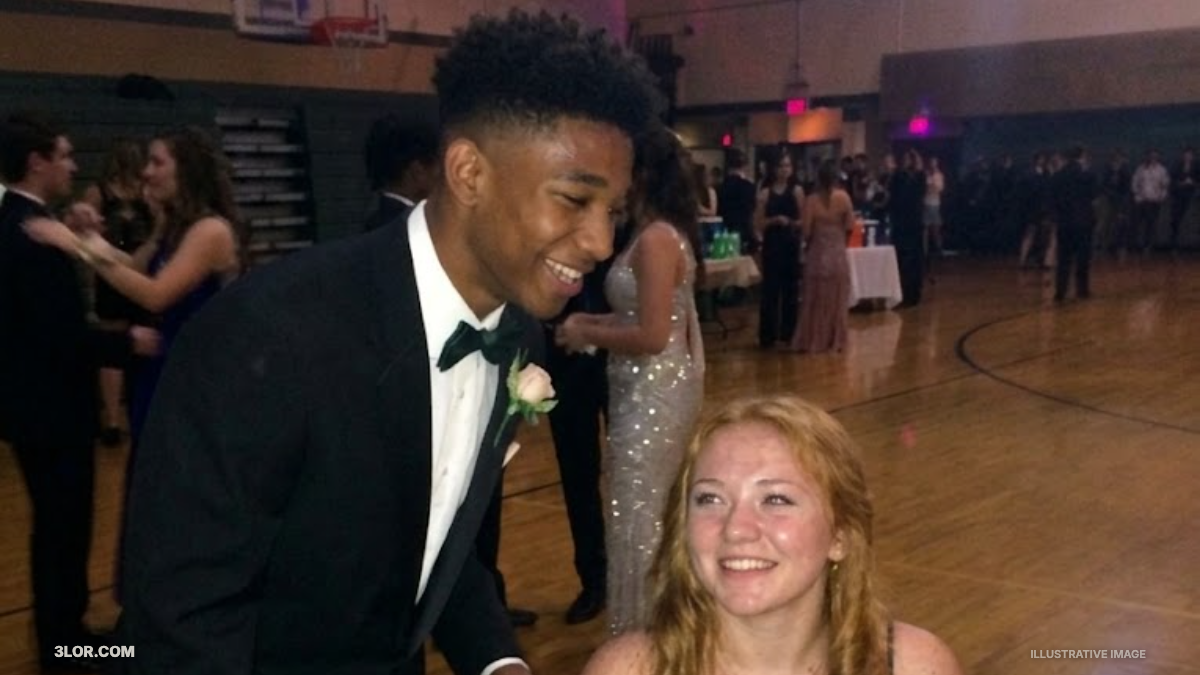
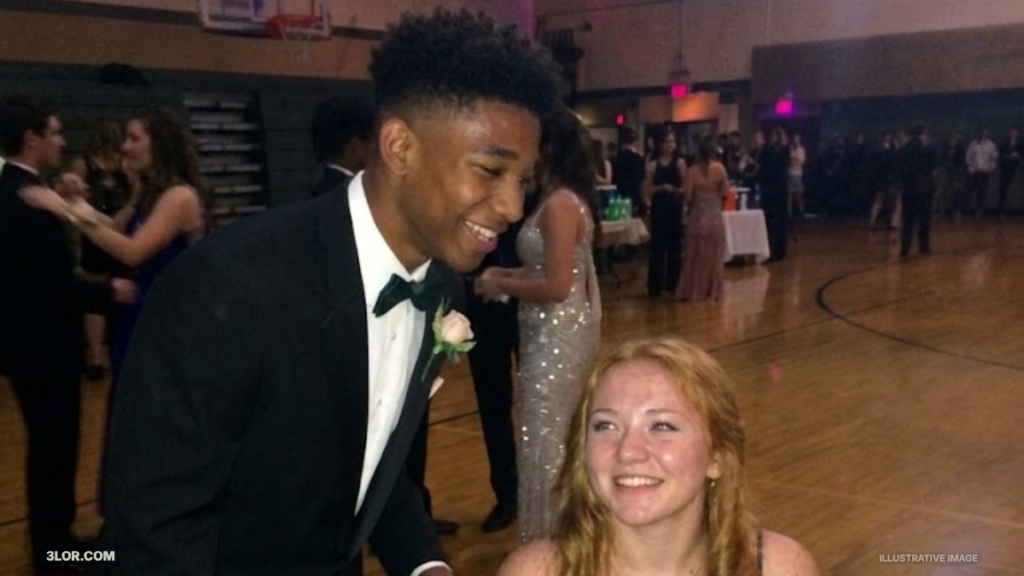
“Why last night?” I whispered, looking down at my hands gripping the rubber tires of my wheelchair. “Why did he ask me to dance?”
“Because Daniel turned eighteen yesterday at midnight,” Officer Miller said. “Under state statutes, as long as he was a minor, his father was his legal guardian and had threatened to place him in an out-of-state residential facility if he ever contacted authorities. Furthermore, any statement he made as a dependent could be heavily contested by his father’s defense counsel. Daniel waited until the exact day he achieved legal majority. He told us he wanted to see you have one unruined night before the county tore his family apart.”
By noon that day, the town’s quiet surface cracked wide open.
Three county cruisers and two state transport vans pulled into the gravel forecourt of Vance Towing. Thomas Vance was taken into custody in front of his mechanics, charged with two counts of felony vehicular homicide, reckless endangerment, perjury, tampering with physical evidence, and filing a fraudulent insurance claim exceeding $80,000.
Late that afternoon, after giving our preliminary statements to the district attorney’s office, my grandmother drove me to the county judicial annex. Daniel was seated in a narrow interview room with a state-appointed public defender, awaiting his formal sworn deposition for the grand jury.
He looked up as the metal door opened. He had removed his prom tuxedo jacket, wearing only a plain white button-down with the top button undone. His eyes were bloodshot, but his posture was straight.
“You knew who I was the entire school year,” I said, wheeling myself to the opposite side of the table.
“I knew who you were the first day you arrived in eighth grade,” Daniel said quietly. His voice didn’t waver. “I remembered your father’s green jacket from the windshield glass. Every time I watched people walk past you in the halls like you were invisible, I remembered the sound of the metal crushing. My father told me for seven years that if I opened my mouth, nobody would believe a child over a businessman with connections in the commissioner’s office.”
“You did that dance out of guilt,” I said.
“I asked you to dance because you deserved to be seen before the whole town turned this into a spectacle,” he replied directly. “I didn’t do it to ask for your forgiveness, and I don’t expect it. But my father wasn’t going to spend the rest of his life pretending nothing happened while you had to live with the consequences of his cowardice.”
Daniel slid a copy of a legal filing across the laminate table.
It was an irrevocable civil waiver prepared by the county defender. Because Daniel was the sole named heir to the Vance property and business assets, he had signed an immediate, binding agreement surrendering all claim to his father’s commercial real estate, heavy equipment inventory, and commercial insurance bonds, liquidating the entire estate directly into a court-supervised restitution trust registered in my name.
“The business and the lot are worth roughly $620,000,” Daniel said. “It won’t bring your parents back, and it won’t fix what happened to your spine. But you and your grandmother will never have to worry about accessible ramps, modified vans, or medical expenses again.”
Thomas Vance entered a negotiated guilty plea four months later to avoid consecutive life sentences, receiving twenty-four years at Hays State Prison without eligibility for early parole. The commercial property on Highway 14 was auctioned under sheriff’s sale, and the proceeds were transferred directly into the court trust.
Daniel left the county that same week, taking an entry-level industrial welding position in southern Indiana.
We never spoke again, and I never framed the ticket from prom. But every time the morning sun hits the hardwood floors of our home, and every time the adapted lift lowers my chair safely to the sidewalk, I remember the quiet rhythm of that gymnasium floor, the boy who stood his ground against his own blood, and the debt that was finally settled in full daylight.
Editorial Note: This work is published as an elite-level narrative examining the legal, psychological, and civil restitution frameworks surrounding historical hit-and-run investigations, guardian coercion, and sworn witness depositions. Key names, municipal designations, and business identifiers have been altered to preserve confidentiality and legal privacy.