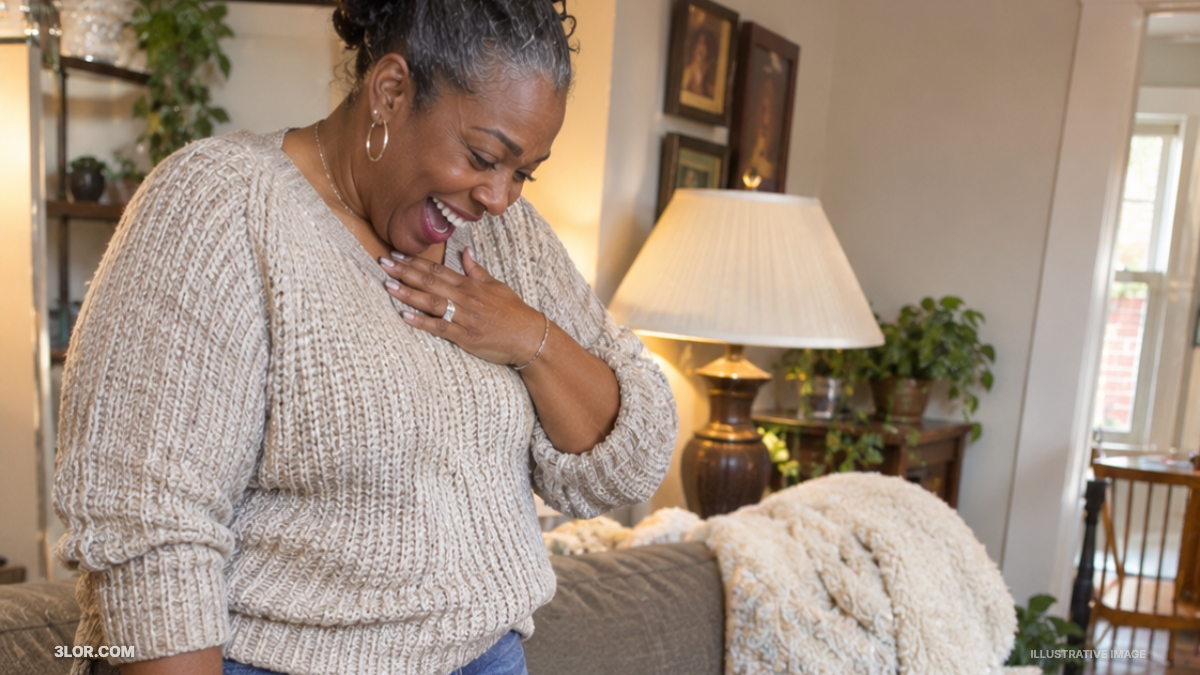
An alarming headline circulating on social media has recently drawn widespread attention after claiming a woman suffered a severe medical emergency at home following an ordinary cleaning routine.
While the post has been shared thousands of times, the available material provides no verified identification, no official medical report, and no confirmed investigation establishing what actually happened. Treating an incomplete viral caption as a confirmed news report would be irresponsible. However, the conversation surrounding the post highlights a very real, everyday household hazard that safety experts warn is far more common than most people realize: chemical exposure caused by improper cleaning habits.
The Hidden Danger Under the Kitchen Sink
Routine chores like scrubbing a bathroom, mopping floors, or doing laundry rarely feel risky. Yet many common household cleaners contain potent active ingredients designed for specific jobs—and combining them can trigger immediate, hazardous chemical reactions.
Never mix bleach with ammonia or acidic cleaners: Combining household bleach with ammonia-based products (such as certain glass or multi-surface cleaners) releases toxic chloramine gas. Mixing bleach with vinegar, toilet bowl cleaners, or rust removers containing acids produces chlorine gas, which can severely irritate or damage the airways within seconds.
Use one product at a time: Even using two different cleaners back-to-back on the same surface without rinsing thoroughly with water first can cause lingering residues to react.
Read the label before opening the bottle: Manufacturer instructions specify exact dilution ratios, surface compatibility, and whether gloves or eye protection are recommended.
Why Ventilation Matters in Small Spaces
Bathrooms, laundry rooms, and closets typically have limited airflow. When strong chemical vapors build up in an enclosed space, breathing them in—even for a few minutes—can cause coughing, dizziness, chest tightness, or acute respiratory distress.
Keep air moving: Open windows and interior doors before starting, and turn on exhaust fans whenever working with strong disinfectants or descalers.
Step out immediately if fumes become strong: If an unexpected odor or sharp vapor develops, leave the room right away for fresh air rather than trying to rinse or neutralize the mixture with another product.
Store products safely: Keep all chemicals in their original, clearly labeled containers out of reach of children and pets, and never transfer cleaners into empty beverage bottles or food jars.
What to Do If Accidental Exposure Occurs
If anyone experiences burning eyes, persistent coughing, shortness of breath, or nausea while cleaning, moving immediately to fresh air is the first priority. For suspected chemical inhalation or accidental ingestion, contact emergency medical services right away or call Poison Control at 1-800-222-1222 (in the United States) for immediate, expert guidance.
A dramatic social media headline should never be a substitute for verified facts—but using it as a reminder to check labels, open a window, and keep household chemicals separate is a simple habit that protects everyone under your roof.
Editorial Note: This article is for informational and educational purposes and was written with AI assistance. Because the viral social media claim lacks verified official sources or confirmed details, this piece focuses on established household chemical safety guidelines.