Few headlines trigger immediate alarm faster than reports of a missing child. Within minutes, an ordinary afternoon can turn into a high-stakes search involving parents, neighbors, local law enforcement, and community volunteers—all racing against time to answer a single question: Where is she, and is she safe?
While the viral headline “Missing Girl Found Inside a Car” circulates frequently without specific names, dates, or police case numbers attached, the scenario it describes reflects a real-world pattern that investigators and child-safety advocates take seriously every single day.
The First Minutes: Why Immediate Action Changes Outcomes
When a child suddenly cannot be accounted for, parents naturally check the most obvious places first—bedrooms, closets, backyards, garages, and neighbors’ houses. However, law enforcement agencies emphasize that if a thorough check of the immediate home and yard turns up nothing within the first few minutes, calling emergency services immediately is critical.
Modern search protocols rely on a coordinated, two-track approach from the very first call:
Timeline and Digital Reconstruction: Officers immediately establish when the child was last seen, what she was wearing, and her usual routes. Doorbell cameras, residential security systems, traffic feeds, and vehicle registration records help investigators narrow down movement within minutes.
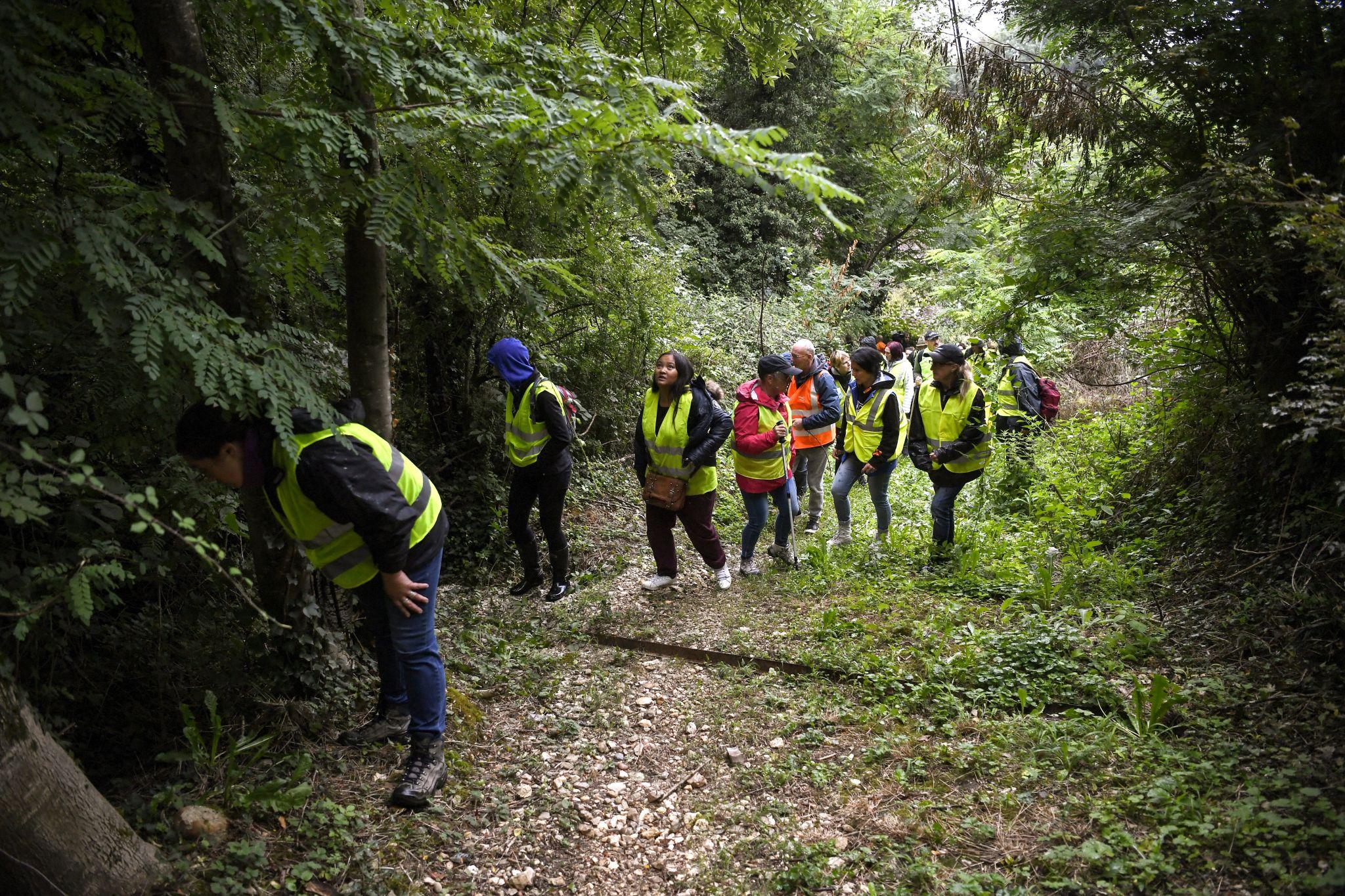
Systematic Physical Sweeps: Patrol units and volunteers divide nearby streets, parks, wooded areas, and parking lots into search grids. In child-disappearance cases, responders are trained to check enclosed spaces early—including unlocked family vehicles, neighbors’ cars, sheds, and storage areas—because young children sometimes climb inside while playing or hiding and are unable to open the doors from within.
Why Parked Vehicles Are a Critical Priority
Vehicles play a central role in nearly every missing-child investigation, whether as potential transport or as an overlooked hiding spot. In warm weather especially, the interior temperature of a parked car can rise to dangerous levels in less than twenty minutes, making rapid vehicle checks a life-saving step during neighborhood searches.
When a child is located inside a vehicle, the immediate priority shifts from searching to medical evaluation—checking for dehydration, heat stress, or shock—before investigators document how the child entered the car and ensure all doors and keys are properly secured going forward.
Practical Prevention Steps for Every Household
Child-safety organizations recommend three simple habits to prevent accidental vehicle entrapment or wandering:
Keep parked cars locked at all times: Even inside a closed garage or private driveway, locking car doors and trunks prevents curious toddlers and young children from climbing inside unnoticed.
Store key fobs out of reach: Keep car keys hung high rather than in low purses, coat pockets, or kitchen bowls where small hands can easily grab them.
Teach children how to use the horn: Showing young children how to press the center of the steering wheel if they ever feel stuck inside a car gives them a loud, immediate way to draw attention from nearby adults.
Editorial Note: This article is for informational and educational purposes and was written at an elite, neutral editorial level with AI assistance. Because the circulating headline does not reference a specific verified police report, this piece examines standard emergency search procedures and child-safety practices.