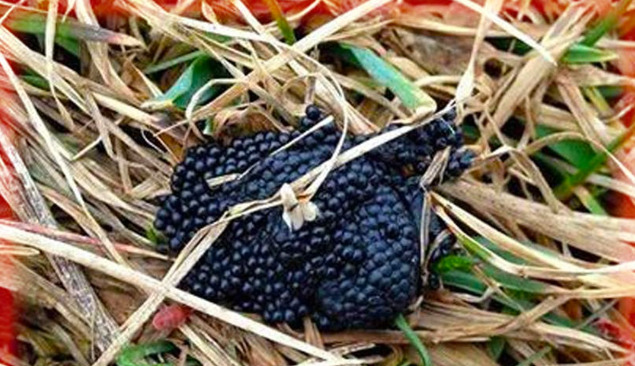
Discovering tick eggs in your backyard is a serious concern that should not be ignored. Ticks are well-known carriers of diseases, and their eggs, which are often hidden in sheltered outdoor spaces, can lead to a troubling infestation. This guide will provide you with the essential knowledge and steps to identify, manage, and prevent tick eggs effectively.
How to Identify Tick Eggs
Tick eggs are tiny, typically about 0.5 mm in diameter, roughly the size of a poppy seed. They are generally oval or pear-shaped with a translucent or slightly whitish appearance, though this may vary depending on the species. Tick eggs are commonly laid in clusters and found on vegetation, in leaf litter, or other surfaces close to the ground. As they develop, they may become more opaque and take on a color similar to the adult tick of their species. The eggs are usually smooth and glossy, with colors ranging from pale yellow to light brown.

The Risks Associated with Tick Eggs
The main risk posed by tick eggs is their potential to hatch into larvae that can carry diseases such as Lyme disease and Rocky Mountain Spotted Fever. Therefore, it is important to handle tick eggs with care to avoid spreading these diseases.
How to Remove and Dispose of Tick Eggs
If you find tick eggs in your backyard, it is best to consult a pest control expert or veterinarian for accurate identification and advice on how to control and remove them safely. For individual ticks attached to the skin, use fine-tipped tweezers to grasp the tick close to its head or mouth and pull it out steadily without twisting. Once removed, dispose of the tick by placing it in alcohol, a sealed bag, or flushing it down the toilet.
Preventing Ticks in Your Backyard
- Remove Deer-Attracting Plants: Eliminate plants like tulips, hostas, and azaleas that attract deer, as deer ticks are a primary source of Lyme disease.
- Introduce Tick-Repelling Plants: Plant herbs like mint and rosemary, and flowers such as chrysanthemums, which help repel ticks.
- Maintain Your Lawn Regularly: Keep your lawn mowed and reduce dense brush and ground cover to minimize tick habitats.
- Manage Woodpiles and Debris: Store woodpiles off the ground and away from your home to reduce dark, moist areas where ticks lay eggs.
- Discourage Small Animal Hosts: Maintain stone walls and avoid bird feeders that attract rodents, common tick hosts.
- Use Natural Tick Repellents: Apply essential oils like cedarwood, neem, and citronella, or use diatomaceous earth as natural tick deterrents.
- Utilize Tick Tubes: These no-spray tools can kill ticks and help prevent the spread of diseases.
- Incorporate Rough Textures: Use lava rock or pebble mulch in garden beds to create a less hospitable environment for ticks.
- Create Lawn-Free Zones: Use hardscaping to reduce areas where ticks might thrive.
- Apply Insecticides Cautiously: When necessary, use insecticides such as synthetic pyrethroids or natural alternatives like cedar oil.
By following these steps, you can effectively manage and reduce the risk of tick infestations in your backyard.