
If you take a closer look at what goes into hot dogs and how they are made, you may be surprised to learn that this popular food comes with hidden health risks.
There’s no denying that there’s nothing natural about frankfurters, as they’re a nutritionally depleted processed food. Factories produce them in a highly automated manner at an astonishing rate of 300,000 hot dogs per hour.
Hot dogs are made from a combination of pork, beef, and chicken. The production process involves using leftover cuts from steaks and pork chops, along with “edible” slaughter byproducts such as feet, heads, fatty tissue, and even animal hides.
These ingredients are ground into a thick paste, after which a variety of additives are incorporated to enhance flavor. This includes large amounts of salt, corn syrup, MSG, nitrates, and other chemicals.

Flavorings differ by region based on local tastes.
Among them are MSG and carmine, a coloring agent derived from crushed beetles that have been boiled in ammonia or sodium carbonate. Notably, the Department of Agriculture does not require manufacturers to disclose flavorings on labels, allowing for a wide range of undisclosed ingredients.
Studies have also linked processed meats, including hot dogs, to serious health risks. Research from the University of Hawaii found that consuming processed meats increases the risk of pancreatic can.cer by 67%.
One of the most concerning additives in hot dogs is nitrates and nitrites. Even organic hot dogs can contain high levels of these compounds. When exposed to high heat, they react with amines in processed meat to form nitrosamines—chemicals associated with an increased risk of several can.cers, including bladder, pancreatic, colon, and stomach can.cer.

According to the American Institute for Can.cer Research, eating just one hot dog per day raises the risk of colorectal can.cer by 21%.
The video below provides an inside look at the hot dog-producing process.
10+ Foods to Help Lower Your Blood Sugar

Maintaining stable blood sugar levels is critical for general health and can help prevent or postpone dangerous complications. Blood sugar levels can be influenced by a variety of factors, including heredity, stress, activity, and body weight.
However, nutrition has a considerable impact on blood sugar management. To help you make the best choices, here are over ten foods that have been shown to lower blood sugar levels.
1. Pumpkin
Pumpkin is a high-antioxidant and fiber-rich food that helps regulate blood sugar. This nutritious food contains polysaccharides, a carbohydrate that has been examined for its ability to reduce blood sugar. Pumpkin also contains protein and healthy fats, making it an important component of a balanced diet for controlling blood sugar levels.
2. Seafood
Seafood contains protein, healthy fats, vitamins, minerals, and antioxidants, which can help reduce blood sugar levels. Protein helps to minimize postmeal blood sugar increases, slows digestion, and promotes a sense of fullness. Fatty fish, such as salmon and sardines, are particularly healthy.
3. Broccoli

Broccoli includes sulforaphane, a plant compound that lowers blood sugar levels. When broccoli is diced or chewed, it releases sulforaphane. Broccoli sprouts are also strong in glucosinolates, which boost insulin sensitivity and help decrease blood sugar in people with type 2 diabetes.
4. Beans and Lentils
Lentils and beans are nutrient-dense foods that can help regulate blood sugar levels. They are high in fiber, protein, and magnesium, all of which help to control blood sugar. These foods also contain resistant starch and soluble fiber, which slow digestion and improve blood sugar response following meals.
5. Chia Seeds
Chia seeds are another fantastic option for controlling blood sugar levels. According to research, ingesting chia seeds can help reduce blood sugar and increase insulin sensitivity.
6. Okra

Okra is a fruit rich in polysaccharides and flavonoid antioxidants, which have been shown to help reduce blood sugar. Okra seeds are particularly high in blood sugar-lowering qualities, making them a viable natural cure for diabetes.
7. Avocados
Avocados are an excellent blood sugar regulator due to their high fiber content, healthy fats, vitamins, and minerals. Avocados, according to studies, may help lower blood sugar while also lowering the risk of metabolic syndrome, a group of diseases that include high blood sugar and increase the risk of chronic disease.
8. Berries
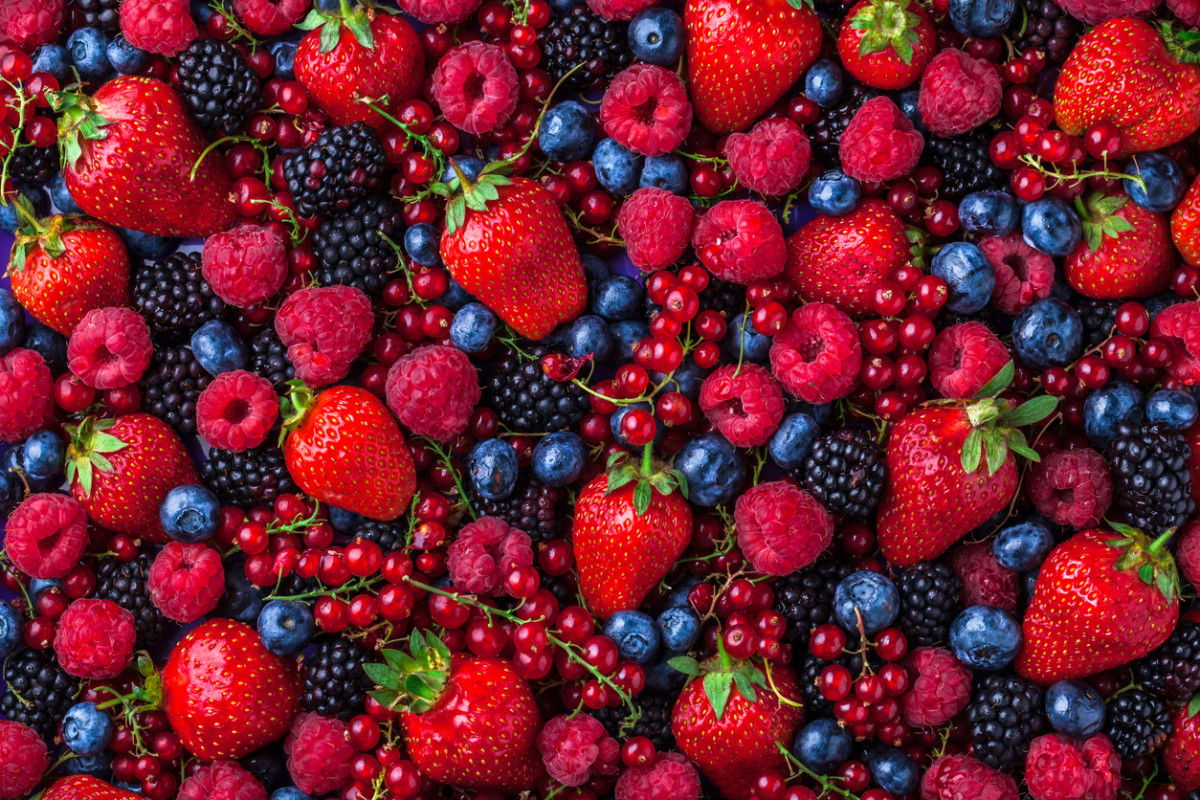
Berries are a great option for people who struggle with blood sugar control. They are high in fiber, antioxidants, vitamins, and minerals, all of which help to regulate blood sugar levels.
9. Eggs
Eggs are high in protein, healthy fats, vitamins, minerals, and antioxidants, making them good for blood sugar regulation. According to research, eating eggs regularly may help control blood sugar levels. According to the study, eating eggs daily enhanced insulin sensitivity.
10. Oats
Oats are an excellent breakfast choice because of their high soluble fiber content, which helps to reduce blood sugar levels. The researchers discovered that drinking water mixed with oat bran before eating white bread resulted in lower postmeal blood sugar levels than drinking water alone.
11. Yogurt and Kefir
Yogurt and kefir, as fermented dairy products, may help regulate blood sugar levels. Furthermore, a review of several research found that daily yogurt eating was connected with a 7% lower risk of acquiring type 2 diabetes.
Conclusion
Maintaining stable blood sugar levels is critical for long-term health, and nutrition plays an important part in that process. Including these nutrient-dense foods in your diet can help lower your risk of diabetes and boost overall health.