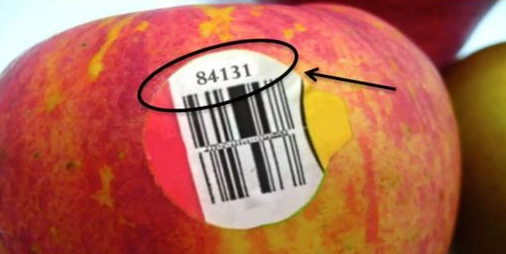
Ever noticed those tiny numerical codes on fruit in your local supermarket? These labels do more than speed up checkout—they reveal significant details about the fruit’s journey from farm to table.
While also used for vegetables, herbs, and nuts, fruits predominantly carry these labels, providing valuable insights into their cultivation methods.
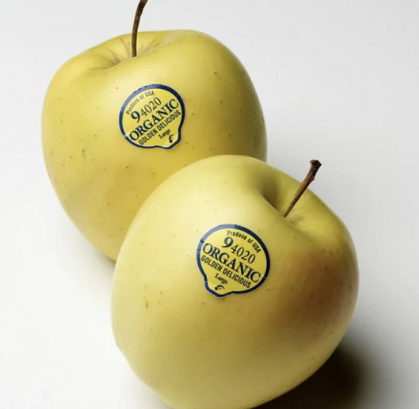
UNVEILING THE MEANING BEHIND FRUIT LABELS
Fruit labels typically fall into one of three distinct categories:
- Conventional: A four-digit code denotes conventional cultivation, where traditional farming practices often involve pesticides and chemical fertilizers, potentially impacting soil health.
- Genetically Modified: A five-digit code starting with the number 8 indicates genetic modification. These fruits are engineered to resist pests and may involve pesticide usage during cultivation.
- Organic: A five-digit code beginning with the number 9 signifies organic certification. Organic fruits are grown without synthetic pesticides or fertilizers, promoting soil health and environmental sustainability.
MAKING INFORMED CHOICES: PESTICIDES, ENVIRONMENT, AND LOCAL SUPPORT
Pesticides and Health: While conventionally grown fruits may use pesticides, they typically comply with regulatory safety standards. Nevertheless, many people prefer organic options to minimize potential pesticide exposure, especially if they have health concerns or specific dietary preferences.
Environmental Impact: Choosing between conventional and organic farming also affects the environment. Organic farming practices focus on soil health and sustainability, aiming to reduce soil erosion, conserve water, and minimize chemical runoff. Supporting organic farming promotes more environmentally friendly agriculture.
Local Farmers: Buying from local farmers at farmers’ markets or through Community Supported Agriculture (CSA) programs supports the local economy, reduces food miles, and often ensures fresher produce. Local farmers may use sustainable farming practices, even if they’re not certified organic. Engaging with local farmers can provide insights into their farming methods.
EMPOWERING CONSUMER CHOICES
As consumers, advocating for transparent food labeling can empower informed choices. Some organizations and brands exceed basic labeling requirements, offering additional information about the fruit’s origin, farming practices, and certifications. Supporting brands that prioritize transparency encourages better information sharing within the industry.
By considering these factors, you can make food choices that align with your nutritional needs, environmental values, and support for local agriculture. Understanding fruit labels is an essential step in making informed decisions about the food you consume.
So, next time you pick up a piece of fruit, take a moment to decode that little sticker. It might reveal more about your food choices than you ever imagined.
If you cannot buy locally, choose NUMBER 9 for Organic.