3lor

10 Effective Tips for Eliminating Body Acne

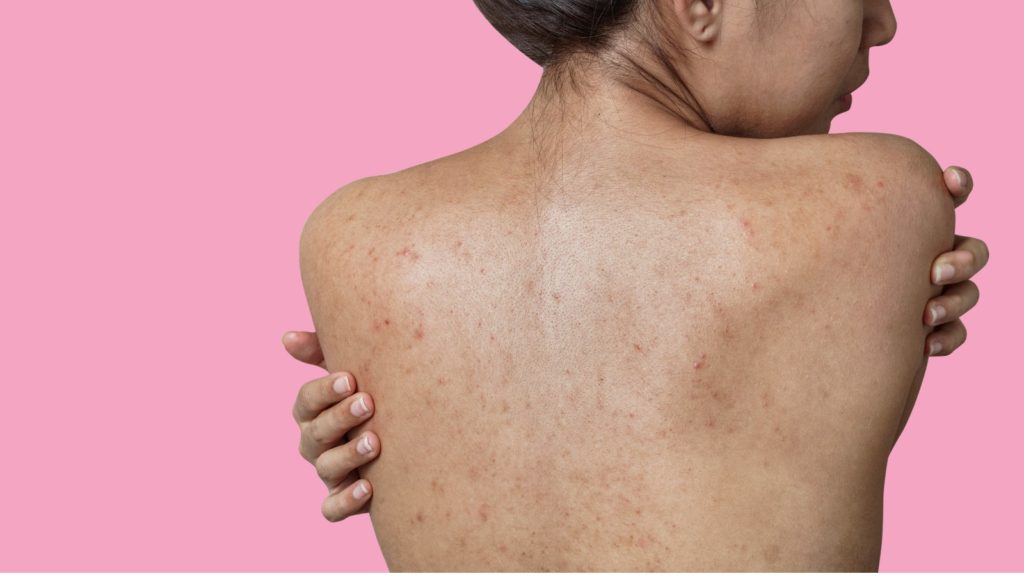
Body acne affects many individuals. Research indicates that 9.4% of the global population experiences acne. Although it is common, it can impact some people’s confidence due to its appearance.

Advertisement

To anyone dealing with acne: “EMBRACE YOURSELF. YOU ARE BEAUTIFUL, AND ACNE IS JUST A CONDITION! NOTHING MORE.”

1. Don’t let sweat dry on your skin! Take a shower!

Advertisement

When you exercise, your body produces more sweat. To prevent it from drying on your skin, shower as soon as you finish your workout.

2. Exfoliate!

Make exfoliating scrubs a part of your skincare routine. They can cleanse your skin of sweat, dirt, and anything that clogs your pores while removing dead skin cells.

Advertisement

3. Wear breathable outfits.

Some fabrics and tight clothes might irritate your skin. Opt for breathable outfits to stay comfortable and avoid skin issues.

4. Keep your hair off your back!

Long hair can transfer dirt to your back. Keep it off your back to prevent painful acne from forming.

5. Choose your skincare products carefully.

Be mindful of your skincare products. Look for ingredients suited for acne-prone skin, such as salicylic acid, tea tree oil, and white willow bark, to reduce acne.

6. Stay hydrated!

Hydrated skin is healthy skin. Increase your water intake to support your immune system, which helps flush out acne-causing bacteria.

7. Add anti-inflammatory and antioxidant foods to your diet.

Incorporate anti-inflammatory foods like berries, whole grains, beans, certain nuts, and more into your diet to reduce acne.

8. Do not pop the zits!

Resist the urge to touch or pop your zits. This can lead to scars or infections. If they itch, consult a dermatologist for a topical spray to aid in faster healing.

9. Use non-comedogenic SPF.

While the sun provides vitamin D, it’s important to use SPF to protect your skin from UV light. Choose a non-comedogenic SPF for acne-prone skin to avoid clogged pores.

Advertisement

10. Include zinc and low-GI foods in your diet.

Research suggests that zinc-rich foods can reduce acne inflammation and balance the skin barrier. Foods like spinach, oysters, pumpkin seeds, and wheat germ are high in zinc. Additionally, low glycemic index (GI) foods such as vegetables and fruits can help reduce acne.

Do you have acne? How do you care for your skin? Share your routine in the comments below.

Related Posts:

US State Moves Toward First Female Execution in Over Two Centuries as Details of the Crime Resurface

The state of Tennessee may soon carry out its first execution of a woman in more than two centuries after the Tennessee Supreme Court approved a request to proceed with the death sentence of Christa Gail Pike. Pike, now 49 and the only woman currently on Tennessee’s death row, was 18 years old when she ... Read more

How First, Second, and Third Marriages Often Evolve Over Time

Marriage is often described as one of life’s most meaningful journeys, and like any journey, it changes with time and experience. Moving from a first marriage to a second—or even a third—often reflects personal growth, shifting priorities, and lessons learned through both joy and hardship. Each chapter carries its own emotional landscape, shaped by who ... Read more

Marry the Girl Who Has No Idea What This Is!

I bought the bag because it reminded me of my mother. The leather was timeless, soft yet structured, the kind she used to carry to church on Sundays. It held that faint lilac fragrance she loved, a blend of perfume and years gone by. The stitching was delicate, the clasp firm, and the silhouette graceful ... Read more

How Breast Size Connects to Hormones and Overall Health

Breast size develops through a complex interaction of genetics, hormones, age, body composition, and everyday habits. Each of these elements influences the body in a unique way, which explains why there is such a wide range of natural variation among women. Advertisement Although cultural narratives often place strong emphasis on physical appearance, breast size does ... Read more

How Often Should You Shower After 65? Practical Hygiene Advice for Healthier, More Comfortable Skin

If you’re over 65 and you’ve begun to notice that your skin feels drier, itchier, or more sensitive than it once did, you’re not imagining it—and your moisturizer may not be the only factor involved. Many people continue the same shower habits they followed in their 30s and 40s, assuming that daily hot showers are ... Read more

Warning Signs Your Body May Be Sending About Your Health

Our bodies often send subtle signals when something is out of balance. These early warnings can appear before more noticeable symptoms develop. Paying attention to them does not mean assuming the worst; it simply allows you to respond thoughtfully and seek guidance when necessary. Advertisement Not every change points to a serious condition. Even so, ... Read more

<!-- interstitial / put after -->