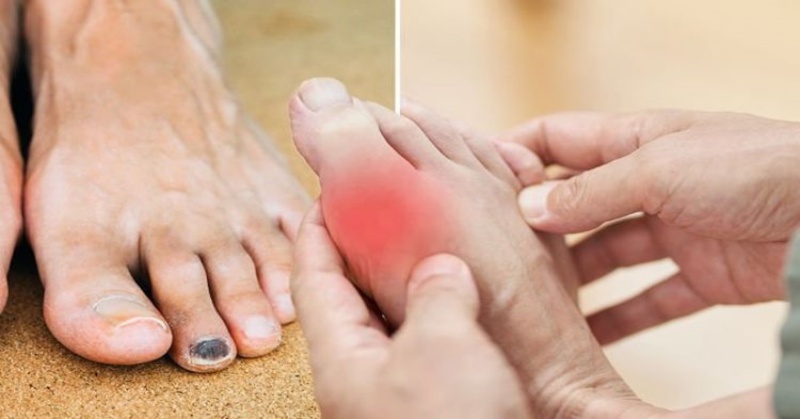
Cholesterol is a wax-like, fat-based substance that is naturally produced by the liver and plays a vital role in many essential bodily functions. It contributes to the formation of cell membranes, supports the production of vitamin D, and helps maintain hormonal balance. Without cholesterol, the body would struggle to perform several core biological processes that are necessary for long-term health and stability.
Because cholesterol does not dissolve in water, it cannot travel through the bloodstream on its own. To move through the body, it relies on special carriers known as lipoproteins. These particles transport cholesterol by binding it to specific proteins located on their surface, allowing it to circulate efficiently through the blood and reach various organs and tissues.
Problems begin to develop when cholesterol binds with lipoproteins that contain a high amount of fat and a lower proportion of protein. This combination forms Low-Density Lipoproteins, commonly referred to as LDL cholesterol. Elevated LDL levels are often associated with dietary habits that include excessive unhealthy fats, along with limited physical activity over extended periods of time.
When LDL cholesterol levels remain elevated, these particles can gradually accumulate along the inner walls of the arteries. Over time, this buildup narrows the blood vessels and reduces their flexibility. As blood flow becomes restricted, the risk of serious cardiovascular complications increases. This process may eventually contribute to heart attacks, strokes, and other circulation-related conditions.
How Symptoms Can Reflect in the Legs
One of the most concerning aspects of cholesterol buildup is that it develops silently. In many cases, there are no noticeable warning signs until cholesterol levels reach a stage where they begin to interfere with normal bodily functions. For this reason, routine blood tests remain the most reliable method for identifying elevated cholesterol levels and addressing them early.
As cholesterol continues to rise, it can influence circulation throughout the body, including the lower extremities. Reduced blood flow may affect the Achilles tendon and surrounding tissues in the legs, leading to physical changes that become visible over time. Paying attention to these signals can be helpful in recognizing potential issues.
Leg Pain
High cholesterol can limit the flow of oxygen-rich blood to the legs, particularly to the lower areas of the feet. This restriction may cause the legs to feel heavy, weak, or unusually tired during everyday activities. Many individuals with elevated cholesterol levels notice discomfort or pain when walking, even over short distances, which can make routine movement more difficult.
As circulation becomes less efficient, muscles may not receive the oxygen they need to function properly. This can result in aching sensations or sharp pains that appear during movement and improve with rest.
Leg Cramps
Recurring leg cramps, especially near the ankles and calves, may signal circulation problems linked to cholesterol buildup. These cramps often appear during periods of rest, including nighttime hours, when blood flow naturally slows.
Some people find temporary relief by sitting up and allowing their legs to hang downward, which can encourage blood movement toward the feet. Persistent cramping, however, should be discussed with a medical professional for further evaluation.
Changes in Skin and Nail Color
When blood circulation is compromised, the skin and nails may begin to show visible changes. Reduced delivery of oxygen and nutrients can cause the skin on the lower feet to appear shiny or unusually pale. In some cases, the nails may grow thicker or develop a different texture.
These changes occur gradually and may go unnoticed at first. Over time, they can become more pronounced, indicating that the tissues are not receiving adequate nourishment.
Cold Feet
Consistently cold feet, regardless of the season, can also be linked to circulation issues caused by high cholesterol. This sensation may persist even in warm environments, creating discomfort throughout the day.
Cold feet can be an indicator of Peripheral Artery Disease (PAD), a condition associated with restricted blood flow to the limbs. Anyone experiencing this symptom on a regular basis should consult a healthcare provider for proper assessment and guidance.