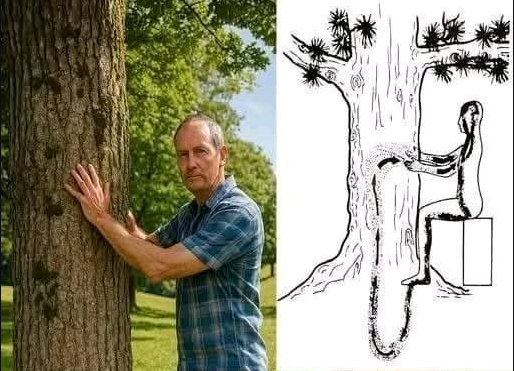
This 15-minute grounding ritual offers a calm, nature-centered way to reconnect your body with the steady rhythm of the earth through direct physical contact. The practice is simple yet intentional: standing barefoot on natural ground while placing your hands gently against the bark of a tree. Rooted in ancient traditions and increasingly discussed in modern wellness circles, this ritual blends earthing with mindful connection to trees. Together, these elements are believed to support relaxation, emotional balance, and a renewed sense of presence.
At its core, the ritual invites stillness. Trees have long been symbols of stability and endurance, with roots that reach deep into the soil and branches that adapt to wind, weather, and time. By standing barefoot on the ground, the body comes into contact with the earth’s natural surface, which many wellness practitioners associate with grounding and nervous system regulation. Adding touch through the hands creates a full-body connection that encourages awareness and calm rather than distraction.
This practice does not rely on equipment, schedules, or specialized environments. It asks for attention, patience, and openness. The ritual is often described as a way to step out of constant stimulation and return to a slower, more natural pace. Spending even a short amount of time outdoors in this way can help create a mental pause, allowing thoughts to settle and breathing to deepen naturally.
What You Will Need
You only need a few basic elements, most of which are readily available in outdoor spaces:
A mature tree with visible bark and a solid trunk. Many people feel drawn to oak, neem, banyan, or other long-standing trees, though any healthy tree can work.
A patch of natural ground such as grass, soil, sand, or packed earth. Hard or artificial surfaces should be avoided.
Bare feet to allow direct contact with the ground.
Fifteen minutes of uninterrupted time, free from notifications or obligations.
Optional items include a journal, a bottle of water, calming music played softly nearby, or a drop of lavender or sandalwood essential oil for grounding scent.
How to Perform the Ritual
Begin by choosing a quiet outdoor location where you feel safe and undisturbed. Remove your shoes and socks, and stand with both feet resting naturally on the ground. Allow your weight to distribute evenly. Take a few slow breaths, noticing the temperature and texture beneath your feet.
Next, approach the tree and place one or both hands on the bark. Your touch should be gentle rather than gripping. Some people prefer to rest their palms flat, while others lightly wrap their fingers around the trunk. Let your arms relax and your shoulders soften.
Close your eyes if that feels comfortable. Focus on breathing steadily, inhaling through the nose and exhaling slowly through the mouth. Imagine tension traveling downward, leaving the body through the feet and hands. Thoughts may arise, but the goal is not to control them—only to notice and return attention to breath and sensation.
Remain in this position for approximately fifteen minutes. If your mind wanders, gently redirect focus to physical contact: the firmness of the tree, the grounding sensation under your feet, and the rhythm of your breath.
Potential Benefits
Many people report feeling calmer and more centered after this ritual. Time spent in natural environments is often associated with reduced mental fatigue and improved mood. The act of slowing down, breathing intentionally, and limiting stimulation can support nervous system balance.
Some practitioners believe this ritual may contribute to emotional clarity, improved sleep routines, and a greater sense of stability during stressful periods. Whether viewed through a spiritual or physiological lens, the experience encourages mindfulness and body awareness.
Helpful Tips and Precautions
Choose clean, safe ground free from sharp objects.
Avoid practicing during extreme weather conditions.
If you feel lightheaded, sit or step away and drink water.
This ritual is a wellness practice, not a medical treatment.
Closing Reflection
This grounding ritual is less about achieving a specific outcome and more about creating space for connection. It reminds the body and mind of a slower rhythm that exists beyond screens and schedules. With consistency, it can become a meaningful pause in daily life—a moment where nature offers quiet support, and the body remembers how to rest, stand, and breathe with intention.