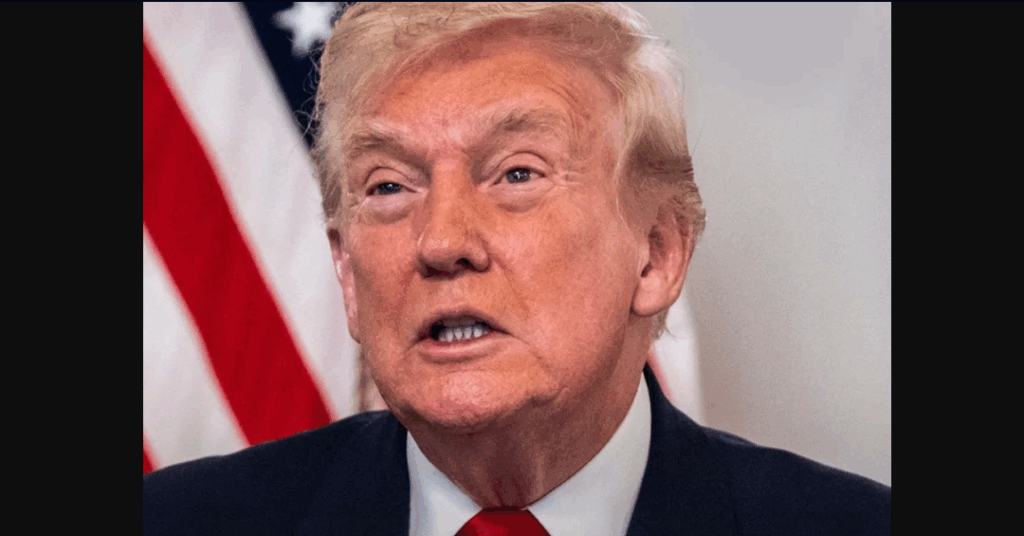
On a crisp Thanksgiving evening in late November 2025, President Donald Trump shared a detailed message on his Truth Social platform. The post began with warm greetings to Americans across the nation, extending wishes for a peaceful holiday surrounded by family and tradition. As the message unfolded, it delved into discussions on immigration, national security, and community impacts, reflecting long-standing concerns from his administration.
The president highlighted recent events that had captured public attention, including a tragic shooting in Washington, D.C. This incident involved the loss of a young National Guard member and left another in critical condition. Authorities identified the suspect as Rahmanullah Lakanwal, an Afghan national who had entered the United States through established resettlement programs. Trump connected this event to broader conversations about entry protocols and the need for thorough evaluations of individuals arriving from overseas.
In the post, Trump expressed appreciation for citizens who value unity and shared his vision for strengthening the country’s borders. He described efforts to review and enhance systems that manage arrivals from various regions, emphasizing the importance of ensuring contributions align with American values and economic stability. The message included references to specific communities, such as Somali immigrants in Minnesota, noting their growing presence and the challenges some areas face in adapting to rapid changes.
Reflections on Community Growth and Local Leadership
Trump pointed to Minnesota as an example of state-level dynamics influenced by migration patterns. He observed that large numbers of Somali refugees had resettled there over the years, contributing to a diverse population in cities like Minneapolis. The president raised questions about integration, mentioning reports of increased activity in financial sectors and the need for local leaders to address emerging issues effectively.
Earlier that day, while speaking with reporters at his Mar-a-Lago residence in Florida, Trump commented on interactions between communities in Minnesota. He stated that Somali arrivals had brought various experiences to the state, and his administration was committed to supporting orderly processes for future entries. “We’re focusing on pathways that benefit everyone involved,” he remarked, underscoring a policy of selective acceptance based on verified backgrounds.
The discussion extended to state governance, where Trump critiqued Minnesota Governor Tim Walz’s approach to these matters. He described Walz’s handling of local concerns as insufficient, attributing it to a combination of caution and limited action. This portion of the message aimed to highlight perceived gaps in addressing resident needs during periods of demographic shifts.
Governor Walz quickly addressed the comments on his X account, sharing the post with a note about recent medical evaluations: “Release the MRI results.” This response alluded to Trump’s own disclosure of undergoing an MRI scan in the preceding weeks, adding a layer of personal exchange to the public dialogue. Walz’s office later emphasized ongoing efforts to foster inclusive communities in Minnesota, where Somali Americans have established businesses, schools, and cultural centers that enrich daily life.
Engagement with National Representatives and Historical Contexts
The Thanksgiving message also touched on federal figures from Minnesota, including Representative Ilhan Omar. Trump referred to Omar, who was born in Somalia and has served in Congress for over a decade, as a prominent voice in national debates. He commented on her background and public appearances, noting her traditional attire and her advocacy for policies affecting her home state and origin country.
Omar, representing Minnesota’s 5th Congressional District, has long championed refugee rights and economic opportunities for newcomers. In response to the post, her spokesperson highlighted her commitment to bridging divides, stating that discussions like these offer chances to explore solutions collaboratively. Omar’s work includes sponsoring legislation to support asylum seekers and improve vetting standards, drawing from her own journey of resettlement after fleeing conflict in the 1990s.
Trump’s remarks about Somalia described it as a nation grappling with instability, lacking robust infrastructure in areas like education and law enforcement. He connected these observations to the broader theme of migration, suggesting that origins influence the preparedness of individuals for life in the U.S. This perspective aligns with his administration’s focus on prioritizing entrants from stable environments to maintain societal harmony.
The post further examined the case of Lakanwal, linking it to immigration decisions made in recent years. Reports indicated that Lakanwal applied for asylum in late 2024 and received approval in April 2025, following standard reviews by federal agencies. Despite mentions from officials about prior vetting under previous administrations, Trump stressed the importance of ongoing scrutiny to prevent risks. A reporter’s question about the approval timeline prompted a firm reply from the president, who called the inquiry misguided and reaffirmed his dedication to protective measures.
Proposals for Policy Adjustments and Security Enhancements
Central to the message was Trump’s outline for immigration reforms, including a proposed suspension of entries from developing nations. He advocated for a temporary halt to allow time for comprehensive system overhauls, aiming to process backlogs and refine criteria for admissibility. This approach, he argued, would enable the U.S. to absorb arrivals more sustainably, reducing strains on public resources like healthcare and housing.
Trump elaborated that many migrants originate from places marked by economic hardship or institutional challenges, potentially leading to reliance on support programs upon arrival. To counter this, he proposed deporting individuals identified as security concerns, public burdens, or those whose backgrounds may not align with cultural norms. The term “reverse migration” appeared as a strategy to encourage returns for those not fully integrated, framing it as a pathway to resolution.
On Thanksgiving Day, Trump directed a thorough audit of green card statuses for holders from designated high-concern countries. Joseph Edlow, Director of U.S. Citizenship and Immigration Services, confirmed the initiative would involve detailed assessments to verify eligibility and compliance. Edlow emphasized that public safety remains a core priority, with resources allocated to expedite the process while upholding due diligence.
This review builds on earlier actions, such as pausing applications from Afghan nationals in the immediate aftermath of the D.C. incident. Federal teams coordinated with local law enforcement to trace Lakanwal’s path, revealing his prior collaboration with U.S. partners in Afghanistan through specialized units. Investigations continue to uncover motives, with charges pending for assault and potential murder as outcomes evolve.
Broader Implications for Holiday Reflections and National Unity
As the post concluded, Trump reiterated festive sentiments, wishing prosperity to supporters of American ideals. He extended exclusions to those engaged in harmful activities, signaling a resolve to preserve core principles. “You won’t be here for long,” he wrote, positioning the message as a call to action amid seasonal gratitude.
The Thanksgiving address resonated across media outlets, prompting analyses from experts in policy and sociology. Organizations like the Advocates for Human Rights noted Minnesota’s Somali community, estimated at around 500 under protected status, contributes significantly through entrepreneurship and civic participation. Studies, including those from the Annual Review of Criminology, indicate immigrants often engage less in criminal activities compared to native-born populations, challenging some narratives on societal impacts.
Public figures and advocacy groups urged balanced approaches, advocating for expanded vetting alongside humanitarian considerations. Afghan Americans, many resettled via programs like Operation Allies Welcome, expressed sorrow over the shooting and called for nuanced reforms that honor alliances forged in conflict zones. Over 76,000 Afghans arrived through such efforts since 2021, with many serving in essential roles today.
In Minnesota, the Somali diaspora has woven into the fabric of daily life, operating markets, driving services, and participating in elections. Leaders like State Senator Omar Fateh, who recently vied for mayor of Minneapolis, exemplify this integration. Despite occasional tensions, community programs foster dialogue, promoting mutual understanding in diverse neighborhoods.
Trump’s rhetoric, delivered during a time of family gatherings and reflection, underscores persistent debates on identity and opportunity in America. As the holiday season progresses, conversations continue on platforms like X and in town halls, where residents share stories of resilience and aspiration. These exchanges highlight the nation’s capacity for evolution, balancing security with the welcoming spirit that has defined its history.
The D.C. shooting, occurring blocks from iconic landmarks, serves as a somber reminder of vulnerabilities in urban centers. With one victim, Specialist Sarah Beckstrom, laid to rest and her colleague Andrew Wolfe recovering, tributes pour in from fellow service members. Beckstrom, 20, from West Virginia, represented the dedication of National Guard units deployed for public safety initiatives.
Federal responses include bolstering troop presence in the capital, with 500 additional personnel en route. This escalation aims to deter threats while investigations by the FBI and local agencies probe deeper into the suspect’s circumstances. Lakanwal, 29, faces serious charges, his case spotlighting complexities in asylum processes that span administrations.
Looking ahead, Trump’s outlined policies invite scrutiny from Congress and courts, potentially shaping legislative agendas in 2026. Bipartisan voices advocate for investments in border technology and international partnerships to address root causes of migration, such as instability in origin countries. Educational campaigns on integration could further support newcomers, enhancing community cohesion.
Thanksgiving traditions, from shared meals to charitable acts, offer moments to reaffirm shared values. Amid policy discussions, families across the U.S. celebrate heritage, including those with immigrant roots who trace lineages to Ellis Island or modern ports of entry. This mosaic enriches holidays, blending cuisines, languages, and customs into vibrant tapestries.
As 2025 draws to a close, the president’s message lingers in public discourse, encouraging reflection on progress and challenges. It prompts questions about how to honor sacrifices—like those of Beckstrom—while extending opportunities to global neighbors. In this spirit, many look toward collaborative solutions that strengthen the union, ensuring safety and prosperity for generations to come.