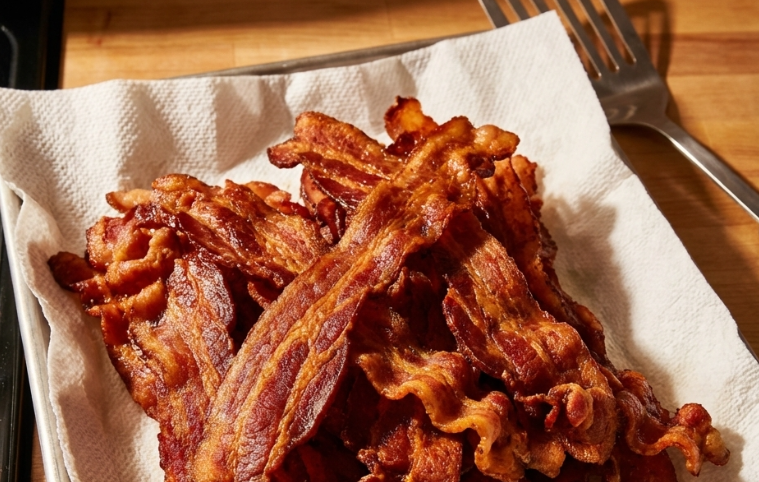
There is something deeply satisfying about bacon that reaches the table cooked properly. Crisp edges, rich color, and a savory aroma can instantly elevate a meal. Bacon prepared with care offers flavor without excessive grease and texture without bitterness. Yet many people find bacon unpredictable in the kitchen. One moment it appears undercooked, and the next it turns dark or uneven. Splattering oil, constant flipping, and standing over a hot pan can turn a simple ingredient into an annoying task. Fortunately, there is a dependable approach that removes stress, delivers consistent results, and keeps the cooking space far cleaner.
This method relies on the oven rather than the stovetop. Cooking bacon in the oven creates an environment where heat surrounds each strip evenly. That steady heat allows the fat to render slowly, producing crisp bacon with balanced texture. The process begins by preheating the oven to 400°F (200°C). This temperature supports even cooking without rushing the process. A rimmed baking sheet is essential, as it captures rendered fat and prevents spills. Lining the sheet with foil or parchment paper makes cleanup simple and helps maintain a tidy kitchen.
For those who enjoy extra crisp bacon, placing a metal rack on top of the lined baking sheet is helpful. The rack allows hot air to circulate beneath the strips, encouraging uniform browning. Bacon placed directly on the sheet still cooks beautifully, though the rack creates a slightly firmer texture. Both options work well, depending on preference and available tools.
Once the setup is ready, arrange the bacon strips in a single layer. Each piece should rest flat without overlapping. Proper spacing ensures that every strip cooks at the same rate and develops an even finish. Overcrowding can lead to uneven texture, so it is worth taking a moment to arrange them carefully. Regular-cut bacon typically reaches ideal crispness in about 15 to 18 minutes. Thicker slices benefit from additional time, often closer to 20 to 24 minutes. Bacon brands vary, so visual cues matter more than the clock during the final minutes.
As the bacon cooks, the oven does the work without constant supervision. There is no need to flip the strips or guard the pan. Near the end of the cooking time, the bacon shifts from pale to golden brown. This is the moment to watch closely. Removing it at the right stage ensures a satisfying crunch without excessive dryness. Once out of the oven, transferring the strips to paper towels allows excess fat to drain and the texture to set as the bacon cools slightly.
Oven-prepared bacon offers flexibility that stovetop methods rarely match. Seasonings can be added before cooking to create new flavor profiles. A light sprinkle of black pepper enhances the savory notes. Smoked paprika adds depth and warmth. Chili flakes introduce a gentle kick. For those who enjoy sweetness, a thin brush of maple syrup or a dusting of brown sugar creates a caramelized finish that pairs well with breakfast dishes and sandwiches. Each variation uses the same method, making it easy to adjust flavors without changing the process.
Another advantage of this approach is efficiency. Cooking multiple strips at once saves time, especially when preparing meals for family or guests. The oven accommodates large batches without crowding, and the results remain consistent across the pan. The rendered bacon fat collected on the sheet can be strained and stored for later use, adding value to the process and reducing waste.
Cleanliness is another benefit worth noting. Splattering oil often coats stovetops, counters, and nearby surfaces during pan frying. Oven cooking contains the mess in one place, simplifying cleanup and making the experience more enjoyable. This method suits busy mornings, weekend brunches, and meal preparation alike.
Perfectly cooked bacon does not require constant attention or specialized skills. With the oven method, it becomes a reliable staple that fits seamlessly into daily cooking. Whether served alongside eggs, layered into sandwiches, crumbled over salads, or folded into recipes, bacon prepared this way delivers dependable texture and flavor every time.
By adopting this approach, home cooks gain confidence and consistency. The process is straightforward, adaptable, and respectful of time and space. Bacon becomes a pleasure to prepare rather than a chore. With careful setup, proper spacing, and attentive timing, achieving crisp, golden bacon becomes an easy and repeatable success.