Grief has a way of entering quietly, settling into the spaces between words and glances. When my father passed away, our family moved through those first days in a haze of muted conversations and unspoken emotions.
The reading of his will was meant to provide clarity, yet it added another layer of heaviness. To the surprise of everyone present, my father had not left any financial assets to my stepmother.
The room filled with subtle reactions—raised eyebrows, exchanged looks, and assumptions that lingered without being voiced aloud. She did not respond to any of it. She sat with composure, her posture steady, her expression calm, offering no explanation and asking for nothing in return.
Once the formalities ended and people began to leave, a quiet reality emerged. She had nowhere immediate to go. Conversations with my siblings followed quickly, filled with caution and warnings.
They told me I was taking on a responsibility that would bring complications. They spoke about regret, inconvenience, and emotional burden. I listened, yet something inside me resisted their certainty. Without making a speech or seeking approval, I invited her to stay with me. It was not driven by obligation or principle. It felt like a natural response to a moment that required care rather than calculation.
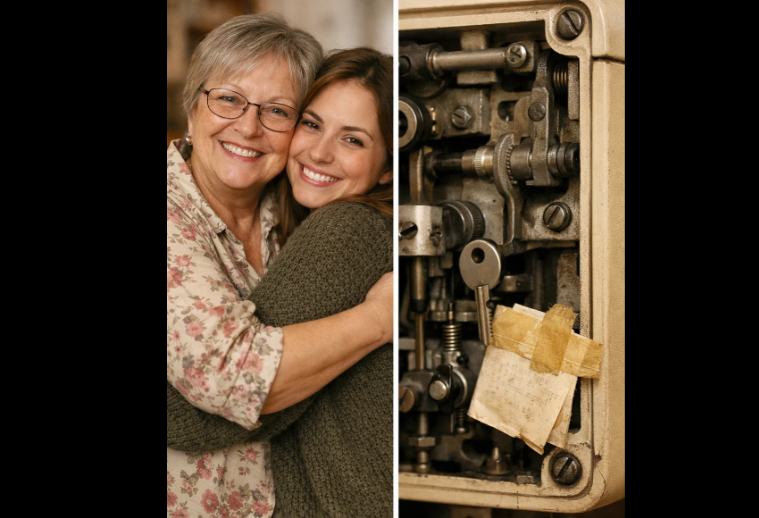
Living together introduced a rhythm I had not expected. She approached each day with intention and grace. Mornings often began with her sitting near the window, a warm cup of tea in hand, watching the light change across the room.
She spent time tending small plants, moving carefully and patiently, as though nurturing life was second nature to her. Evenings were quiet, filled with reading, soft music, or shared meals that felt grounding in their simplicity. She spoke rarely about the past and never questioned my father’s decisions. There was no bitterness in her words, no attempt to justify or explain what had happened.
Her presence gradually shifted the atmosphere of my home. She listened attentively, never interrupting, offering thoughtful responses rather than advice. Meals were prepared with care, familiar dishes that carried comfort without extravagance. She treated my space with respect, always mindful, always grateful. Over time, I became aware of how incomplete the family’s understanding of her had been. So much judgment had been built on assumptions rather than experience. Living alongside her revealed how easily people fill gaps in knowledge with conclusions that lack compassion.
Two years passed quietly. When she died, it was peaceful, though the loss felt heavier than I anticipated. As I went through her belongings, each item carried a sense of presence. Clothes were folded with precision, drawers arranged thoughtfully, small personal items placed where they belonged. While cleaning beneath her bed, I noticed a small shoebox tucked carefully out of view. My name was written on the lid in her familiar handwriting. The sight of it made me pause.
Inside, I found letters, documents, and carefully kept mementos. Everything was organized, intentional. As I read her words, my hands trembled. She wrote about gratitude, about how being welcomed into my home had restored her sense of belonging during a time when she felt invisible. She shared that she had quietly saved money over the years, setting aside small amounts whenever possible. There was no drama in her explanation, only clarity and purpose.
The documents revealed accounts opened in my name, planned long before illness or decline. In her final letter, she explained that my father’s will reflected his own choices, not her hopes. She wrote that she never wanted resentment to shape the family’s future. Kindness, she believed, should not require justification. She spoke about love as something that often works silently, without recognition or expectation.
Sitting there, I understood something my siblings never had the chance to see. Compassion does not disappear when given freely. It transforms, often returning in ways that cannot be predicted. What she left behind extended beyond finances. It was a lesson carried forward: empathy is never wasted, and generosity rooted in sincerity leaves a lasting imprint. Her true inheritance was the quiet reminder that choosing care over judgment has a way of shaping lives long after words are gone.